For many tradespeople and businesses, a van is much more than a way of getting from one job to the next. It can carry thousands of pounds worth of tools, equipment and materials, while the vehicle itself may be essential to keeping the business running.
That makes van security an important consideration for anyone who owns, operates or leases a commercial vehicle.
From additional locks and alarms to secure tool storage, vehicle tracking and safer parking, there are several ways to make a van more difficult to steal or break into. Some measures are relatively simple, while others can provide an additional layer of protection for both the vehicle and its contents.
The right approach will depend on the type of van, how it is used and what is carried inside it. However, taking a few practical precautions can reduce the opportunities available to thieves and make it easier to recover a vehicle or its contents if a theft does occur.
Why Is Van Security So Important?
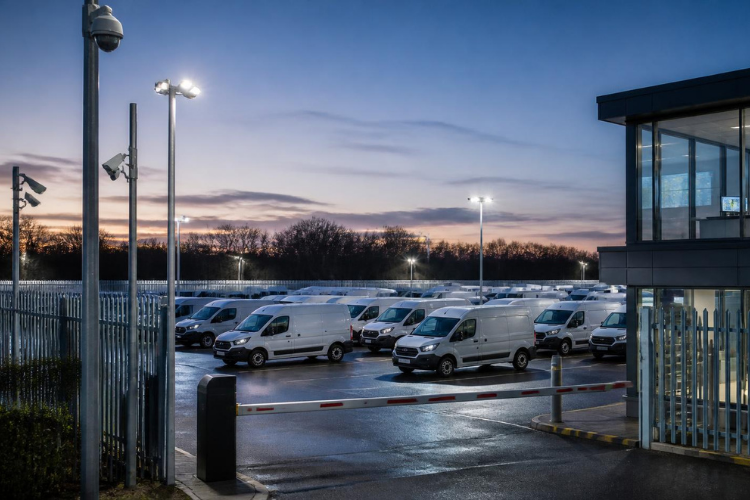
Vans can be attractive targets because they often contain valuable tools, equipment and materials that can be quickly removed and sold.
For a tradesperson, the consequences can extend well beyond the cost of repairing a damaged door or replacing stolen equipment. Losing essential tools could mean cancelling jobs, delaying projects and losing income while replacements are sourced.
There is also the risk of the van itself being stolen. Modern vehicles have sophisticated security systems, but criminals can still target weaknesses involving keys, electronic locking systems, physical door security and vehicle access points.
Our guide to the most secure vans in the UK looks at vehicle security from the perspective of choosing the right van. Recent theft figures are also worth considering, including our report on the Ford Transit being among the most stolen vans in the UK in 2026.
For businesses operating several vehicles, security becomes even more important. A stolen van can mean additional costs, disruption to employees and delays for customers.
This is one reason why security should be considered when choosing the right business van to lease, alongside factors such as payload, load space, fuel economy and running costs.
How To Improve Van Security
There is no single security device that will make a van completely theft-proof. Instead, the best approach is to combine several layers of protection.
1. Always Check That Your Van Is Locked
It sounds obvious, but one of the simplest ways to improve van security is to make sure the vehicle is actually locked before walking away.
Don’t rely solely on pressing the button on your key fob. Physically check the doors, particularly if you are parking somewhere unfamiliar.
Make it part of your normal routine:
- Close all doors and windows.
- Lock the van before walking away.
- Physically check that the doors are secure.
- Make sure the alarm and immobiliser are activated.
- Never leave the keys inside an unattended van.
It only takes a few seconds, but it could prevent an opportunistic theft.
2. Consider Additional Van Locks
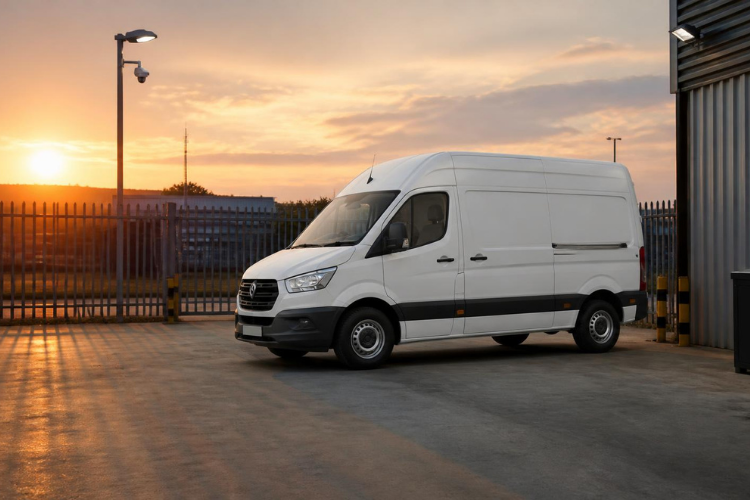
Factory-fitted locks provide an important first line of defence, but additional physical security can make it significantly harder for someone to gain access to the load area.
Depending on the vehicle and how it is used, options can include deadlocks, slamlocks, lock protection and additional security plates.
A deadlock provides an additional locking mechanism that is operated separately from the van’s standard central locking system.
A slamlock automatically locks the door when it is closed, which can be particularly useful for vehicles that are constantly being loaded and unloaded during the working day.
For businesses and tradespeople carrying valuable equipment, additional locks can provide an important second layer of protection beyond the van’s standard security system. Dedicated van security gates may also help provide an additional barrier around the load area.
However, the right security equipment will depend on the van and its use. It is worth checking compatibility with the vehicle and using a reputable specialist installer.
3. Protect Tools With Internal Security
Adding stronger locks to the outside of a van is only part of the solution.
If a thief manages to get inside, you want another barrier between them and your most valuable equipment.
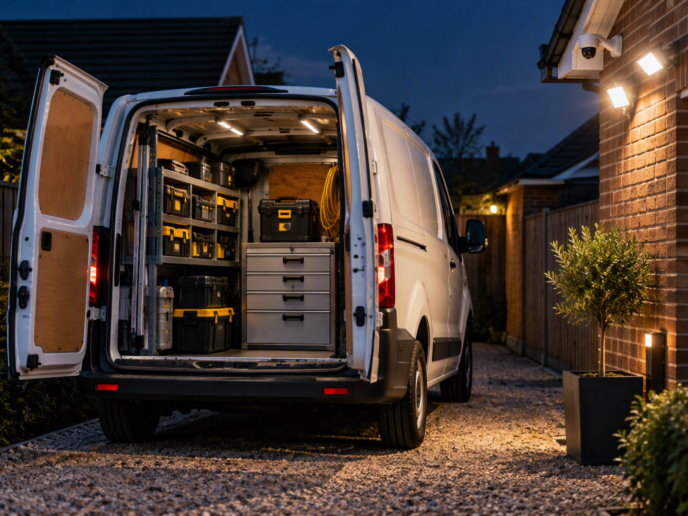
Lockable toolboxes, van vaults, internal cages and secure storage systems can provide an additional layer of protection. Purpose-designed van storage systems and van shelving and racking can help keep equipment organised and make it easier to secure valuable items properly.
This is particularly important for tradespeople who regularly carry expensive power tools, diagnostic equipment or specialist machinery.
If equipment has to remain inside the vehicle, storing it in properly secured internal storage can make it more difficult to remove quickly.
4. Don’t Leave Valuable Tools In Your Van Overnight
The most effective way to protect valuable tools from overnight theft is simple: take them out of the van.
That isn’t always practical, particularly for tradespeople carrying large quantities of equipment, but removing the most expensive and portable items can substantially reduce what a thief can take.
If tools have to remain inside the vehicle, consider using a secure van vault or lockable internal storage system and make sure it is firmly secured to the vehicle.
It is also worth thinking about what can be seen through the van’s windows. Expensive equipment left on display can make a vehicle more attractive to thieves.
5. Mark Your Tools And Keep A Record
Security isn’t only about stopping a thief from taking your equipment. You should also make it easier to identify and recover your property if it is stolen.
Mark valuable tools with your name, company details or another suitable identification method, and keep a record of serial numbers, photographs and other identifying details.
For a business, it is worth maintaining a simple inventory showing:
- Tool or equipment description.
- Make and model.
- Serial number.
- Photograph.
- Unique identifying marks.
- Approximate purchase date and value.
Keep a copy somewhere other than the van itself.
For tradespeople, this can also make dealing with an insurance claim considerably easier if tools or equipment are stolen.
6. Consider A Van Alarm And Immobiliser
An alarm can provide an important additional layer of protection by drawing attention to an attempted break-in.
An immobiliser can also help prevent a stolen vehicle from being driven away.
When choosing a new van, it is worth considering what security equipment is fitted as standard and whether additional protection would be appropriate for the way you use the vehicle. Again, our guide to the most secure vans in the UK can help inform that decision.
For example, a van regularly carrying expensive tools may warrant a more comprehensive security setup than a vehicle used primarily for transporting lightweight materials.
7. Consider A Vehicle Tracker
A tracker won’t necessarily prevent a thief from breaking into your van, but it can help locate the vehicle if it is stolen.
GPS tracking systems can provide information about the vehicle’s location and, depending on the system, may provide additional alerts or security features.
For a business, the potential benefit isn’t limited to recovering the vehicle. Getting a stolen van back quickly could also reduce disruption to employees, customers and ongoing work.
If you operate several vehicles, tracking can also form part of a wider fleet management solution, helping you oversee vehicles and manage day-to-day operations.
8. Protect The Van’s Diagnostic Port
Modern vans contain sophisticated electronic systems that can be targeted by criminals.
The OBD (On-Board Diagnostics) port can potentially be used to access vehicle systems and, on some vehicles, assist with programming additional keys.
An OBD security device or lockable cover can provide another physical barrier against unauthorised access.
It is also worth thinking about how vehicle keys are stored when the van is parked at home or at business premises. Keeping keys away from doors and windows and following a consistent key-control routine can help reduce opportunities for theft. Our guide to a van key backup strategy provides further advice on managing van keys.
This is another example of why van security should be approached as a combination of different measures rather than relying on one lock or device.
9. Think Carefully About Where You Park
Where you leave your van can make a significant difference.
If possible, park in a well-lit, busy area with CCTV or other security measures. At home, using a garage is preferable where practical. If you don’t have one, consider security lighting and positioning the van somewhere that makes access to the rear or side doors more difficult.
If you have to park overnight, think about what a thief can see and access from outside the vehicle.
Don’t make your van an obvious target.
Where possible, avoid leaving expensive tools or equipment visible through windows, and consider whether the location provides easy access for someone attempting to break into the vehicle.
For businesses operating several vans, secure overnight parking should also form part of the wider fleet security strategy.
Van Security For Tradespeople
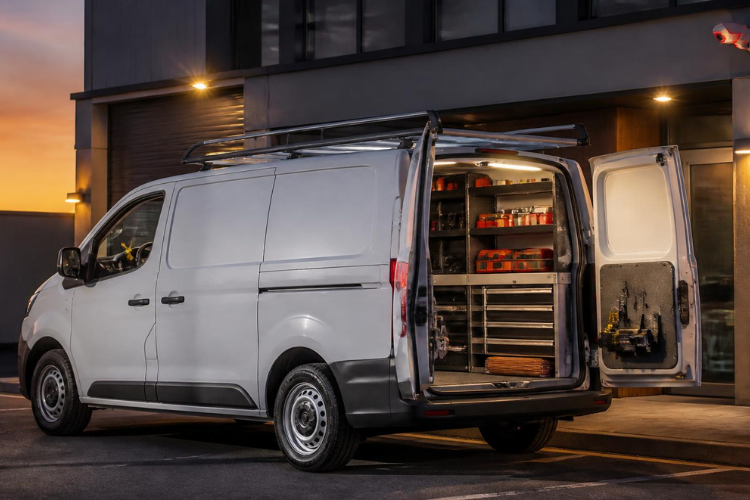
For tradespeople, van security can be particularly important because the vehicle may contain almost everything needed to carry out a day’s work.
An electrician could have expensive power tools, testing equipment and cabling in the load area, while a plumber may carry specialist tools, fittings and materials. Builders, joiners, landscapers and mobile mechanics can also have substantial amounts of equipment in their vans.
This means van security should be considered alongside the type of work the vehicle is being used for.
If you are choosing a van for your trade, think about the security requirements before deciding which vehicle is right for you. Our guides to the best vans for tradespeople and choosing the right van can help you compare vehicles against your working requirements.
A larger van may provide more space for equipment, but that can also mean more valuable contents are being carried.
Electricians And Plumbers
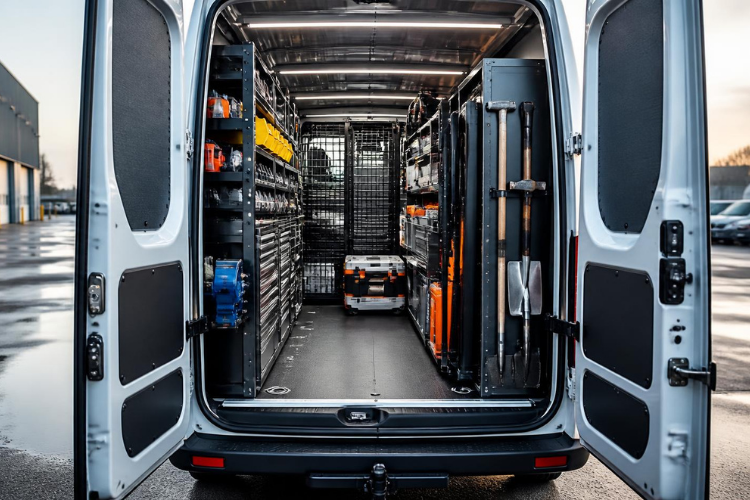
Electricians and plumbers can carry a significant amount of valuable equipment, often including cordless power tools, testing equipment and specialist machinery.
Keeping tools organised and secured inside the load area can make it harder for a thief to remove equipment quickly.
A lockable tool storage system can be particularly useful, while additional van locks can provide another barrier against access to the load area.
For more trade-specific vehicle advice, see our guides to the best vans for electricians and best vans for plumbers.
Builders And Joiners
Builders and joiners may need to carry larger tools and equipment that cannot easily be removed from the vehicle at every stop.
For these users, internal storage, secure toolboxes and physical separation between the cab and load area can all form part of a wider security strategy.
It is also worth considering how much equipment needs to be carried overnight. If a particular item is not required until the following day, removing it from the van can reduce the potential value of the vehicle’s contents.
Our guides to the best vans for builders and best vans for joiners and carpenters cover the different requirements these trades may have when choosing a commercial vehicle.
Landscapers And Mobile Mechanics
Landscapers and mobile mechanics can face additional challenges because specialist equipment can be bulky, heavy or expensive.
A well-organised load area can help here. Equipment should be secured so that it cannot simply be lifted out of the vehicle, while valuable portable tools should ideally be removed when the van is parked overnight.
For mobile mechanics in particular, diagnostic equipment can be expensive and relatively easy to carry away, making secure storage particularly important.
Read our guides to the best vans for landscapers and best vans for mobile mechanics for more advice on choosing a vehicle for these types of work.
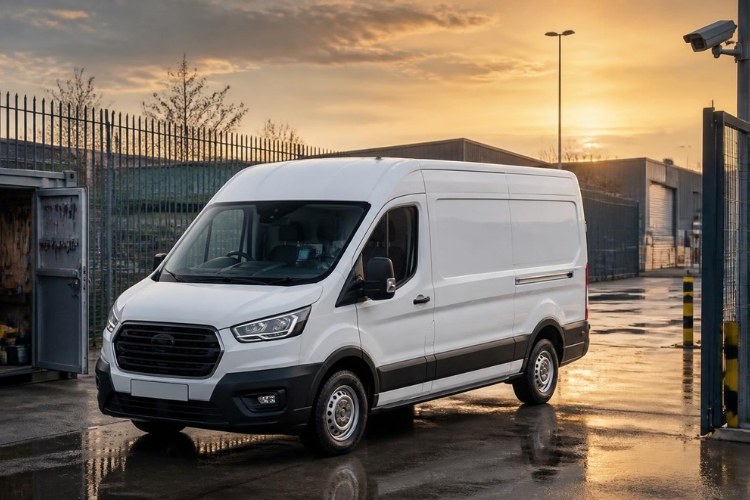
Van Security For Business Fleets
Van security becomes even more important when a business operates multiple vehicles.
A company with several vans may have different drivers using the vehicles throughout the week, meaning security cannot rely entirely on one person’s habits.
Instead, businesses should consider introducing simple and consistent security procedures across the fleet.
This could include:
- Locking vehicles whenever they are unattended.
- Removing valuable tools wherever practical.
- Checking that alarms and immobilisers are activated.
- Using secure overnight parking.
- Keeping an inventory of tools and equipment.
- Recording vehicle and equipment identification numbers.
- Using vehicle tracking where appropriate.
- Making drivers aware of the company’s security procedures.
Businesses can incorporate these measures into a wider fleet management solution. Regular fleet audits can also help businesses review how vehicles are being used and identify areas where procedures may need improving.
For companies managing a larger number of vehicles, fleet lifecycle management provides further context on managing vehicles throughout their working life.
How To Secure A Van At Home Overnight
Many vans spend the night parked outside the driver’s home, making residential security an important consideration.
If you have access to a secure garage or locked compound, this can provide an additional barrier between the van and potential thieves.
However, not every van can be parked indoors.
If your van has to remain outside, consider where it is positioned. A well-lit area close to the property can be preferable to an isolated location, while security lighting, CCTV and other physical security measures can provide additional deterrents.
Where practical, position the van so that access to the load doors is restricted. For example, parking close to a wall or another obstacle can make it more difficult for someone to work around the rear or side doors.
You should also avoid leaving valuable equipment on display.
The less attractive the contents of the van appear from outside, the better.
If you regularly leave the van parked at home overnight, it can also be worth reviewing your security arrangements periodically rather than assuming that the current setup is sufficient.
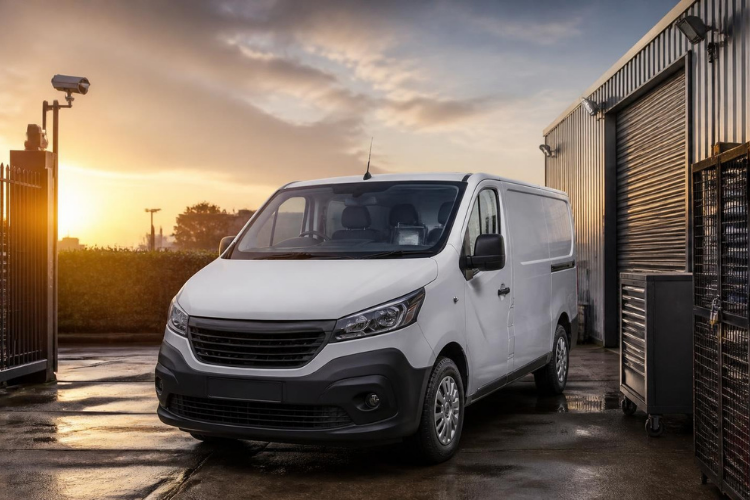
What Are The Best Van Security Devices?
There is no single “best” van security device because different vehicles and businesses have different requirements.
Instead, think of security as a series of layers.
Additional Locks
Additional locks can provide stronger physical protection for the van’s doors. Deadlocks and slamlocks are among the options commonly considered by commercial vehicle owners and operators.
Alarms
A suitable alarm can alert you and others nearby if someone attempts to gain unauthorised access to the vehicle.
Immobilisers
An immobiliser is designed to prevent the vehicle from being driven away without the correct authorisation.
Trackers
A tracker can help locate a vehicle if it is stolen and can therefore form an important part of a wider security strategy.
Steering Locks
A physical steering lock provides a visible additional security measure and can act as another barrier against vehicle theft.
Internal Tool Storage
Lockable internal storage can protect tools even if someone manages to gain access to the main load area. Dedicated van storage systems can help businesses organise equipment and secure valuable items.
CCTV And Security Lighting
These measures are particularly useful when the vehicle is regularly parked at business premises or at home overnight.
The most effective approach is usually to combine several appropriate measures rather than relying on one device.
Should You Consider Van Security When Leasing A Van?
Yes. Van security is something worth considering before you take delivery of your next van, rather than only after a theft or attempted break-in.
When choosing a van, think about how much equipment you will carry, where the vehicle will normally be parked and whether the manufacturer’s standard security equipment is sufficient for your requirements.
You may also need to consider whether additional security equipment can be fitted without affecting the terms of your lease or the manufacturer’s warranty. Check your agreement and speak to your leasing provider before making modifications.
If you are comparing different ways of financing a commercial vehicle, our van finance guide explains the main options available to businesses. For businesses that prefer to lease their vehicles, business contract hire can provide an alternative to purchasing a van outright.
It is also worth understanding the requirements around insuring a leased van and familiarising yourself with your leased vehicle driver responsibilities.
Security should therefore be considered as part of the overall vehicle selection process, alongside payload, load space, running costs, reliability and suitability for the work being carried out.
What To Do If Your Van Is Stolen
Despite taking sensible precautions, no security system can guarantee that a vehicle will never be stolen.
If your van does disappear, act quickly.
First, report the theft to the police and obtain the relevant crime reference number. You should then contact your insurer and, if the vehicle is leased or financed, notify the relevant leasing or finance provider.
If your van has a tracker fitted, contact the tracking provider immediately so that they can follow their recovery procedure.
You should also provide details of anything that was inside the vehicle, particularly valuable tools or equipment.
This is where keeping an accurate inventory becomes extremely useful. Having photographs, serial numbers, purchase information and identifying marks readily available can make it easier to provide the information required by your insurer and the police.
If the vehicle is leased, it is also important to understand what happens following theft under your particular agreement.
Van Security Checklist
Before leaving your van unattended, run through this simple checklist:
- Are all doors and windows closed?
- Is the van locked?
- Have you checked that the doors are actually secure?
- Is the alarm activated?
- Is the immobiliser active?
- Are valuable tools out of sight?
- Have you removed anything that does not need to remain in the van?
- Are tools secured inside internal storage?
- Is the van parked somewhere as secure as possible?
- If the van has a tracker, is it operating correctly?
For businesses, the same checklist can form part of a wider driver security procedure.
Making Van Security Part Of Your Daily Routine
Good van security does not necessarily require an expensive collection of security equipment.
Some of the most effective measures are simply good habits.
Lock the van every time you leave it. Avoid leaving valuable tools inside overnight where possible. Keep expensive equipment out of sight. Park somewhere secure and well lit. Record the details of your tools and equipment, and consider additional security measures where the value or nature of the van’s contents justifies them.
For tradespeople and businesses that depend on their vans every day, these relatively simple steps can help reduce the risks associated with vehicle theft and break-ins.
The best time to think about van security is before something happens.

Frequently Asked Questions About Van Security
The best approach is to use several layers of security rather than relying on one device. Additional locks, alarms, immobilisers, trackers and secure internal tool storage can all play a role.
It is also important to develop good security habits, such as locking the van whenever it is unattended, removing valuable tools overnight where possible and parking in a secure, well-lit location.
For many van owners and businesses, deadlocks can provide an additional layer of physical security beyond the vehicle’s standard locking system.
Whether they are worthwhile will depend on the van, how it is used and the value of the equipment being carried.
Slamlocks can be particularly useful for businesses where drivers are regularly getting in and out of the load area.
The door automatically locks when it is closed, reducing the risk of the driver accidentally leaving the vehicle unsecured.
However, they are not necessarily required for every van, so consider how the vehicle is used before choosing additional security equipment.
The simplest option is to remove valuable tools from the van whenever possible, particularly overnight.
Where tools need to remain in the vehicle, consider using lockable internal storage, tool vaults or secure containers. Keep expensive equipment out of sight and record serial numbers and photographs of valuable items.
Ideally, expensive and portable tools should be removed from the vehicle overnight.
If this isn’t practical, secure them inside properly fitted internal storage and make sure they cannot easily be seen from outside the van.
Tradespeople should also consider whether every item needs to remain in the vehicle overnight or whether some equipment can be taken indoors.
A tracker does not physically prevent someone from stealing a van, but it can help locate the vehicle if it is stolen.
For businesses, a tracker can therefore form part of a wider security strategy alongside locks, alarms and immobilisers.
Where possible, park the van in a garage, secure compound or well-lit location with CCTV.
If the vehicle has to remain outside, consider security lighting, CCTV and where the van is positioned. Avoid leaving valuable tools visible and, where practical, position the vehicle so access to the load doors is restricted.
Additional security equipment may be possible on a leased van, but you should check the terms of your agreement before making modifications.
Some equipment may require professional installation, and you should consider whether the modification could affect the vehicle’s warranty, lease agreement or condition requirements when the vehicle is returned.
If you’re considering leasing a van for your business, our business contract hire guide explains how this type of agreement works.
If your van has been broken into, report the incident to the police and contact your insurer as soon as possible.
Avoid disturbing the vehicle unnecessarily before any required evidence has been recorded. Make a note of what has been stolen and provide serial numbers, photographs and other identifying information where available.
If the van has a tracker or additional security system, contact the relevant provider immediately.
If your van is stolen, report it to the police immediately and contact your insurer.
If the vehicle is leased or financed, notify the relevant finance or leasing provider. You should also contact the tracking company if a tracker is fitted.
Having your vehicle registration, identifying information and details of any equipment inside the van readily available can help speed up the process.
 Call our expert team on