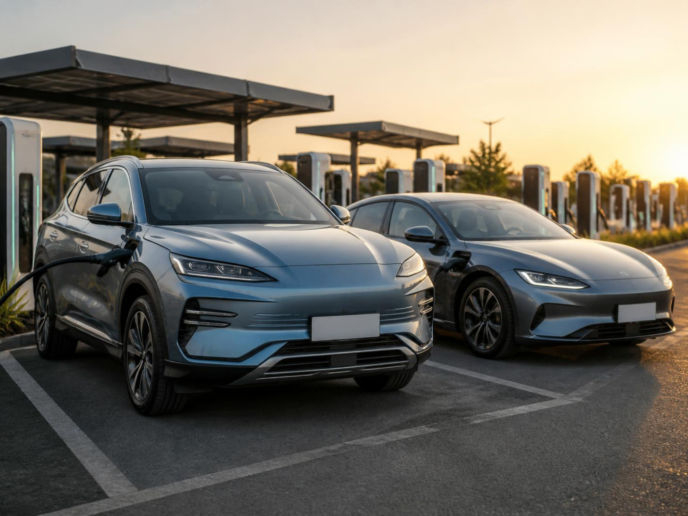
BYD is preparing to expand its ultra-fast Flash Charging network across the UK, with 300 chargers planned over the next 12 months. The rollout could provide a significant boost to the country’s growing electric vehicle charging infrastructure.
The first new Flash Charging site is expected to become operational in the coming weeks, with further locations planned across the UK.
The manufacturer says the 300 chargers will be installed at BYD and DENZA dealerships, motorway service areas, existing charging hubs and other high-traffic locations.
The technology is capable of delivering up to 1,500kW through a single connector, although only vehicles equipped with the necessary battery and charging technology can take advantage of the full charging speed.
For compatible vehicles, BYD claims the system can increase battery charge from 10% to 70% in around five minutes, while a 10% to 97% charge can take approximately nine minutes.
How BYD Flash Charging Works
The headline charging speeds are made possible by combining BYD’s Flash Charging system with its second-generation Blade Battery technology.
Rather than relying entirely on the electricity grid to provide the enormous amount of power required during a rapid charging session, each Flash charging unit incorporates battery storage.
The system uses two 185kWh batteries, giving each charger a combined storage capacity of 370kWh.
Electricity can be drawn from the grid and stored within the batteries before being delivered to a vehicle at a much higher rate during a charging session.
BYD says its charging system can draw electricity at between approximately 100kW and 560kW, depending on factors such as local infrastructure and demand.
This approach could help make the installation of extremely powerful charging infrastructure more practical in locations where the electricity grid would otherwise struggle to provide the required connection capacity.
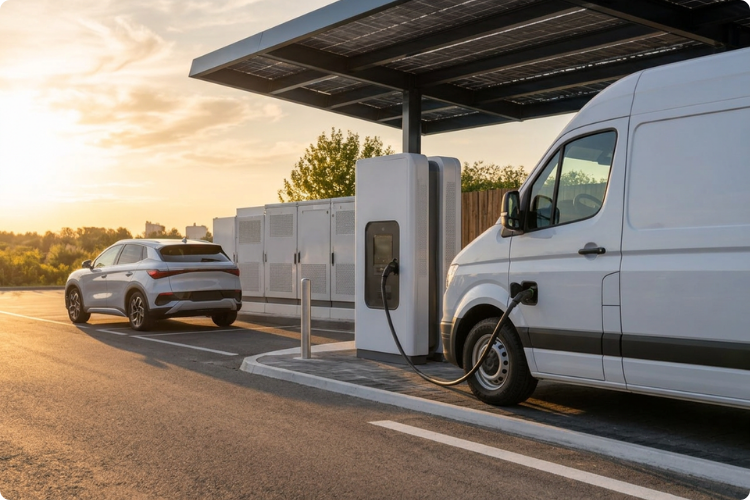
300 Flash Chargers Planned For The UK
BYD’s UK rollout will initially focus on locations where there is likely to be strong demand for rapid charging.
The manufacturer says its plans include BYD and DENZA dealerships in major towns and cities, alongside motorway service areas and existing charging hubs. Selected larger sites will also incorporate solar generation.
Solar panels installed on rooftops or carports can generate electricity, which is then stored within the Flash charger’s battery system and used when vehicles need to be charged.
Smaller urban sites without sufficient space for solar generation can instead use certified renewable electricity sourced from elsewhere.
Importantly, the network will not be restricted to BYD vehicles.
The chargers will be available to other electric vehicles fitted with a CCS2 charging connection. However, vehicles from other manufacturers will only charge at the maximum speed supported by their own battery and charging system.
That means an electric van with a lower maximum DC charging rate would not suddenly charge at 1,500kW simply because it is connected to a Flash charger.
What Could Flash Charging Mean For Electric Vans?
The expansion of ultra-fast charging infrastructure could become increasingly important as more businesses move towards electric vans and other zero-emission commercial vehicles.
Charging time remains an important consideration for businesses operating vehicles throughout the working day, making electric vehicle charging an important part of fleet planning. For a fleet that relies on vehicles completing multiple journeys, spending less time connected to a charger could potentially improve operational flexibility.
However, the benefits will depend heavily on the vehicle itself.
At present, BYD has not confirmed that its commercial vehicles will be able to use the full 1,500kW capability of Flash Charging. Its existing electric vans would still be limited by their own maximum DC charging capabilities.
Nevertheless, the wider rollout of high-power charging infrastructure is an important development for the commercial vehicle sector.
As more manufacturers introduce electric vans with faster charging capabilities, having access to suitable rapid charging locations could become an increasingly important part of fleet planning.
The development comes as electric van sales continue to grow, increasing the importance of having a charging network capable of supporting commercial operators.
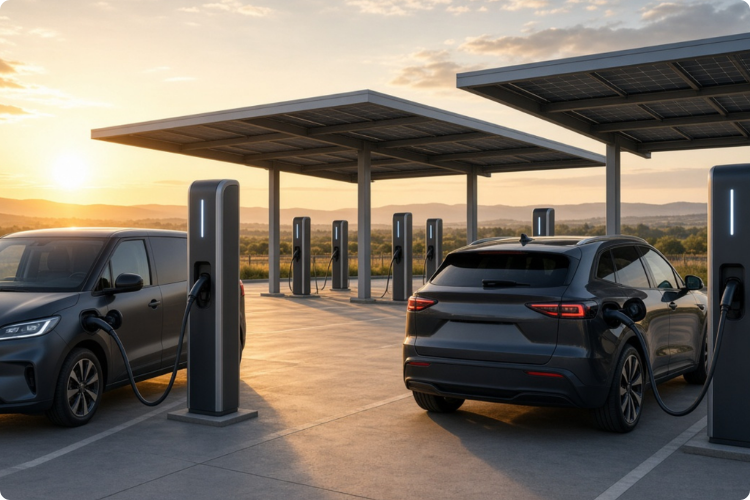
BYD Expanding Its UK Presence
The Flash Charging rollout also comes as BYD continues to expand its presence in the UK, with models such as the BYD Seal adding to the manufacturer’s growing range of electric vehicles available to UK customers.
BYD has now passed 100,000 UK new-car registrations, highlighting the rapid growth of the brand in the UK market. The manufacturer’s growing electric vehicle line-up includes models such as the BYD Seal, giving UK customers another fully electric option from the brand. The BYD Sealion 7 is another example of the company’s expanding electric range, offering a larger SUV option for customers considering a move to an EV.
BYD also continues to expand its presence in the commercial vehicle market, with models such as the BYD Shark giving UK businesses another option from the growing Chinese manufacturer.
The company’s wider commercial vehicle line-up also includes the electric E-Vali large van, which forms part of its growing European van offering.
The company’s growing presence means charging infrastructure could become an increasingly important part of its UK strategy, particularly as demand for electric cars, vans and other commercial vehicles continues to increase.
What Does Flash Charging Mean For The Future Of EVs?
The rollout of 300 Flash chargers represents another step forward for UK charging infrastructure.
Ultra-fast charging does not remove every challenge associated with electric vehicle ownership, and the maximum charging speed will always depend on the vehicle being used.
However, the development of charging systems capable of delivering significantly higher power could help reduce one of the biggest concerns surrounding EV adoption: the amount of time required to recharge.
For businesses considering an electric van, charging speed and access to suitable charging points are becoming just as important as range, payload and running costs.
As the UK’s charging network continues to expand, developments such as BYD Flash Charging could help make electric vehicles increasingly practical for both private motorists and commercial fleets.
 Call our expert team on