Toyota is aiming to significantly expand its presence in the European light commercial vehicle market, with plans to reach annual sales of 200,000 LCVs and secure an 8% market share by 2030.
The manufacturer outlined its ambitions at the IAA Transportation show in Hanover, Germany, as it continues to build on strong growth from its Toyota Professional commercial vehicle division.
Toyota says sales of its LCVs across Europe have more than doubled over the past five years. The company expects to deliver more than 165,000 Toyota Professional vehicles during 2026, putting it on course for another year of growth.
Its European LCV market share has also doubled during the same period, rising to more than 7%.
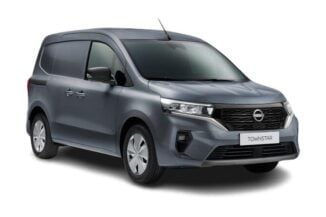
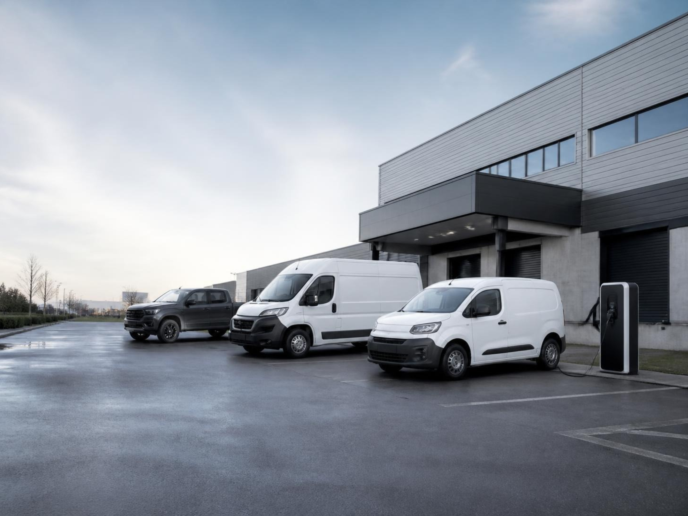
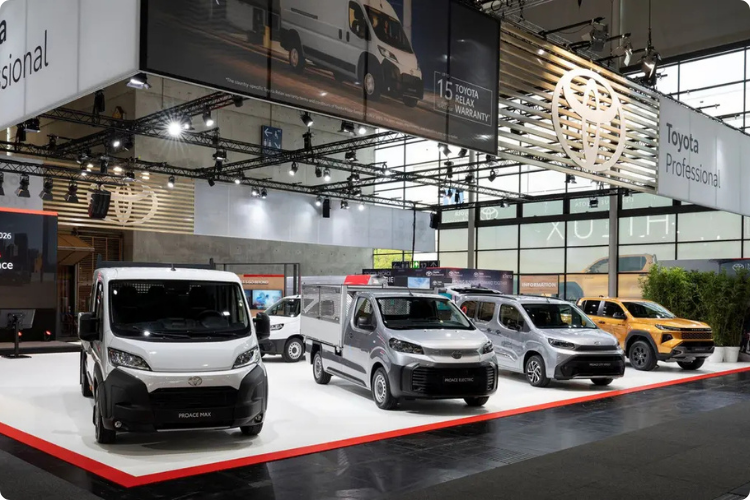
The Toyota Professional range currently covers several areas of the commercial vehicle market, including compact and medium-sized vans, larger LCVs, people carriers and the Hilux pick-up. The Toyota Proace City provides a compact van option, while the Toyota Proace covers the medium-van market and the Toyota Proace Max provides a larger commercial vehicle option. Businesses considering the Toyota range can compare the available models through Toyota van and pick-up leasing
Toyota has also recently introduced the latest generation of the Hilux, giving the manufacturer an updated offering in the increasingly competitive pick-up market. The manufacturer is also developing an electric version, as covered in our guide to the Toyota Hilux BEV. For businesses considering a pick-up rather than a conventional van, pick-up truck leasing provides another option for accessing a commercial vehicle.
Toyota Plans Further Commercial Vehicle Growth
Toyota says its next phase of growth will focus not simply on increasing sales volumes, but on maintaining the level of service and support expected by business customers.
Till Conrad, executive vice president for sales at Toyota Motor Europe, said the manufacturer needs to ensure that growth is supported by consistent standards, effective delivery and a strong dealer network.
The company currently has more than 500 Toyota Professional centres operating across Europe, providing dedicated support for business and fleet customers.
That network has expanded considerably since 2019, with Toyota reporting growth of more than 165% in the number of specialist centres.
Toyota believes this wider support network will be an important part of its plans as more businesses consider different powertrain options for their commercial vehicles.
For companies operating multiple commercial vehicles, choosing the right vehicles is only one part of managing a fleet. Fleet management solutions can also help businesses manage their vehicles, costs and operational requirements.
Toyota Expands Its LCV Electrification Strategy
Electrification will remain an important part of Toyota’s commercial vehicle strategy, with battery electric versions now available across its LCV range.
Toyota says fully electric vehicles currently account for around 22% of Toyota Professional sales.
However, the manufacturer is not committing exclusively to battery electric technology. Instead, it is continuing with what it describes as a multi-path approach, offering different powertrains depending on the vehicle, market and requirements of individual customers.
This means Toyota’s European LCV line-up can include battery electric vehicles alongside diesel models using 48V technology and conventional diesel powertrains.
Some of its combustion-engine vehicles can also operate using renewable fuels such as hydrotreated vegetable oil (HVO), giving businesses another potential route towards reducing emissions.
Toyota argues that commercial vehicle operators have very different requirements depending on how their vehicles are used, the distances covered and the conditions in which they operate. The operating environment can also influence vehicle choice, particularly for businesses working in areas affected by emissions restrictions and charging zones. Our guide to ULEZ, Clean Air Zones and Low Emission Zones explains the rules and charges businesses need to consider.
For some businesses, an electric van may be well suited to regular urban journeys, while other operators may require the range, payload capability or refuelling characteristics of a combustion-powered vehicle.
The manufacturer therefore believes offering multiple technologies gives businesses greater flexibility as they work towards reducing emissions.
For businesses considering making the switch to electric, electric van leasing can provide a way to access newer zero-emission commercial vehicles without relying solely on outright purchase.
Hydrogen Hilux Planned For 2028
Toyota is also preparing to introduce hydrogen fuel-cell technology into its commercial vehicle line-up.
The company plans to launch the Hilux FCEV in 2028, adding hydrogen to the range of powertrain technologies being considered for its future LCV strategy.
Early performance targets indicate a potential WLTP driving range of more than 248 miles, or around 400km, while the hydrogen-powered pick-up is expected to offer a towing capacity of up to 2,500kg.
The Hilux FCEV could therefore provide an alternative for businesses that require a zero-emission vehicle while also placing importance on towing and longer-distance operation.
Toyota’s wider approach means it is continuing to develop battery electric, hybrid, combustion and hydrogen technologies rather than relying on one solution across its entire commercial vehicle range.
Customer Support Remains A Key Focus
Toyota says its growth strategy is built around giving business customers greater choice while also improving the overall ownership and support experience.
Its Toyota Professional network provides dedicated assistance for commercial vehicle customers, with services including express servicing, courtesy vehicles and roadside assistance included within its new vehicle support package.
For businesses comparing different ways of funding their next commercial vehicle, van finance for businesses can also provide an overview of the main finance options available. For businesses, that choice also extends to how a vehicle is funded, with options including contract hire, finance lease, hire purchase and outright purchase. Our guide to vehicle finance options explains how the main methods work.
The manufacturer also operates a warranty extension programme for vehicles maintained through its authorised network.
After the initial three-year warranty period, eligible Toyota vehicles can receive an additional 12 months or 10,000 miles of cover following a qualifying service at a Toyota workshop.
This can continue until the vehicle reaches 10 years old or 100,000 miles, providing additional support for businesses that continue to operate their vehicles over longer periods.
Toyota Targets 200,000 European LCV Sales
Toyota’s target of 200,000 annual LCV sales by 2030 represents a significant increase from the volumes the manufacturer is currently achieving.
With its European market share already above 7%, the company is aiming to move beyond its recent growth and establish an even stronger position in the commercial vehicle sector.
The combination of Proace vans, the Hilux pick-up, electric LCVs and future hydrogen technology gives Toyota a broad range of options as European businesses face changing emissions requirements and increasingly varied operational demands.
For UK businesses considering their next commercial vehicle, the expanding choice of powertrains could make it easier to select a van or pick-up based on how it will actually be used, rather than relying on a single technology.
Businesses looking at their next vehicle can also compare the different business van leasing options available, depending on their vehicle requirements, mileage and budget.
 Call our expert team on