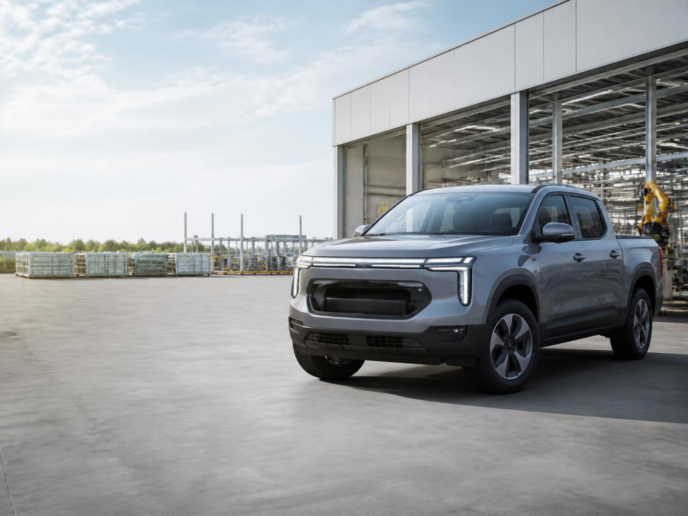
Illustrative concept image. Ford has yet to reveal the final design, so the vehicle shown is not the confirmed production model.
Ford is preparing a new generation of more affordable electric vehicles, with an all-new mid-size electric pickup truck set to lead the way.
The new pickup is expected to be built using Ford’s newly announced Universal Electric Vehicle Platform, a production system designed to reduce manufacturing costs and make electric vehicles more affordable.
Ford says the pickup could start at around $30,000, equivalent to approximately £22,000, although UK pricing and specifications have yet to be confirmed.
The first vehicles using the new platform are expected to arrive from 2027.
Ford Developing New Electric Vehicle Platform
The Universal Electric Vehicle Platform has been developed specifically to simplify the way Ford builds electric vehicles.
Rather than simply adapting existing production methods, Ford has redesigned much of the manufacturing process around the new platform. The company says it uses 20% fewer parts than its previous approach, while requiring around 40% fewer workstations on the production line.
Ford also claims vehicles using the platform can be assembled around 15% faster.
The aim is straightforward: reduce the complexity and cost involved in manufacturing electric vehicles, allowing some of those savings to be passed on through lower vehicle prices.
That could become particularly significant as manufacturers look to make EVs accessible beyond the premium end of the market.
Smaller Battery Designed To Keep Costs Down
Battery technology is another important part of Ford’s approach.
The new platform will use lithium iron phosphate (LFP) battery technology, which avoids the need for cobalt and nickel. Ford says this allows it to use a smaller battery while maintaining the performance required by its vehicles.
The battery pack is also integrated into the vehicle floor, helping to simplify the overall construction of the vehicle.
Ford has designed the platform so the electric motor can be positioned at either the front or rear. This gives engineers greater flexibility when developing different body styles, allowing space to be prioritised for passengers, luggage or cargo depending on the vehicle.
That flexibility could be particularly useful for commercial vehicles.
Electric Pickup Truck Will Lead The Range
The first model based on the Universal Electric Vehicle Platform is expected to be a mid-size electric pickup truck.
It will sit below the Ford Ranger in Ford’s line-up, giving the manufacturer an electric pickup positioned for buyers who don’t necessarily need the size or capability of a conventional Ranger. This comes as Ford continues to expand its pickup offering, with the Ford Ranger Super Duty also potentially heading to the UK.
For UK businesses considering an electric pickup, the new model could eventually add another option to an expanding market. CVC already offers a range of pickup truck leasing options, although Ford’s new model is still some way from entering the UK market.
Despite its intended affordability, Ford isn’t positioning the new model as a basic or slow electric vehicle.
The company says it will have performance comparable with the Ford Mustang EcoBoost, with a claimed 0-60mph time of less than five seconds.
The pickup will also combine a conventional load bed with additional storage space beneath the bonnet, making use of the packaging advantages offered by an electric powertrain.
More Affordable Ford EVs Are Planned
The pickup will reportedly be just the first of several vehicles Ford intends to build using the new platform.
Ford has already indicated that the architecture is capable of underpinning a variety of different body styles, with designs shown for a crossover, hatchback and two different SUV sizes.
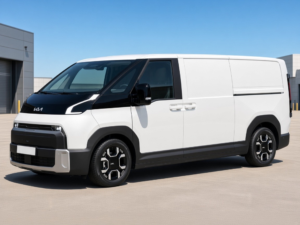
A panel van silhouette has also been shown.
If that vehicle eventually reaches production, it could have particular significance for the commercial vehicle market and the wider electric van sector.
Ford already has an established electric commercial vehicle range, including the Ford E-Transit and Ford E-Transit Custom.
Ford also offers the Ford Transit Custom with diesel, plug-in hybrid and fully electric powertrains, giving businesses several options depending on their operational requirements.
However, a new platform specifically engineered around reducing production complexity could eventually allow Ford to introduce electric commercial vehicles at a different price point.
Could The New Platform Underpin A Ford Electric Van?
Perhaps the most interesting aspect for the commercial vehicle market is not necessarily the pickup itself, but the panel van shown alongside Ford’s other future models.
Ford has not yet provided full details of this vehicle, so it is too early to say whether it represents a replacement for any existing model.
However, the appearance of a van on the Universal Electric Vehicle Platform suggests Ford is considering how the architecture could be adapted for commercial applications as well as passenger vehicles.
That could become important as more businesses consider electric van leasing as part of their fleet strategy.
A platform designed around fewer components and a simplified manufacturing process could eventually give Ford greater scope to produce more affordable electric commercial vehicles.
It also demonstrates the potential advantage of designing an EV architecture that can be adapted across multiple vehicle types rather than developing entirely separate platforms for each model.
Could Ford’s Electric Pickup Come To The UK?
Ford has confirmed that the new electric pickup is planned for production, with the first vehicles expected to arrive from 2027.
However, there is currently no confirmation of UK launch plans, UK specifications or pricing.
The headline figure of around £22,000 should therefore be treated as an approximate conversion of Ford’s announced US starting price rather than an expected UK list price.
UK buyers will also need more information about the battery capacity, driving range, charging capability, payload and towing capacity before the pickup can be properly assessed against established commercial vehicles and pickups available here.
These details will be particularly important for businesses, where an electric pickup needs to provide more than just an attractive purchase price. Payload, towing capability, range and charging times can all have a direct impact on how suitable an EV is for day-to-day commercial use.
What Does This Mean For Ford’s Electric Vans?
The potential arrival of another Ford electric van would add to a commercial vehicle range that is already moving towards greater electrification. Ford has a long-standing presence in the UK commercial vehicle market, with the Ford Transit having marked 60 years as one of Britain’s most recognisable vans.
The Ford E-Transit provides Ford with a large electric panel van, while the Ford E-Transit Custom sits in the smaller and highly competitive medium-sized van sector.
A future model based on the Universal Electric Vehicle Platform could potentially give Ford another route into the market, particularly if the platform’s lower manufacturing costs allow the company to target a more accessible price point.
For businesses assessing whether electrification is appropriate for their fleet, the practical considerations extend well beyond the purchase or lease price. Charging infrastructure, daily mileage, payload requirements and operating patterns all need to be considered when switching to an electric vehicle.
Ford’s £22,000 Electric Pickup: What We Know So Far
| Feature | Current Information |
|---|---|
| Vehicle type | Mid-size electric pickup |
| Platform | Ford Universal Electric Vehicle Platform |
| Expected launch | From 2027 |
| Announced starting price | Around $30,000 |
| Approximate UK equivalent | Around £22,000 |
| Battery technology | Lithium iron phosphate (LFP) |
| Motor layout | Front or rear motor configuration |
| 0-60mph | Less than five seconds claimed |
| Load area | Pickup bed |
| Additional storage | Front storage compartment |
| UK availability | Yet to be confirmed |
 Call our expert team on