Drivers are being urged to take greater care when using their headlights and dealing with dazzle from oncoming traffic, following the publication of new guidance from the Department for Transport (DfT).
The advice, published on 23 October 2026, comes amid growing concerns about the effect of increasingly bright vehicle headlights on road safety. Research by the RAC suggests that glare is making it harder for motorists to identify hazards, read road signs and judge the movements of other vehicles.
For businesses operating cars, vans and commercial fleets, the guidance highlights the importance of maintaining vehicle lighting correctly and ensuring drivers understand how to respond when visibility is affected.
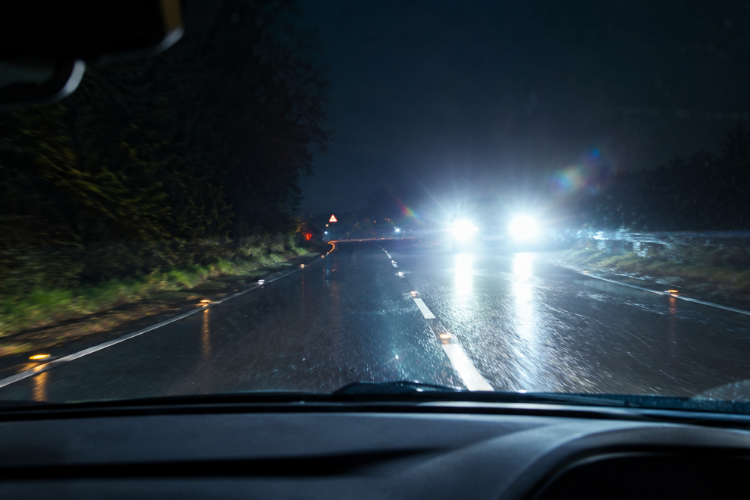
How Headlight Glare Can Affect Road Safety
The RAC’s research indicates that headlight glare is more than an inconvenience, with many motorists reporting difficulties that could increase the risk of an accident.
Among drivers who experience dazzle:
- 50% say bright headlights make it harder to identify road hazards.
- 49% struggle to see road signs and markings clearly.
- 47% find it difficult to judge the position of oncoming vehicles.
- 43% have difficulty assessing other vehicles’ speed and distance.
- 35% report being temporarily blinded by headlight glare.
- 14% say they have narrowly avoided a collision.
These findings highlight how quickly a driver’s ability to assess the road can be affected, particularly when travelling after dark or on poorly lit roads.
The Highway Code requires drivers to use their lights responsibly and avoid dazzling or causing discomfort to other road users. The DfT’s new headlight glare guidance reinforces the importance of understanding a vehicle’s lighting controls and ensuring its headlights are suitable for the prevailing conditions.
What Drivers Should Check Before Setting Off
The DfT recommends that drivers familiarise themselves with their vehicle’s lighting system before travelling, including automatic headlight functions and how to override them when necessary.
Drivers should also consider whether the vehicle’s load could affect the direction of its headlight beams. Carrying several passengers, loading a van with equipment or towing a trailer can alter the vehicle’s stance, potentially causing headlights to point higher than intended.
Where manual headlight levelling is available, drivers should adjust the settings as necessary. Vehicles with automatic levelling systems should manage this adjustment themselves, although drivers should remain alert to any lighting problems.
Keeping headlight lenses clean is another important step. Dirt, grime and road salt can interfere with the intended beam pattern, potentially affecting the driver’s visibility and increasing discomfort for other road users.
Drivers should also use front and rear fog lights only when visibility is significantly reduced, switching them off once conditions improve. They should avoid using daytime running lights alone at night or in low-light conditions when headlights are required.
Vehicle Lighting And Maintenance Checklist
The following table summarises practical checks that drivers and fleet managers can incorporate into their regular vehicle inspection routines.
| Check | What To Do | Why It Matters |
|---|---|---|
| Headlight alignment | Check for incorrectly positioned beams and arrange an inspection if necessary. | Helps prevent headlights from dazzling oncoming traffic. |
| Headlight cleanliness | Remove dirt, grime and road salt from lenses. | Helps maintain the intended beam pattern and lighting performance. |
| Load and beam levelling | Check headlight settings when carrying heavy loads, passengers or towing. | Helps prevent the vehicle’s changed stance from directing beams too high. |
| Bulbs and lighting equipment | Use approved replacement bulbs and compatible components. | Helps maintain compliant lighting performance. |
| Windscreen and wipers | Keep the glass clean and ensure wipers clear water effectively. | Reduces glare, reflections and visual distortion. |
| Demisting controls | Make sure the windscreen can be cleared quickly. | Helps maintain visibility when condensation develops. |
| Mirrors | Check manual dimming controls or automatic dimming functions. | Helps reduce glare from vehicles approaching behind. |
| Driver eyesight | Wear prescribed corrective lenses and arrange regular eye tests. | Supports clear vision when driving in low-light conditions. |
These checks can form part of a wider vehicle maintenance programme, helping businesses identify potential problems before they affect drivers on the road.
For operators managing several vehicles, a structured approach to inspections can also support wider fleet compliance checks, ensuring lighting issues are considered alongside other safety-critical components.
Check Headlight Alignment Before The MOT
Headlight alignment can change over time, meaning a vehicle’s beams may not always point in the correct direction. Although headlight aim is checked as part of the MOT test, generally once a car or van reaches three years old, problems can develop before the first test is due.
The DfT advises motorists to consider having their headlights checked earlier if there are concerns about their alignment.
It is also important to use approved replacement bulbs and lighting equipment. Non-approved light sources can alter the beam pattern, breach vehicle lighting requirements and potentially affect insurance cover. Businesses operating vans should also understand the updated MOT rules for vans and approved LED replacement headlights, including the approval requirements that must be met for qualifying LED bulbs to pass an MOT.
For fleet managers, including lighting checks within routine inspections and encouraging drivers to report defects promptly can help reduce avoidable risks. Businesses can also review their wider fleet vehicle servicing and maintenance arrangements to ensure vehicles receive appropriate attention throughout their working lives.
How To Reduce The Effects Of Glare While Driving
Even when a vehicle’s lights are correctly adjusted, drivers may still encounter glare from oncoming traffic. The DfT recommends several practical steps to help motorists maintain visibility and respond safely.
Avoid looking directly at oncoming headlights. If another vehicle’s lights cause dazzle, concentrate on the road ahead and briefly use the left-hand road edge as a reference point to help maintain position. Reduce speed and be prepared to stop if it is no longer safe to continue.
Keep the windscreen clean. Smears, dirt and residue can increase glare and create halos around lights. Regularly clean the inside and outside of the windscreen, and ensure wipers are in good working order. Depending on their condition and use, wipers may need replacing every one to two years.
Prevent condensation. Drivers should know how to operate their vehicle’s demisting controls so that the windscreen remains clear throughout the journey.
Check mirror settings. Use the rear-view mirror’s manual dimming function where fitted, or make sure the automatic dimming system is operating correctly.
Consider driving position. Where appropriate, a slightly higher seating position may help reduce the impact of glare from vehicles with higher-mounted headlights. Drivers should always maintain a safe and comfortable position that allows proper control of the vehicle.
Wear the correct eyewear. Anyone who needs prescription glasses or contact lenses for driving should use them and keep them clean. Regular eye tests can help identify changes in vision, and drivers experiencing difficulties at night should discuss suitable options with their optometrist.
Be cautious with night-driving glasses. Their benefits may be limited, and tinted lenses must not reduce visibility or be used as a substitute for prescribed corrective eyewear.
For businesses, these recommendations can be incorporated into driver briefings and company driving procedures. A clearly documented company vehicle policy can help establish expectations around vehicle checks, defect reporting and safe driving practices.
Government Research Into Headlight Glare Continues
The latest guidance follows an earlier UK Government-commissioned study, published in November 2025, which examined concerns about headlight glare and the potential impact of brighter modern lighting systems.
Further research is being developed following the Government’s commitment to address the issue through its Road Safety Strategy announced in January 2026. The next phase is intended to investigate vehicle design factors and potential measures to reduce glare, while work continues internationally on vehicle lighting standards.
The challenge is to improve visibility for the driver using the headlights without compromising the safety of people travelling in the opposite direction.
RAC research suggests that motorists want investigations to consider vehicles already on the road as well as future models. Around 73% of those surveyed believe both existing and new vehicles should be included, compared with 14% who think research should focus exclusively on vehicles that have yet to go on sale.
The RAC has welcomed the Government’s commitment to further investigation, while calling for meaningful changes that address drivers’ experiences of glare without undermining the benefits of effective forward lighting.

What Headlight Glare Means For Business Fleets
Headlight glare is a concern for anyone who drives after dark, but it is particularly relevant to businesses whose employees spend significant time on the road.
These considerations also apply when employees use their own vehicles for work, making it important to include vehicle condition and driving risks in a wider grey fleet management policy.
Van drivers, sales teams, service engineers and other mobile workers may regularly travel during winter evenings, early mornings or on rural routes with limited street lighting. Reduced visibility can make it harder to identify hazards, assess traffic movements and react to unexpected situations.
Fleet managers can help by ensuring vehicles receive appropriate maintenance, investigating reports of poorly aligned or excessively bright headlights, and reminding employees about safe driving practices in low-light conditions.
Businesses should also have clear procedures for dealing with incidents on the road. Our guide to company vehicle accident procedures explains how to respond when a driver is involved in a collision.
Regular checks should cover the condition and cleanliness of lights, the correct operation of lighting controls and the suitability of headlight settings when carrying different loads. Drivers should also know how to respond safely if glare temporarily affects their vision.
Businesses can strengthen these processes through regular fleet audits, helping identify maintenance gaps and opportunities to improve vehicle safety procedures.
It is also important to make sure employees understand their obligations when using company vehicles. Our guide to leased vehicle driver responsibilities explains the importance of looking after a leased vehicle and following the relevant requirements.
For organisations looking to take a broader approach to vehicle oversight, a structured fleet management guide can help bring maintenance, compliance and driver responsibilities together.
 Call our expert team on