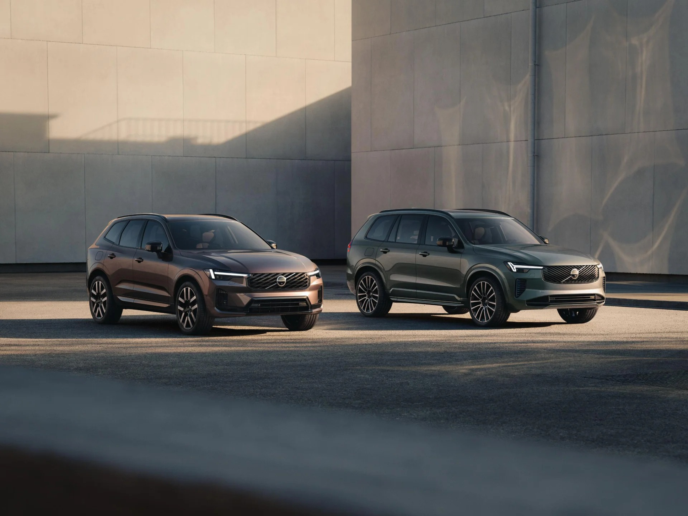
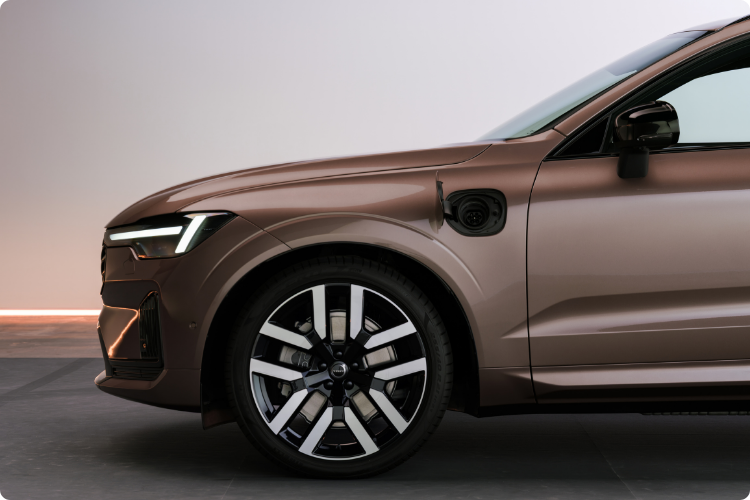
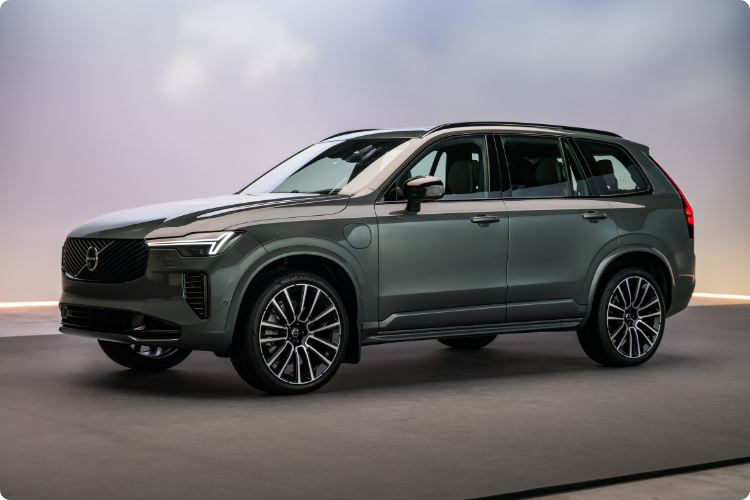
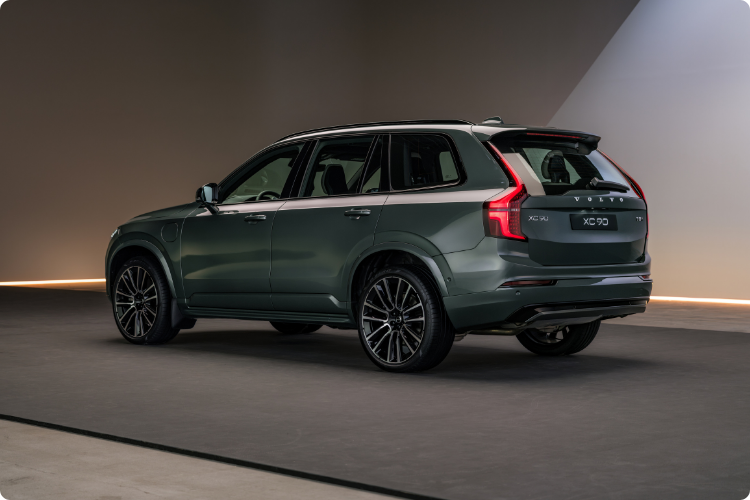
Volvo is significantly increasing the electric driving capability of its plug-in hybrid SUVs, with the updated XC60 expected to deliver up to 200km on electric power alone. The larger XC90 will offer an electric range of up to 163km, giving drivers more scope to complete everyday journeys without using petrol.
The improvements form part of Volvo’s 2027 model-year updates and are intended to make plug-in hybrids a more practical option for motorists who want the benefits of electric driving without relying entirely on charging infrastructure.
For businesses comparing different powertrains, Volvo’s updates highlight the growing choice available through business car leasing, including fully electric, petrol and hybrid models.
Larger Battery Brings A Significant Range Increase
Both the Volvo XC60 Plug-in Hybrid and XC90 Plug-in Hybrid will feature a substantially larger 41.2kWh battery, replacing the 18.8kWh unit used in the previous versions.
This represents a considerable increase in battery capacity and helps more than double the advertised electric range of both models. The XC60 will offer up to 200km (124 miles) of electric driving, while the XC90 is expected to achieve up to 163km (101 miles).
The battery works alongside an upgraded electric motor producing 130kW, compared with 115kW previously. Both SUVs will retain their petrol engines, which can take over when additional power is required, or the battery charge becomes low.
For drivers, the increased electric range could mean completing a greater proportion of regular journeys using electricity, provided they charge the vehicle regularly. Longer trips remain possible without needing to depend exclusively on public charging points.
The difference between plug-in hybrids and fully electric vehicles is explained in CVC’s guide to BEV, PHEV, HEV and ICE powertrains, which outlines how the main vehicle technologies work.
Volvo XC60 Targets The Long-Range Plug-In Hybrid Market
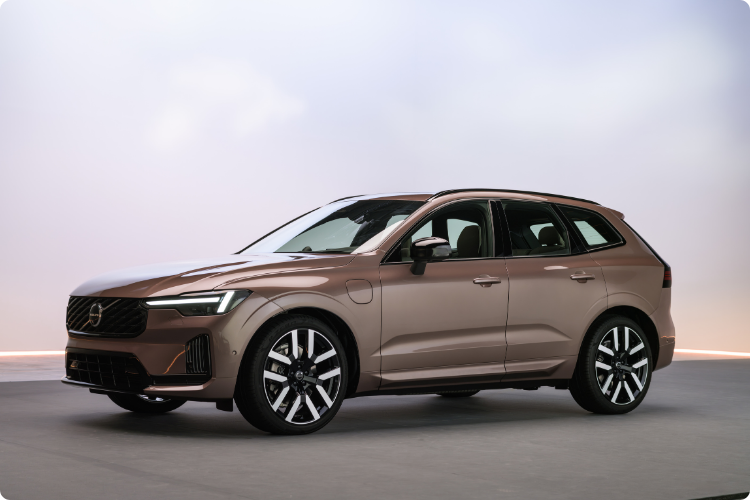
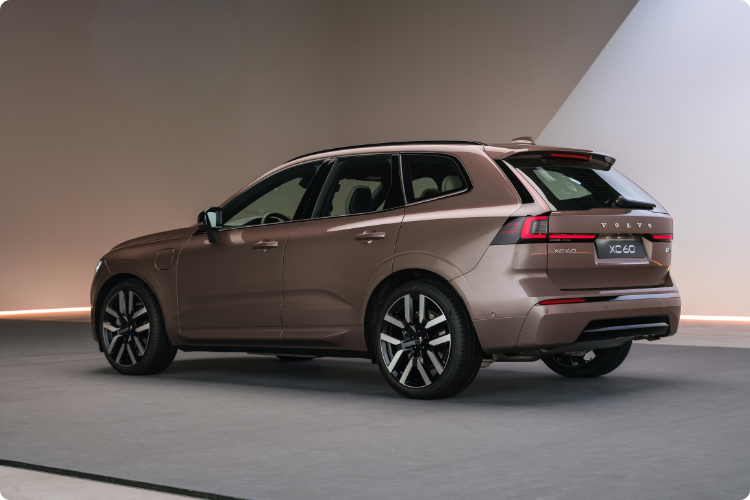
The XC60 is an important model for Volvo, and the extended electric range could strengthen its appeal among drivers considering a move towards electrified motoring.
Volvo describes the new XC60’s electric range as class-leading. Its stated maximum of 200km places it among the longest-range plug-in hybrids currently available, although actual results will depend on driving conditions, temperature, speed and other factors.
The larger XC90 will offer up to 163km of electric range. Its additional size and weight make the lower figure understandable, while the combination of a petrol engine and electric motor retains the flexibility expected of a plug-in hybrid SUV.
Volvo’s wider electrification strategy also includes its fully electric models, including the EX30 and EX60. The updated plug-in hybrids provide another option for customers who want to increase their use of electric power without moving to a fully electric vehicle immediately.
Businesses and drivers can compare available models through CVC’s electric car leasing options, while the business car leasing range provides a broader starting point for comparing vehicles suited to different requirements.
Charging Habits Remain Important
Despite the improvements in battery technology, the environmental benefits of plug-in hybrids still depend heavily on how owners use them.
Unlike fully electric vehicles, plug-in hybrids can continue running on petrol when their batteries are depleted. Drivers who rarely recharge may therefore use considerably more fuel than the official emissions figures suggest.
European Commission data published in 2024, based on real-world information collected from vehicles, found that plug-in hybrids registered in 2021 emitted an average of approximately 3.5 times their official type-approval CO₂ figures. The findings highlighted the gap that can emerge between laboratory results and everyday driving.
Changes to European emissions calculations have subsequently been introduced, with further tightening scheduled under the regulations. These measures reflect the importance of ensuring that official figures more accurately represent how vehicles are driven in practice.
A larger battery could help address some of these concerns by allowing drivers to cover more of their daily mileage electrically. However, that potential depends on convenient access to charging and the willingness to plug in regularly.
For businesses considering the practicalities of electrification, CVC’s guide to how EV charging works for businesses covers charging considerations for workplace and business use.
Company Car Tax And Running Costs
The extended electric range could also be relevant to company car drivers, as the electric-only range of a plug-in hybrid can affect its Benefit-in-Kind (BiK) tax band, subject to the applicable emissions and tax-year rules.
Businesses should assess the tax implications alongside purchase or leasing costs, fuel consumption, charging expenses and expected mileage. A vehicle with a long advertised electric range will not necessarily deliver the lowest overall costs if it is rarely charged.
CVC’s guide to UK plug-in hybrid BiK rates for 2026 explains how electric range and emissions affect company car taxation.
For a wider financial comparison, the Total Cost Of Ownership guide for business vehicles explores the factors that contribute to the overall cost of running a company vehicle.
Drivers using fully electric vehicles for qualifying business journeys can also use the AER Reimbursement Calculator to estimate electricity reimbursement at applicable advisory electric rates.

What The Updates Mean For Business Drivers
For businesses considering plug-in hybrid company cars, the extended range could make the XC60 and XC90 more suitable for drivers whose working week combines local journeys with occasional longer trips.
A greater electric range may reduce petrol consumption on shorter journeys, particularly where vehicles can be charged at home or at the workplace. Drivers who regularly travel longer distances can still rely on the petrol engine when necessary.
However, businesses should assess how each vehicle will be used rather than relying solely on its advertised electric range. Daily mileage, charging availability, motorway use and total running costs will all influence whether a plug-in hybrid is the right choice.
For organisations planning their next vehicle replacement cycle, CVC’s Fleet Planning and Leasing Guide provides further guidance on aligning vehicle choices with business needs. The company’s wider fleet management solutions can also help businesses consider their vehicle requirements and ongoing fleet responsibilities.
The updated Volvo models demonstrate how manufacturers are continuing to develop plug-in hybrid technology alongside fully electric vehicles. For fleets not yet ready to move entirely to battery-electric cars, longer-range plug-in hybrids could offer another way to increase electric driving while retaining the flexibility of a conventional engine.
 Call our expert team on