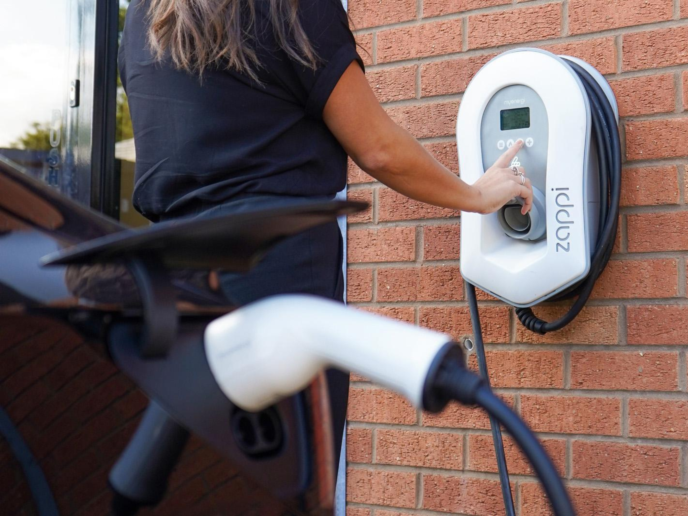
Home charging could become easier for businesses to manage following a new partnership between Myenergi and Rightcharge, designed to simplify how company electric vehicle drivers are reimbursed for charging at home.
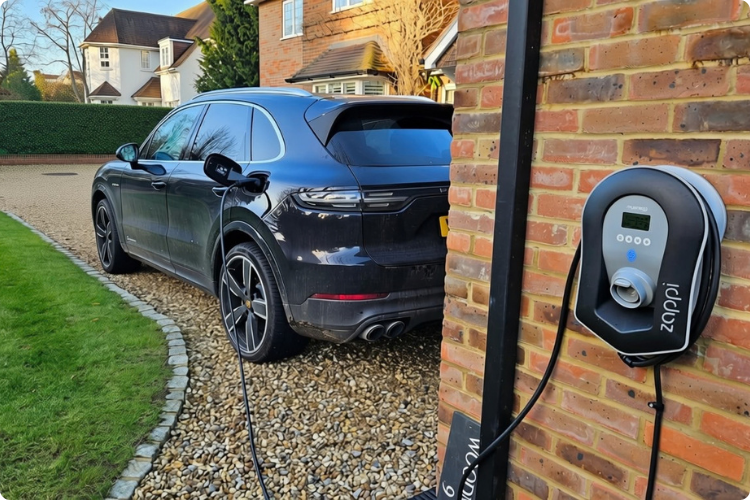
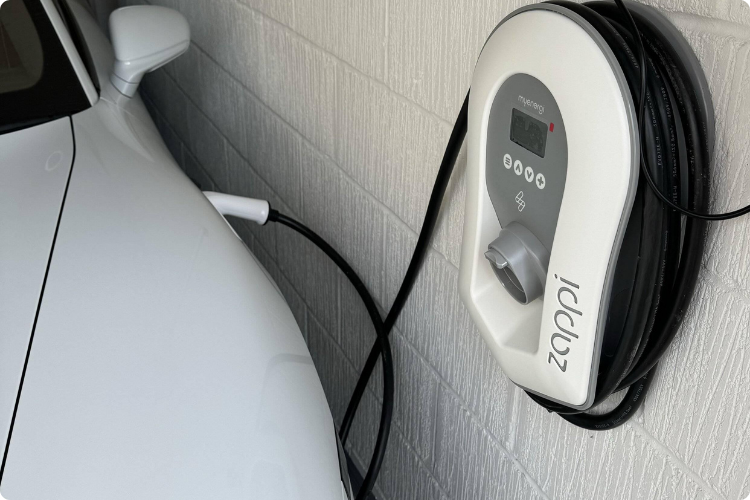
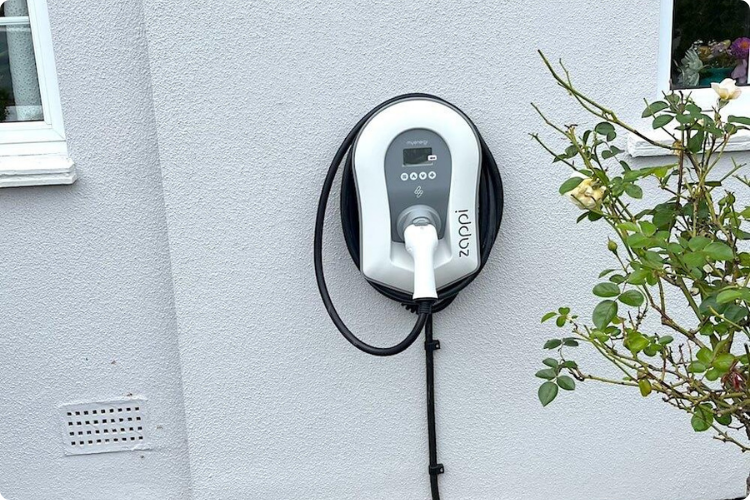
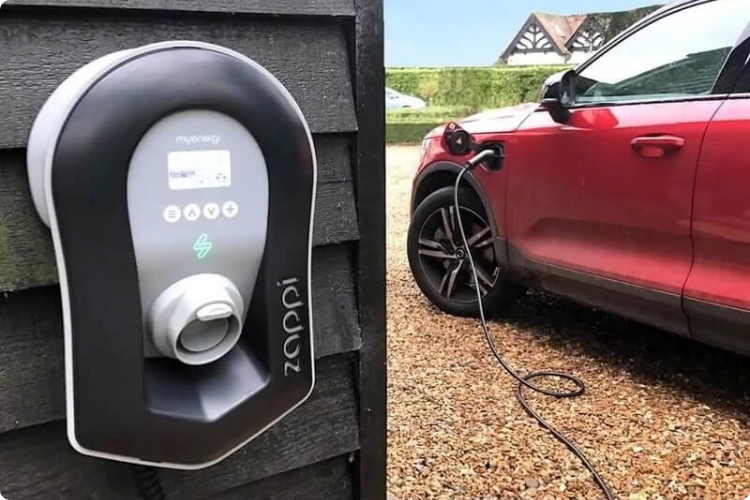
The agreement links Myenergi’s Zappi home EV charger with Rightcharge’s charging and reimbursement platform, allowing company car and van drivers to have their home charging costs calculated using the domestic electricity tariff they actually pay.
For businesses operating electric fleets, home charging can be considerably cheaper than relying on public rapid charging. However, accurately calculating how much an employee should be reimbursed for electricity used to charge a company vehicle can create additional administration for both drivers and fleet managers.
The new integration is intended to reduce that burden.
Automatic Reimbursement Based On The Driver’s Energy Tariff
Under the partnership, Rightcharge can use data from compatible Zappi chargers to identify electricity used for charging a company EV at home.
The reimbursement calculation can then take the driver’s domestic electricity tariff into account, rather than relying solely on a standard charging rate.
This is particularly relevant as more EV drivers move towards smart electricity tariffs, where the price of electricity can vary depending on when it is used.
A vehicle charged overnight during a cheaper off-peak period could therefore have a significantly different charging cost from one plugged in during a more expensive period.
For businesses, having reimbursement based on the driver’s actual charging costs can help simplify the process while giving greater visibility over how much is being spent on home charging.
Home Charging Can Be Much Cheaper Than Public Charging
The cost difference between charging at home and using public infrastructure remains an important consideration for businesses transitioning to electric vehicles.
Public rapid charging can cost more than 60p per kWh, depending on the network and charging location, while some domestic smart tariffs can offer electricity at a fraction of that price during cheaper periods.
For fleets covering high annual mileages, encouraging drivers to charge at home where practical could therefore help reduce overall charging expenditure.
For businesses weighing up the financial implications of electrification, our guide to how much businesses could save by switching from a diesel van to an electric van looks at the wider running-cost considerations.
However, the economics depend on the electricity tariff, charging behaviour and vehicle usage. Businesses also need a reliable way of establishing how much electricity has been used to charge the company vehicle.
This is where automated reimbursement systems such as the Myenergi and Rightcharge integration are intended to help.
One System For Home And Public Charging
Rightcharge says its platform can bring home and public charging costs together into a single monthly bill for businesses.
The company also uses vehicle integrations to help establish that charging activity relates to the relevant company vehicle.
This could be particularly useful for businesses operating mixed fleets, where employees may have access to domestic chargers but also need to use public charging networks during longer journeys. The continued expansion of the UK EV charging network is also giving drivers more options when charging away from home.
Rather than requiring drivers to manually record individual charging sessions and calculate their costs, the aim is to automate more of the process.
For fleet managers, this could reduce administration while providing a clearer picture of charging expenditure across the business.
Understanding EV Charging For Businesses
Home charging is becoming an increasingly important part of the transition to electric vehicles, particularly for employees who take company cars or vans home at the end of the working day. Not every employee will have access to workplace charging or suitable off-street parking, making public charging an important alternative for some drivers.
Our guide to EV Charging For Homes Without Driveways looks at the changing options available for drivers without access to private off-street parking.
Our guide to electric vehicle charging for UK businesses looks at the different charging options available to businesses, including home, workplace and employee charging.
For drivers with suitable off-street parking, a home charger can provide a convenient way to start each working day with an appropriate level of charge.
The challenge for businesses is making sure the electricity used by the company vehicle can be identified and reimbursed accurately.
Smart Charging Could Provide Further Savings
The partnership also forms part of a wider shift towards smart EV charging, where vehicles can automatically charge when electricity is cheaper or when demand on the electricity grid is lower.
Myenergi’s Zappi charger can work with compatible smart energy tariffs, allowing charging schedules to be adjusted around electricity prices.
The company also operates Gridpay, which allows participating households to earn money by giving Myenergi permission to manage charging at appropriate times and provide flexibility to the electricity system.
Myenergi says this could potentially provide participating customers with more than £100 a year, although the amount will depend on individual circumstances and participation.
For company EV drivers, the combination of cheaper electricity, automated charging and simpler reimbursement could make home charging a more attractive part of an overall fleet charging strategy.
How EV Reimbursement Is Changing
The way businesses reimburse employees for using electric vehicles is also becoming more important as the number of company EVs increases.
Businesses need to understand the applicable HMRC mileage reimbursement rates, while also considering whether employees are charging at home, at work or using public infrastructure.
CVC’s HMRC AER Reimbursement Calculator can help businesses and drivers calculate applicable reimbursement figures.
We have also looked at the changes in more detail in our guide to two-tier EV mileage reimbursement for fleets, including how different charging circumstances can affect the rate used.
Automated systems that connect the vehicle, charger and energy tariff could therefore help reduce some of the administrative work associated with reimbursing employees.
Why Home Charging Matters For Electric Fleets
As businesses continue to introduce electric cars and vans, charging at employees’ homes is becoming an increasingly important part of fleet infrastructure.
For businesses switching to electric vehicles, understanding how vehicles will actually be charged is therefore just as important as choosing the right model.
The cost of running an electric fleet is not simply about the vehicle itself. Charging infrastructure, electricity tariffs, reimbursement and charging behaviour can all have an impact on the overall cost of operation.
As fleet electrification introduces additional considerations around charging, reimbursement and vehicle use, our article on Why Fleet Management Is Becoming More Demanding For UK Businesses looks at the wider challenges facing modern fleet managers.
 Call our expert team on