Calls for a national electric vehicle scrappage scheme are growing, with the latest dealer research highlighting concerns over EV affordability and the number of older, higher-emission vehicles still on UK roads.
More than eight in 10 UK dealers believe the Government should introduce a national scrappage scheme to help accelerate the move towards electric vehicles.
The finding comes from the latest Startline Used Car Tracker, which surveyed 60 dealers alongside 300 consumers as part of its monthly research into attitudes towards the used vehicle market.
The research found that 83% of dealers support the introduction of a national scrappage scheme, while concerns about the affordability of electric vehicles remain widespread.
Among dealers supporting the idea, 74% said electric cars need to be as affordable as possible, while 72% believe the Government should be doing more to encourage people to make the switch to electric vehicles.
A further 32% said electric cars remain too expensive for too many consumers, while 26% believe there are too many older, more polluting vehicles still in use.
Could A Scrappage Scheme Help Accelerate EV Adoption?
The latest calls come as the Government continues to use financial incentives to encourage the transition towards electric vehicles.
The existing Electric Car Grant has helped reduce the upfront cost of eligible new electric cars, but dealers argue that a dedicated scrappage scheme could provide a more visible incentive for drivers to replace older petrol and diesel vehicles.
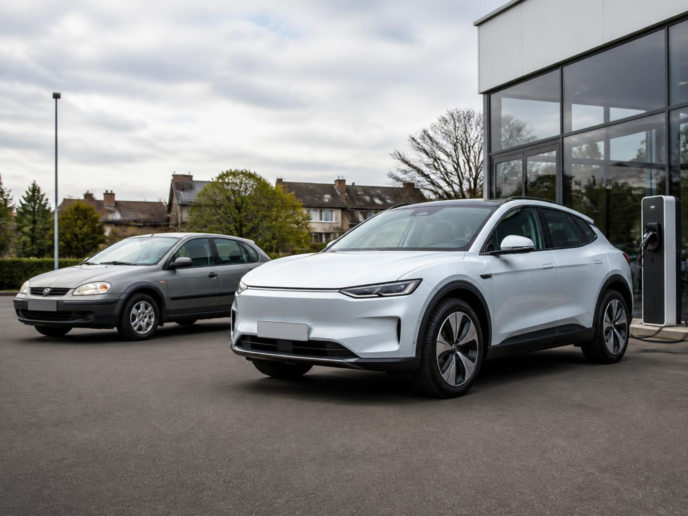
A scrappage scheme could potentially offer motorists a financial incentive to take an older vehicle off the road when replacing it with a newer, lower-emission or fully electric model.
Supporters believe this could address two issues at the same time: reducing the number of older vehicles on UK roads while making the move into an electric vehicle more affordable.
The latest research suggests there is considerable support for such an approach within the motor retail sector.
Affordability Remains A Key EV Challenge
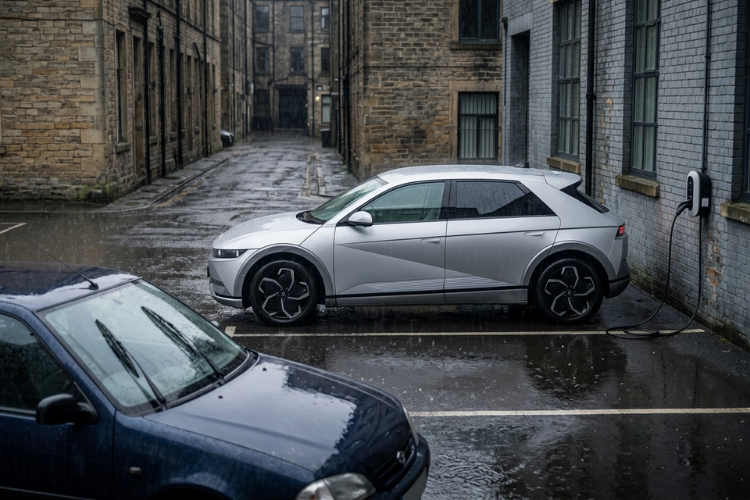
While electric vehicle technology has developed rapidly, the initial purchase price remains an important consideration for many motorists.
This is also relevant to businesses considering their next vehicle, particularly where several vehicles are being replaced as part of a fleet renewal programme.
For businesses, the decision to switch to an electric van involves more than simply comparing purchase prices. Factors such as monthly costs, charging requirements, vehicle range, payload and the way a vehicle is used can all influence whether an electric van is suitable.
Lower running and maintenance costs can also form part of the wider financial calculation, meaning the upfront cost is only one part of the overall picture.
A scrappage incentive could therefore provide another way of reducing the financial barrier to replacing older vehicles.
What Would An EV Scrappage Scheme Look Like?
There is currently no national UK scrappage scheme specifically designed to encourage motorists to replace older petrol and diesel vehicles with electric cars.
Previous local schemes have taken different approaches, with eligibility and incentives varying depending on the area and the type of vehicle being replaced.
A national programme could potentially provide a more consistent incentive across the UK, although the design of any scheme would be crucial.
Questions would include which vehicles qualify, how old they need to be, how much funding would be available and whether the incentive would apply only to new electric cars or also to other zero-emission vehicles.
There could also be an argument for extending any future support to electric vans.
Could Electric Vans Benefit?
Although the latest Startline research focuses primarily on electric cars, the affordability issue is also relevant to the commercial vehicle market.
Electric van adoption is continuing to grow, with manufacturers offering an increasingly wide range of electric vans across different sizes and applications.
For businesses running older diesel vans, electric van leasing could provide a way to introduce a zero-emission vehicle while potentially helping operators manage the costs of replacing older vehicles.
However, businesses need to consider whether an electric van can meet the demands of their particular operation.
Daily mileage, payload, charging access and the amount of time a vehicle spends on the road can all have a significant impact on the suitability of an electric van.
This means that any future Government incentive aimed at accelerating the transition to zero-emission vehicles could have implications beyond the retail car market.
Dealers Want Greater Government Support
The strength of support among dealers indicates that affordability remains an important part of the UK’s wider EV transition.
While 83% backed a national scrappage scheme, opposition was relatively limited. Among dealers who did not support the idea, some argued that keeping existing vehicles on the road could be more environmentally friendly, while others felt electric cars had already become more affordable or that the Government should not interfere with the market.
The debate comes at a time when the UK continues to look for ways to increase electric vehicle adoption.
For motorists and businesses considering their next vehicle, the availability of financial incentives could ultimately play an important role in how quickly older petrol and diesel vehicles are replaced.
For now, however, a national EV scrappage scheme remains a proposal rather than Government policy.
If ministers were to introduce one, it could provide another significant incentive for motorists and businesses to move away from older, higher-emission vehicles and towards electric alternatives.
 Call our expert team on