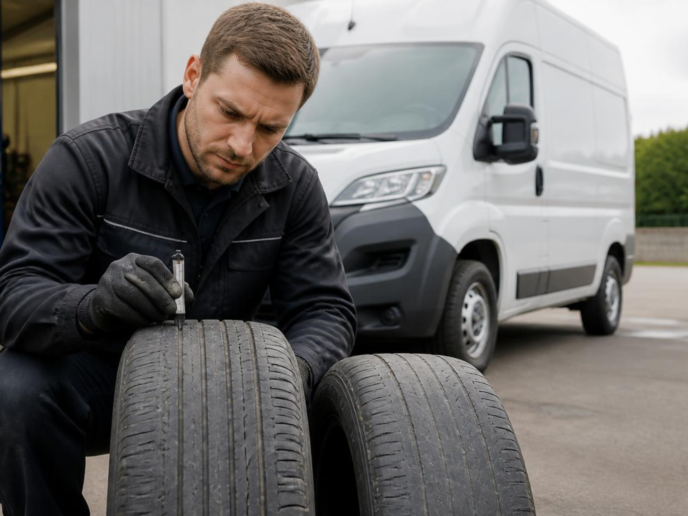
Warnings over dangerous part-worn tyres have highlighted the importance of proper tyre management and regular vehicle maintenance for drivers and businesses.
Tyre safety charity TyreSafe has raised concerns about standards in parts of the UK part-worn tyre market following a series of enforcement operations carried out with Trading Standards, police and local authorities.
The investigations uncovered significant safety and compliance issues, including damaged tyres, poor repairs and tyres that did not meet legal requirements.
The findings highlight why tyre condition should be taken seriously, whether a vehicle is used privately, for commuting or as part of a business fleet.
Enforcement Operations Find Serious Tyre Safety Issues
TyreSafe said recent enforcement activity in Norfolk and Lancashire had identified significant problems among some businesses selling part-worn tyres.
In Norfolk, 191 part-worn tyres were inspected across seven businesses. TyreSafe said 36% were found to be in a dangerous condition, with issues including exposed cords, structural damage and poor repairs.
The organisation also said that only one of the tyres inspected met all the required legal safety and marking requirements.
Unsafe tyres were removed from sale, with enforcement action taken against businesses that were found not to be complying with the relevant requirements.
A separate operation in Lancashire inspected 30 part-worn tyres, with TyreSafe reporting that none met the legal requirements.
Defects identified included embedded objects, sidewall damage and substandard repairs.
The findings have prompted further engagement with businesses and follow-up action intended to improve compliance.
Why Tyre Condition Matters
Tyres are one of the most important safety components on any vehicle.
They are the only points of contact between the vehicle and the road, meaning their condition can directly affect braking, handling and control.
Damaged, incorrectly inflated or excessively worn tyres can increase safety risks and may also contribute to unexpected breakdowns or vehicle downtime.
For businesses, these issues can have wider consequences. A vehicle that is unavailable because of a tyre problem can disrupt deliveries, appointments, jobs and day-to-day operations.
Regular tyre checks are therefore an important part of responsible vehicle ownership and maintenance.
Part-Worn Tyres Can Present Additional Risks
Part-worn tyres can be attractive to motorists and businesses looking to reduce the immediate cost of replacement.
However, TyreSafe’s enforcement activity highlights why additional care is needed when purchasing used tyres.
A part-worn tyre’s previous history may not be known. Previous damage, repairs or the conditions in which it was used may not always be immediately apparent.
TyreSafe also argues that a cheaper part-worn tyre may not necessarily represent better long-term value if it has less usable tread or is more likely to require earlier replacement.
For drivers and businesses, the condition and suitability of replacement tyres should therefore be carefully considered rather than simply choosing the cheapest available option.
Regular Maintenance Can Help Manage Tyre Requirements
Keeping tyres in good condition is part of wider vehicle maintenance.
Regular vehicle maintenance and inspections can help identify potential problems before they become more serious, while tyres should also be checked for damage, abnormal wear and correct inflation.
For businesses that lease vehicles, maintenance packages can provide an additional way of managing some of these ongoing requirements.
Where tyres are included within an agreed maintenance package, replacement tyres and related maintenance can be dealt with as part of the vehicle’s maintenance provision, subject to the individual contract terms.
This can help businesses manage maintenance costs and reduce some of the administration involved in keeping vehicles on the road.
However, the level of cover can vary between maintenance packages, so businesses should always check exactly what is included within their agreement.
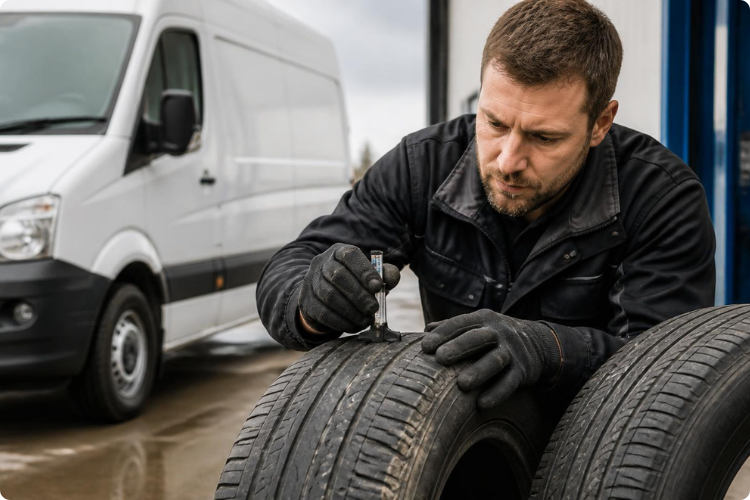
Tyre Safety Applies To Cars And Commercial Vehicles
The concerns raised by TyreSafe are not limited to commercial vehicles.
Cars, vans and other road vehicles all rely on their tyres for safe braking, handling and road holding.
For private motorists, checking tyres regularly can help identify issues such as cuts, bulges, uneven wear or objects embedded in the tread.
For businesses, the same checks become particularly important where vehicles are used frequently or cover high mileage.
Fleet operators should also consider whether drivers understand what to look for during routine vehicle checks and have a clear process for reporting tyre problems.
 Call our expert team on