Motorists and businesses across the UK are facing another increase in fuel costs after global oil prices surged in response to escalating tensions in the Middle East.
Brent crude, the international benchmark used to price oil, climbed sharply during trading after renewed geopolitical uncertainty raised concerns over global energy supplies. The benchmark rose by around 6% in a single day and came close to the $100 per barrel mark, reaching its highest level since May.
The increase follows renewed military action involving the United States and Iran, along with continued attacks on commercial shipping in the Red Sea by Houthi militants. The disruption has increased fears over the security of one of the world’s most important oil transport routes, pushing wholesale oil prices higher.
Petrol and Diesel Prices Increase Across the UK
The rise in crude oil prices is already feeding through to UK forecourts.
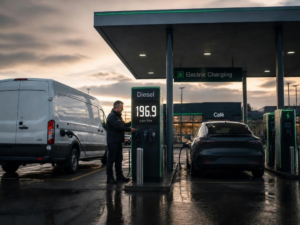
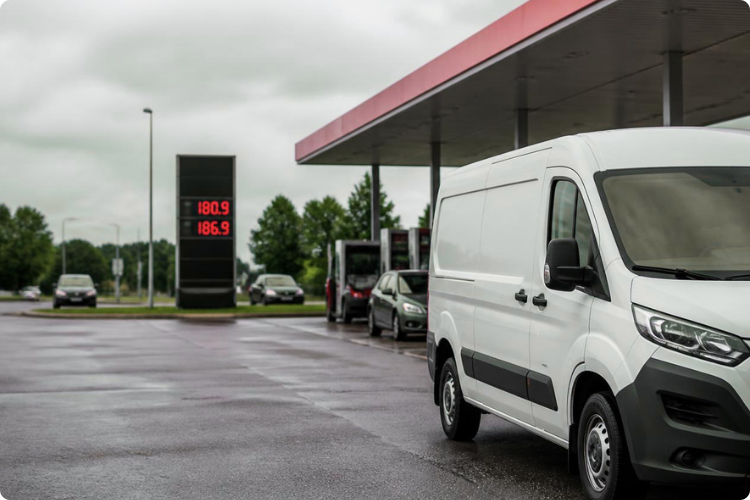
According to the RAC, the average price of diesel has increased by 7.62p per litre over the past fortnight, taking the UK average to 172.14p per litre.
Meanwhile, the average price of petrol has risen by around 5p per litre over the last two and a half weeks to 155.57p per litre.
The latest increases effectively reverse many of the reductions motorists had enjoyed during recent months.
Simon Williams, Head of Policy at the RAC, said fuel prices are rising rapidly as wholesale costs continue to increase.
He warned that if petrol reaches 160p per litre, it would exceed the previous high of 159.53p per litre, which was recorded on 28 May during heightened tensions involving Iran.
Diesel prices are also moving closer to 180p per litre, placing additional pressure on drivers and businesses that rely on commercial vehicles.
Global Events Continue to Influence UK Fuel Costs
Although the UK produces some of its own oil, domestic fuel prices remain closely linked to international wholesale markets.
Brent crude is the benchmark used to price much of the world’s oil, meaning any disruption to global supply or shipping routes can quickly affect the cost of fuel purchased by UK retailers.
The latest market volatility has been driven by concerns that continued conflict in the Middle East could disrupt oil exports or delay shipments through key maritime routes, including the Red Sea.
As wholesale fuel becomes more expensive, retailers typically pass these higher costs on to motorists, although there can be a delay of several days before pump prices fully reflect changes in the market.
Fleet Operators Face Higher Running Costs
The latest increase in fuel prices presents another challenge for businesses operating commercial vehicles.
Companies with large van fleets, delivery vehicles, pickups and company cars could see operating costs rise significantly if fuel prices remain elevated over the coming weeks.
For businesses covering thousands of miles every month, even a small increase in the price per litre can add considerably to annual fuel expenditure.
Many fleet operators may now look at improving route planning, reducing unnecessary journeys, encouraging more economical driving techniques or accelerating the transition towards hybrid and electric vehicles where operationally suitable.

Rising Fuel Costs Could Push Inflation Higher
Higher fuel prices may also have wider consequences for the UK economy.
Lower petrol and diesel prices helped reduce the rate of inflation to 2.6% in June, after it had remained at 2.8% in May.
However, economists expect inflation to rise above 3% later this year as higher fuel and energy costs begin filtering through to businesses and households.
The Bank of England continues to target inflation of 2%, and policymakers will closely monitor energy prices when making future decisions on interest rates.
Most economists currently expect the Bank of England to leave its base rate unchanged at 3.75% at its next Monetary Policy Committee meeting.
Fuel Prices Could Continue to Rise
The outlook for fuel prices will largely depend on developments in global oil markets.
If geopolitical tensions continue or oil supplies become further constrained, wholesale fuel prices could remain elevated, resulting in additional increases at UK forecourts.
For motorists, businesses and fleet operators alike, the coming weeks are likely to bring continued uncertainty, with fuel costs expected to remain one of the biggest operational expenses for many organisations.
 Call our expert team on