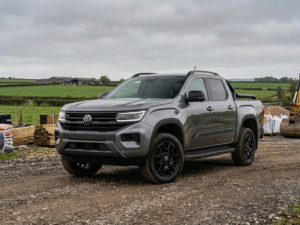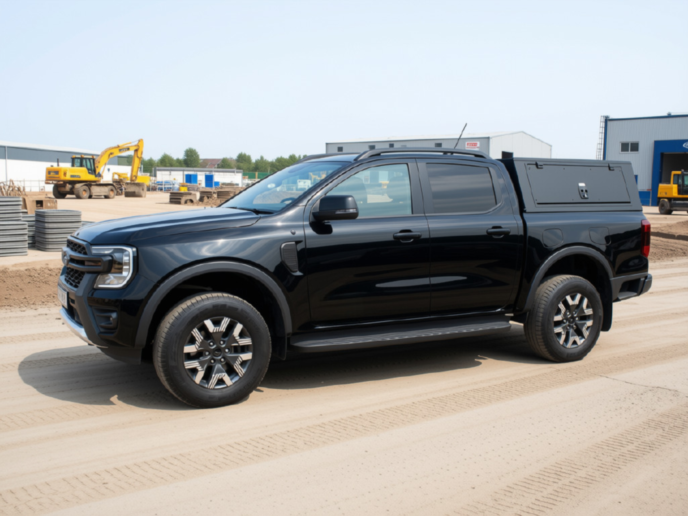
Ford has introduced a new two-seat version of the Ranger Wildtrak, giving UK businesses another way to combine pickup capability with a more practical goods-carrying layout.
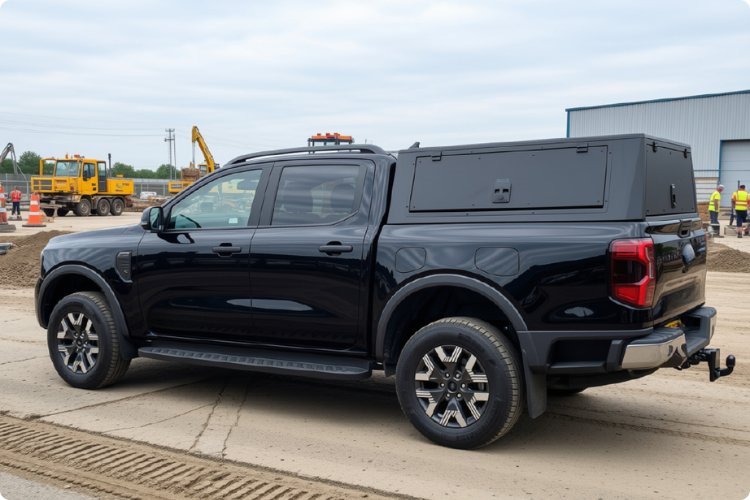
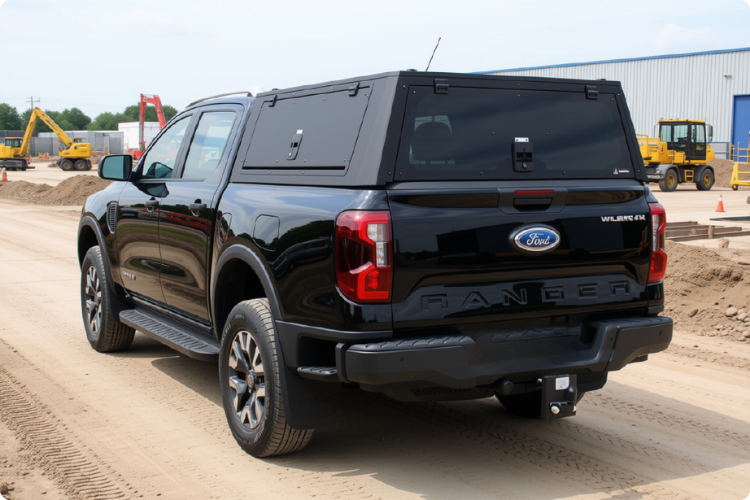
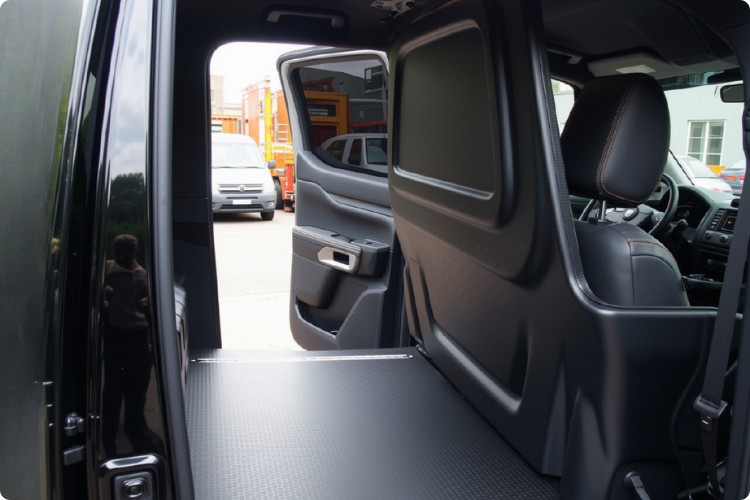
The Ford Ranger Wildtrak 2-Seat takes the familiar Ranger and replaces the rear passenger area with additional load space. Rather than simply removing the rear seats, Ford has created a dedicated internal load area designed specifically around the needs of businesses carrying tools, equipment and other valuable items.
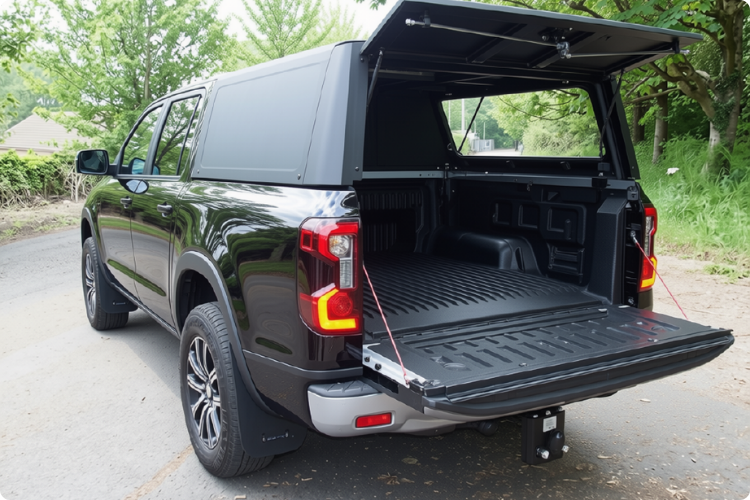
The pickup’s conventional load bed remains in place, meaning operators get the best of both worlds: an enclosed area behind the front seats for equipment that needs additional protection, alongside an open rear bed for larger, bulkier or dirtier loads.
The new configuration is particularly interesting for businesses that have little need to carry rear passengers.
It also arrives at an important time for the UK pickup market, with the tax treatment of double-cab pickups making vehicle classification increasingly important for business users.
Ford describes the new Ranger 2-Seat as engineered for the carrying of goods, with eligible customers potentially able to claim 100% plant and machinery allowance and apply the flat-rate company van Benefit-in-Kind (BiK) treatment. Businesses should always check their individual circumstances with a qualified tax adviser before making a vehicle decision.
Ford Ranger Wildtrak 2-Seat: Key Specifications
| Specification | Ford Ranger Wildtrak 2-Seat PHEV |
|---|---|
| Engine | 2.3-litre EcoBoost petrol |
| Electric Motor | 75kW |
| Transmission | 10-speed automatic |
| Drive | Four-wheel drive |
| Electric Range | Up to 27 miles |
| Payload | Up to 1,000kg |
| Towing Capacity | Up to 3,500kg |
| Seats | 2 |
| Body Style | Pickup |
| Fuel Type | Plug-in hybrid |
| Pro Power Onboard | Available |
| Commercial Focus | Goods carrying |
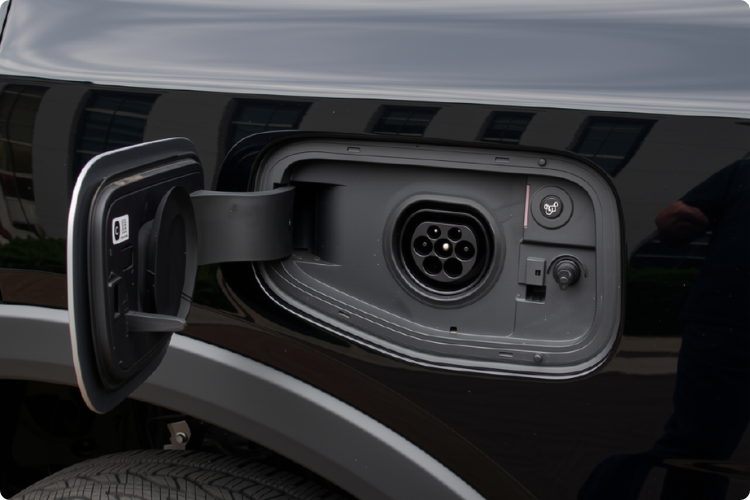
Ford’s current UK information confirms the Ranger PHEV uses a 2.3-litre EcoBoost engine and 75kW electric motor, with up to 27 miles of electric driving range. Ford also states that the Ranger maintains its towing and load-carrying capability.
Why Has Ford Introduced A Two-Seat Ranger?
The introduction of the Ranger 2-Seat gives businesses an alternative to the traditional double-cab pickup.
For years, the double-cab pickup has been popular with businesses because it combines passenger accommodation with a large load bed.
However, not every business actually needs five seats.
This is particularly relevant following the UK’s double-cab pickup tax changes, which have made vehicle classification an important consideration for businesses choosing a pickup.
A vehicle that normally carries one driver, or perhaps a driver and one passenger, can potentially make better use of its available space by turning the rear cabin into dedicated storage.
That is exactly what Ford has done with the Ranger 2-Seat.
The rear seats have been removed and replaced with a purpose-built load area, creating a vehicle that is more clearly focused on transporting goods rather than people.
What Has Ford Changed?
The Ranger 2-Seat is more than a standard Ranger with the rear seats taken out.
Ford has created a dedicated internal load compartment behind the front seats.
The Ranger 2-Seat is also a good example of how commercial vehicle conversions can adapt a standard vehicle to meet a specific business requirement.
This incorporates a fixed bulkhead, flat load floor and heavy-duty lashing points, allowing equipment to be secured properly while keeping the load separate from the occupants.
The rear side windows are replaced by aluminium panels, while steel mesh protection is used around the rear window.
Ford also describes the internal load area as a secure, heated space for high-value items, which could be particularly useful for businesses carrying expensive tools and equipment.
This makes the new configuration considerably more useful than simply losing the rear seats.
The space has effectively been turned into another working area.
Extra Storage Without Losing The Pickup Bed
One of the biggest advantages of the Ranger 2-Seat is that the conversion does not sacrifice the vehicle’s conventional pickup bed.
That means businesses can use the internal rear compartment for smaller or more valuable equipment while retaining the open load bed for larger items.
For example, a contractor could keep power tools, hand tools and other expensive equipment inside the enclosed compartment while using the rear bed for timber, materials, machinery or equipment that is better suited to open-air transportation.
This gives the Ranger a level of flexibility that could be particularly useful for businesses working in demanding environments.
Businesses can also tailor a pickup for specific working requirements with accessories such as roller shutters, tow bars and load-bed protection, helping to make the vehicle better suited to its day-to-day role.
Potential users include:
• Forestry businesses
• Farmers and agricultural contractors
• Construction companies
• Utility operators
• Ground maintenance businesses
• Infrastructure contractors
• Mobile engineers
• Site maintenance teams
For these operators, the ability to carry equipment securely can be more valuable than having a second row of passenger seats.
Ford Ranger Wildtrak PHEV Powertrain
The Ranger Wildtrak 2-Seat is available with Ford’s plug-in hybrid powertrain, combining a 2.3-litre EcoBoost petrol engine with a 75kW electric motor.
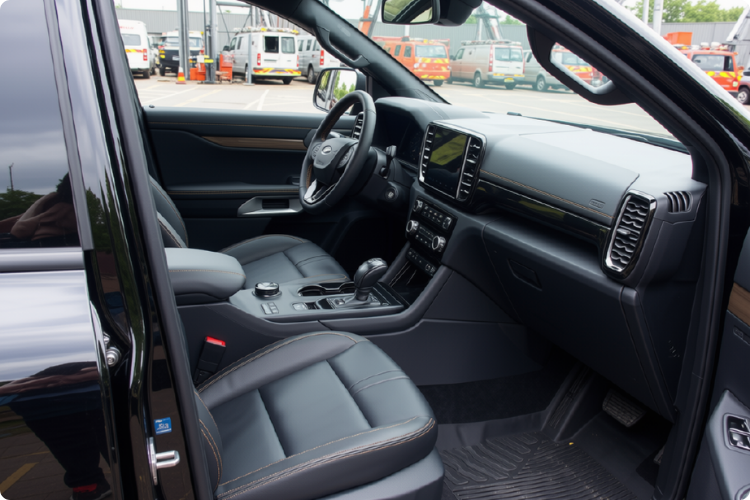
Power is delivered through a 10-speed automatic transmission, while four-wheel drive remains part of the Ranger’s working capability.
Ford currently quotes an electric driving range of up to 27 miles for the Ranger PHEV.
That makes the powertrain particularly interesting for businesses with mixed driving requirements.
A company operating from a depot could potentially complete shorter local journeys using electric power, while retaining the petrol engine for longer-distance work.
The PHEV therefore offers a compromise between a conventional combustion-engined pickup and a fully electric commercial vehicle.
For businesses that regularly travel long distances and have limited access to charging, however, the relatively short electric-only range needs to be considered.
How Does The Ranger 2-Seat Drive?
The Ranger has established a reputation for combining traditional pickup capability with a relatively refined driving experience.
The PHEV version adds electric assistance to that formula, providing smooth power delivery alongside the petrol engine.
The automatic transmission also makes the Ranger easier to operate in everyday traffic, particularly for businesses that spend part of their working day travelling between customers or different sites.
At the same time, the Ranger retains the characteristics that make a pickup useful away from normal roads.
The vehicle can be used on construction sites, farms, forestry tracks and other areas where a conventional passenger car or front-wheel-drive van may not be suitable.
Ford’s Terrain Management System allows the vehicle’s settings to be adapted to different driving conditions.
A 1,000kg Payload
The Ranger 2-Seat retains a one-tonne payload capability, giving businesses substantial capacity for carrying tools, equipment and materials. Ford’s current information states that the two-seat configuration maintains the Ranger’s one-tonne payload and 3,500kg towing capacity.
For commercial users, payload is one of the most important specifications to consider.
Having a large load area is only useful if the vehicle can legally carry the required equipment.
The Ranger’s payload therefore makes it suitable for businesses that need to transport substantial amounts of equipment while retaining the flexibility of a pickup.
As always, operators need to check the payload of the exact specification they choose and ensure the vehicle is not overloaded.
Ranger 2-Seat: Payload And Towing Capability
The Ranger’s working credentials extend beyond its payload.
| Capability | Ranger Wildtrak 2-Seat PHEV |
|---|---|
| Maximum Payload | Up to 1,000kg |
| Maximum Braked Towing | Up to 3,500kg |
| Seats | 2 |
| Electric Range | Up to 27 miles |
| Drive | Four-wheel drive |
| Transmission | 10-speed automatic |
Ford confirms that the Ranger 2-Seat maintains 3,500kg towing capability and a one-tonne payload, although exact figures can vary according to specification and configuration.
That combination is one of the reasons a pickup remains attractive to certain commercial operators.
A business can potentially use the vehicle to carry tools and equipment during the working day while also towing a trailer, plant or other equipment when required.
Pro Power Onboard: Turning The Ranger Into A Mobile Power Source
Another feature that could appeal to commercial users is Pro Power Onboard.
Available with the Ranger PHEV, the system allows the vehicle to provide electrical power directly to compatible equipment.
That can be particularly useful for mobile workers who regularly operate away from a mains electricity supply.
A contractor working on a remote site, for example, could potentially use the Ranger as a mobile source of electrical power rather than carrying a separate generator.
This could be useful for:
• Power tools
• Construction equipment
• Site equipment
• Agricultural machinery
• Maintenance equipment
The system adds another layer of practicality to the Ranger’s role as a working vehicle.
There is, however, a trade-off.
Using the vehicle’s battery to power equipment consumes electrical energy that could otherwise be used for electric driving.
Businesses therefore need to consider whether the vehicle will primarily be used for electric driving, mobile power generation, or a mixture of both.
The Tax Advantage Of The Ranger 2-Seat
For many businesses, the biggest attraction of the Ranger 2-Seat could be its tax treatment.
Ford specifically markets the vehicle as a goods-carrying configuration and states that eligible customers should be able to claim 100% plant and machinery allowance and apply the flat-rate company van BiK.
That is an important distinction for businesses considering whether they actually need a five-seat pickup.
The two-seat configuration is designed around commercial use rather than passenger carrying, making its classification particularly relevant.
However, businesses should not assume that the same tax treatment automatically applies in every situation.
The treatment of a vehicle can depend on how it is classified, acquired and used, so professional tax advice should always be obtained before relying on a particular tax outcome.
Ranger 2-Seat Vs Double Cab
The biggest question for a business considering the new Ranger is straightforward:
Do you actually need the rear seats?
If the answer is yes, a conventional Double Cab remains the obvious choice. The standard Ford Ranger remains a strong option for businesses that want the flexibility of a pickup without moving to the dedicated two-seat configuration.
Ford describes the Double Cab as providing a full second row of seats while retaining the Ranger’s payload, towing and off-road capabilities.
If rear passenger accommodation is rarely required, however, the two-seat configuration becomes much more interesting.
| Feature | Ranger 2-Seat | Ranger Double Cab |
|---|---|---|
| Seats | 2 | Up to 5 |
| Rear Area | Dedicated load space | Rear passenger seating |
| Secure Internal Storage | Yes | No dedicated converted load area |
| Pickup Load Bed | Yes | Yes |
| Primary Focus | Goods carrying | People and goods |
| PHEV Available | Yes | Yes |
| Best Suited To | Tools, equipment and materials | Crews and mixed passenger/cargo use |
| Potential Van BiK Treatment | Eligible customers | Depends on classification and use |
The Ranger is not the only double-cab pickup available to UK businesses. The Volkswagen Amarok Dark Label provides another approach, combining a premium double-cab interior with 4MOTION four-wheel drive, up to 3,500kg towing capacity and a distinctive new exterior design.
The choice therefore comes down to what the business actually needs to carry.
If the answer is people, choose the Double Cab.
If the answer is equipment, the two-seat Ranger could make considerably more sense.
A Pickup For Trades And Commercial Operators
The Ranger has long been popular with businesses that need more capability than a conventional van can provide.
Its combination of an open load bed, towing ability, four-wheel drive and off-road capability makes it useful in sectors where vehicles regularly have to leave the road.
Pickups continue to be a popular choice for UK businesses that need a combination of load-carrying ability, towing capacity and off-road capability, particularly where a conventional van may not be suitable.
The two-seat version takes that commercial focus further.
A tradesperson can potentially use the internal storage compartment for expensive tools while retaining the rear bed for materials.
That could make the Ranger 2-Seat an interesting alternative to a conventional panel van for certain businesses.
For businesses considering their pickup options, CVC’s Pickup Truck Leasing page provides further information on leasing pickups for UK businesses.
How Does The Ranger 2-Seat Compare With A Van?
The Ranger 2-Seat is not intended to replace a large panel van for every business.
A conventional van will generally provide considerably more enclosed load volume.
However, there are situations where a pickup is the better choice.
Businesses working on farms, construction sites, forestry locations or other difficult terrain may benefit from the Ranger’s four-wheel-drive capability, towing ability and open load bed.
The new enclosed storage area then provides somewhere to keep tools and equipment that would otherwise be exposed in the pickup bed.
For businesses needing a combination of secure storage, off-road capability, towing and an open load area, the Ranger offers something quite different from a traditional panel van.
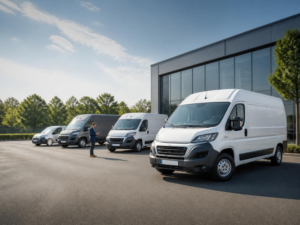
CVC also offers a range of Business Van Leasing options for businesses that would be better suited to a conventional commercial vehicle.
Is The Ranger PHEV Suitable For Long-Distance Business Use?
The PHEV system is potentially useful for businesses with mixed driving patterns, but its electric range needs to be understood.
Ford currently quotes up to 27 miles of electric driving range, meaning the PHEV is most likely to provide the greatest benefit when the vehicle can be charged regularly and a reasonable proportion of daily journeys are relatively short.
For longer journeys, the petrol engine provides the additional flexibility required.
This means the Ranger PHEV sits somewhere between a conventional petrol or diesel pickup and a fully electric commercial vehicle.
A business covering short local journeys during the day may be able to make good use of the electric capability.
A business covering hundreds of motorway miles every day, with limited charging opportunities, may see considerably less benefit.
A More Commercial Ranger
The Ford Ranger is already one of the UK’s most recognisable pickups, and the introduction of the two-seat configuration gives businesses another way to use it.
Rather than simply removing the rear seats, Ford has turned the area into a dedicated working space.
The result is a pickup offering:
• Dedicated enclosed storage
• Up to 1,000kg payload
• Up to 3,500kg towing capability
• A separate pickup load bed
• PHEV technology
• Four-wheel drive
• Available Pro Power Onboard
• A goods-focused interior
• Potential commercial tax advantages for eligible customers
For the right business, that combination could be considerably more useful than having a second row of seats that is rarely occupied.
Who Should Consider The Ford Ranger Wildtrak 2-Seat?
The Ranger 2-Seat is particularly worth considering for businesses where the vehicle normally carries one or two people and spends much of its working life transporting equipment.
Potential users include:
• Farmers and agricultural businesses
• Forestry operators
• Construction companies
• Utility companies
• Ground maintenance businesses
• Mobile engineers
• Infrastructure contractors
• Site maintenance teams
• Tradespeople carrying valuable tools
The common factor is the need for a vehicle that can carry equipment while dealing with demanding working environments.
For tradespeople comparing different vehicle types, CVC’s guide to the best vans for tradespeople covers a wider range of commercial van options and the requirements of different trades.
For these users, losing the rear seats may actually be an advantage rather than a compromise.
Ford Ranger Wildtrak 2-Seat: A Different Kind Of Pickup
The new Ranger 2-Seat takes an established pickup formula and gives it a much stronger commercial focus.
Instead of using the rear of the cabin for passengers, Ford has created an enclosed working area for tools and equipment.
Combined with the existing load bed, substantial towing capacity, one-tonne payload and available PHEV powertrain, the result is a vehicle that could suit businesses that need considerably more versatility than a conventional passenger vehicle can provide.
For operators that rarely carry more than two people, the two-seat Ranger could therefore be a more logical choice than the conventional Double Cab.
And with Ford specifically highlighting the potential commercial tax benefits of the configuration, it is likely to attract attention from businesses looking for a pickup that is designed around the way they actually work.
The Ford Ranger Wildtrak 2-Seat is not simply a Ranger with fewer seats. It is a Ranger configured to put the business first.
 Call our expert team on