Ultra-Fast Charging Could Remove One of the Biggest Barriers to EV Ownership
The electric vehicle market could be approaching a major turning point as manufacturers continue to invest in faster charging technology. New research suggests that BYD’s planned five-minute charging system could significantly improve consumer confidence and help address one of the biggest concerns surrounding electric vehicles: charging convenience.
According to research from Startline Motor Finance, nine out of 10 used car dealers believe BYD’s upcoming ultra-fast charging technology could become a major breakthrough for electric vehicle adoption.
The research, published in the July edition of the Startline Used Car Tracker, found that 90% of dealers believe BYD’s planned five-minute charging capability could be a “game changer” for the EV market.
A further 78% said technology capable of charging an electric vehicle in around the same time it takes to refuel a petrol or diesel vehicle could make EV ownership much more appealing to drivers.
As the UK continues its transition towards zero-emission motoring, faster and more accessible charging solutions are expected to play an increasingly important role in encouraging more motorists and businesses to make the switch. Government targets such as the ZEV Mandate are also accelerating the move towards electric vehicles by increasing pressure on manufacturers to expand their zero-emission vehicle offering.
Businesses considering the switch to electric vehicles can explore the benefits of electric vehicle leasing, helping them access the latest EV technology while managing upfront costs.
Could Five-Minute Charging Make EVs More Convenient Than Ever?
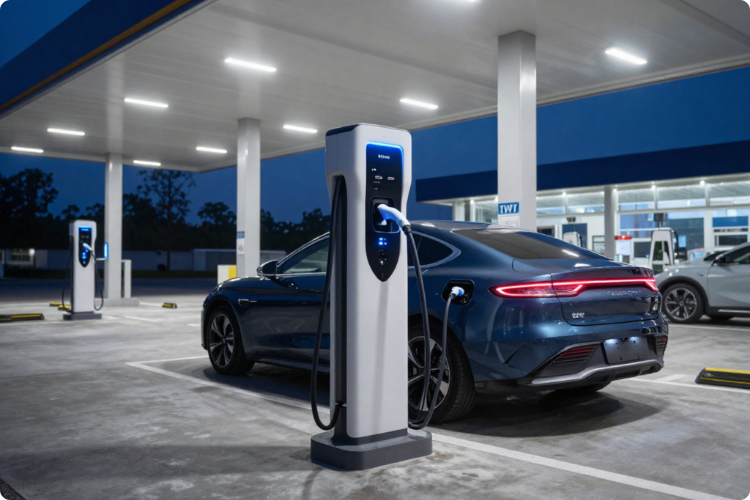
One of the most common concerns among drivers considering an electric vehicle is charging time. While modern EVs can already provide impressive driving ranges, many consumers still associate electric vehicles with long charging stops and complicated charging processes. From installing workplace chargers to supporting employees who charge at home, businesses need the right EV charging strategy before making the switch.
Understanding charging options, including home, workplace and public charging solutions, is becoming increasingly important for businesses planning their EV transition.
BYD’s planned flash charging technology aims to challenge that perception.
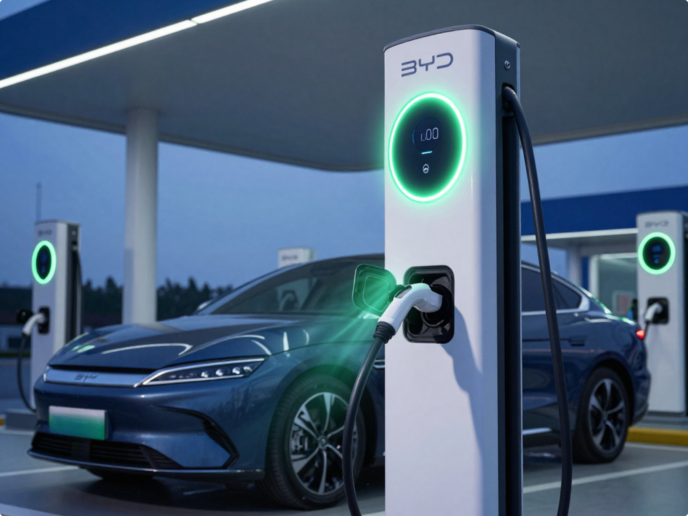
The manufacturer has stated that certain future models could achieve a 10% to 70% battery charge in approximately five minutes when used with its dedicated high-speed charging infrastructure.
If successfully introduced at scale, this could dramatically change how drivers think about charging. Instead of planning journeys around charging stops, EV drivers could potentially experience a process much closer to traditional fuel station visits.
For businesses operating electric vehicle fleets, this could also provide significant benefits by reducing vehicle downtime and improving operational efficiency.
Many businesses are already exploring electric fleets to reduce running costs, improve sustainability and prepare for future transport changes.
Faster Charging Could Help Solve the Home Charging Challenge
While many EV drivers benefit from having access to a home charger, this option is not available to everyone.
Drivers living in flats, apartments, terraced properties, or urban areas without private parking often face additional challenges when switching to an electric vehicle.
The Startline research highlighted how faster charging technology could help overcome this issue, with 31% of dealers believing ultra-fast charging could make EVs more accessible for people who cannot install a home charger.
Currently, access to convenient public charging remains one of the key considerations for many potential EV buyers. However, if charging times become comparable to filling up a conventional vehicle with fuel, reliance on overnight home charging could become less important.
This could be particularly beneficial for company car drivers and employees using electric vehicles through workplace schemes, salary sacrifice arrangements, or business leasing agreements. Employees are increasingly accessing electric vehicles through salary sacrifice schemes, which have become a popular route into EV ownership.
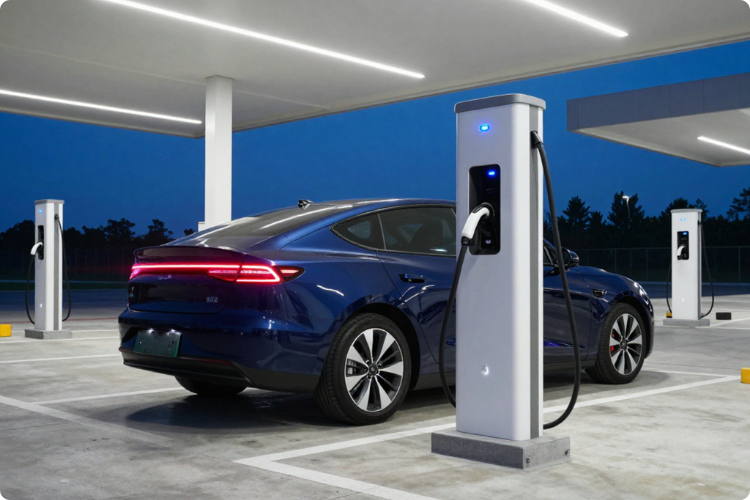
Public Charging Networks Could Begin Operating More Like Fuel Stations
Another potential advantage of ultra-fast charging is the way it could change public charging behaviour.
More than half of dealers surveyed by Startline (53%) believe this technology could allow public charging points to operate more like traditional petrol stations, where drivers simply arrive, charge quickly and continue their journey.
Currently, charging availability, charging speeds and waiting times remain key concerns for many drivers. A future network of high-speed chargers could help improve confidence and make EV ownership feel more familiar for those who have yet to make the switch.
However, widespread adoption would depend on significant investment in charging infrastructure, grid capacity and the availability of compatible charging locations across the UK.
Other Manufacturers Could Be Forced to Respond
The arrival of faster charging technology could also increase competition between EV manufacturers.
The Startline research found that 87% of dealers believe rival car makers will need to develop their own ultra-fast charging solutions to compete with BYD.
While some manufacturers have shown interest in similar approaches, there are still discussions around the potential impact of extremely rapid charging on battery performance, efficiency and long-term durability.
Battery technology is continuing to evolve quickly, with manufacturers balancing charging speed, vehicle range, production costs and battery lifespan. Advances in battery technology are also helping improve EV safety, reliability and long-term performance.
The future EV market could see manufacturers adopting different strategies, with some focusing on maximum charging speed while others prioritise battery longevity and efficiency.
What Does Faster EV Charging Mean for Businesses and Fleets?
For businesses considering electric vehicles, charging convenience is one of the most important factors when planning fleet electrification.
Leasing providers are also playing an important role in helping businesses transition to electric vehicles by offering guidance on vehicle selection, charging requirements and fleet planning.
Commercial operators need vehicles that can remain productive, minimise downtime and support daily business operations.
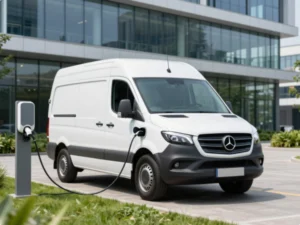
Faster charging could make electric vans, cars and commercial vehicles more practical for a wider range of businesses, particularly those with drivers covering high mileages or operating across multiple locations. This could be particularly valuable for businesses operating electric vans, where reducing charging downtime is essential for maintaining productivity.
As charging technology improves, businesses may find it easier to transition from petrol and diesel vehicles to electric alternatives without compromising productivity.
Companies exploring the benefits of switching to electric vehicles can also benefit from specialist advice on vehicle selection, charging requirements and fleet planning.
The Future of Electric Vehicle Charging
The development of five-minute charging technology represents another major step forward in the evolution of electric vehicles.
Although challenges remain, including charging infrastructure investment and battery technology development, faster charging has the potential to remove one of the biggest obstacles preventing wider EV adoption.
As manufacturers continue competing to deliver quicker, more efficient and more convenient charging solutions, electric vehicles could become an increasingly attractive option for private motorists and UK businesses alike.
 Call our expert team on