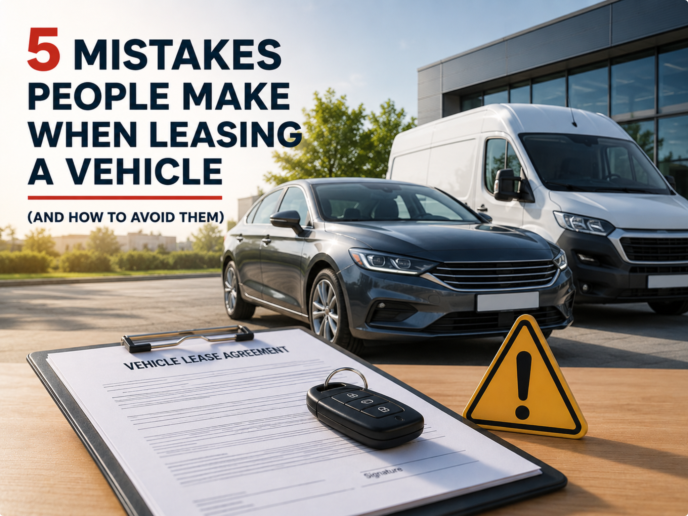
Vehicle leasing has become one of the most popular ways to drive a new vehicle. Whether you’re looking for lower monthly payments, access to the latest models, or the flexibility of changing vehicles every few years, leasing can be an attractive alternative to buying.
However, while leasing offers many benefits, it’s important to understand exactly what you’re signing up for. Many drivers make avoidable mistakes that can lead to unexpected costs, frustration, or choosing a vehicle that doesn’t suit their needs.
If you’re considering leasing your next vehicle, here are five common mistakes to avoid and some practical tips to help you get the most from your agreement.
1. Focusing Only on the Monthly Payment
One of the most common mistakes people make when comparing lease deals is looking only at the monthly payment.
While it’s understandable to focus on affordability, the cheapest monthly payment doesn’t always represent the best overall value. Lease agreements can vary significantly in terms of contract length, initial rental, mileage allowance, maintenance packages, and end-of-contract conditions.
For example, a vehicle advertised at a lower monthly cost may require a larger upfront payment or include a much lower mileage allowance. In some cases, the overall cost of the lease can actually be higher than a seemingly more expensive alternative.
Before making a decision, consider the following:
- How much is required upfront?
- What is the total cost over the full lease term?
- Does the agreement include maintenance?
- Is the mileage allowance suitable for your needs?
- Are there any additional fees or charges?
Looking at the complete picture rather than just the monthly payment can help you make a more informed decision and avoid unexpected costs later.
2. Underestimating Your Annual Mileage
Mileage is one of the most important aspects of any lease agreement, yet it’s often overlooked.
Most leasing contracts include a pre-agreed annual mileage allowance. If you exceed this allowance, you’ll typically be charged for every additional mile driven.
Many customers choose a lower mileage allowance because it reduces their monthly payments. While this may seem like a good way to save money, it can become expensive if your driving habits change.
Imagine choosing an allowance of 8,000 miles per year to reduce your monthly costs. If you end up driving 12,000 miles annually, those additional miles could result in substantial excess mileage charges when the vehicle is returned.
To choose the right mileage allowance:
- Review your current driving habits.
- Check previous MOT records or service documents.
- Consider commuting requirements.
- Think about holidays and long-distance travel.
- Factor in any anticipated lifestyle changes.
Being realistic about your mileage requirements from the beginning can save money and prevent unpleasant surprises at the end of the agreement.
3. Ignoring Fair Wear and Tear Guidelines
Another common mistake is misunderstanding what is considered acceptable wear and tear.
All leased vehicles are expected to show signs of normal use. However, excessive damage can result in repair charges when the vehicle is returned.
Examples of acceptable wear and tear may include:
- Minor stone chips
- Small scratches within accepted guidelines
- Normal tyre wear
Examples of damage that may incur charges include:
- Deep scratches
- Significant dents
- Cracked windscreens
- Damaged alloy wheels
- Interior stains or tears
- Missing keys or accessories
The best way to avoid unexpected charges is to look after the vehicle throughout the lease period and arrange repairs when necessary.
Before returning the vehicle, conduct a thorough inspection. Identifying and addressing any issues early can often be more cost-effective than paying end-of-contract charges.
4. Choosing the Wrong Vehicle
A vehicle lease typically lasts between two and four years, which means you’ll be spending a significant amount of time with your chosen vehicle.
Unfortunately, some people choose a vehicle based solely on appearance, a promotional offer, or a recommendation from someone else without fully considering their own needs.
Before selecting a vehicle, ask yourself:
- How many passengers do you regularly carry?
- Do you need a larger boot space?
- Will you be driving mainly in urban areas or on motorways?
- Would a hybrid or electric vehicle be more cost-effective?
- Do you need advanced technology or safety features?
For example, a compact hatchback may seem ideal today, but it could quickly become impractical if your family grows or your commuting requirements change.
Similarly, drivers covering significant annual mileage may benefit from vehicles designed for long-distance comfort and fuel efficiency.
Taking the time to assess your lifestyle and future requirements can help ensure you’re satisfied with your choice throughout the lease term.
5. Failing to Read the Lease Agreement Properly
Many people are eager to secure their new vehicle and overlook the details contained within the lease agreement.
While lease contracts are generally straightforward, they contain important information that every customer should understand before signing.
Key areas to review include:
- Mileage limits
- Excess mileage charges
- Early termination conditions
- Vehicle maintenance responsibilities
- Return procedures
- End-of-contract charges
- Insurance requirements
If there is anything you don’t understand, ask questions before proceeding.
A reputable leasing provider will be happy to explain the agreement and ensure you fully understand your responsibilities.
Spending a little extra time reviewing the contract can prevent misunderstandings and provide peace of mind throughout the lease period.
Signs That Leasing May Not Be Right for You
Although leasing works well for many drivers, it’s not always the best solution for everyone.
You may want to consider alternative options if:
- You Drive Extremely High Annual Mileage
Drivers who regularly exceed standard mileage allowances may find ownership more cost-effective over time.
- You Like Modifying Vehicles
Most lease agreements prohibit modifications without approval. If you enjoy customising your vehicles, leasing may not be the ideal choice.
- You Prefer Long-Term Ownership
Some people enjoy owning their vehicle outright and driving it for many years. In these cases, purchasing may offer better long-term value.
- You Need Complete Flexibility
Ending a lease agreement early can involve charges, so leasing is generally better suited to people whose vehicle requirements are relatively stable.
Vehicle Leasing Checklist
Before signing a lease agreement, run through this simple checklist:
✓ Determine your monthly budget
✓ Calculate realistic annual mileage
✓ Compare the total contract cost
✓ Understand the initial rental payment
✓ Review maintenance options
✓ Check insurance requirements
✓ Read all terms and conditions carefully
✓ Understand return standards
✓ Ask questions about anything you’re unsure of
✓ Choose a vehicle that suits your long-term needs
Completing these steps can significantly reduce the risk of costly mistakes and help you find the most suitable lease agreement.
Frequently Asked Questions
Can I end my vehicle lease early?
Most leasing agreements allow early termination, but charges may apply. The exact terms will vary depending on the contract, so it’s important to review the agreement before signing.
What happens at the end of a lease?
In most cases, the vehicle is returned to the leasing company. The vehicle will be inspected for mileage and condition before the agreement is formally concluded.
Can I buy the vehicle at the end of the lease?
This depends on the type of agreement. Some lease products may offer a purchase option, while others require the vehicle to be returned.
What happens if I exceed my mileage allowance?
You may be charged an excess mileage fee based on the number of miles driven above your agreed allowance.
Is vehicle leasing a good idea?
For many drivers, leasing offers an affordable way to drive a new vehicle with predictable monthly payments and access to the latest technology. However, it’s important to choose the right agreement and fully understand the terms before committing.
Vehicle leasing can be an excellent solution for drivers who want flexibility, lower monthly costs, and access to newer vehicles without the commitment of ownership.
However, like any financial agreement, it’s important to do your research and understand the details before signing.
By avoiding these five common mistakes—focusing only on monthly payments, underestimating mileage, ignoring wear and tear guidelines, choosing the wrong vehicle, and failing to read the contract—you’ll be in a much stronger position to enjoy a smooth and cost-effective leasing experience.
If you’re considering leasing a vehicle and would like expert advice, our team is always available to help you compare options and find a lease agreement that suits your lifestyle, budget, and driving requirements.
 Call our expert team on