If you’re choosing a van for business, fuel economy can have a major impact on your overall running costs. The more miles a van covers each week, the more important its fuel consumption becomes, particularly for businesses operating several vehicles.
The best MPG vans can help reduce fuel costs without compromising the load space, payload or practicality needed for day-to-day work. However, fuel economy varies considerably between different vans, engines, transmissions, body sizes and vehicle configurations.
So, what is the best MPG van in the UK?
This guide looks at some of the most fuel-efficient vans available in the UK, comparing their official fuel economy figures and explaining what to consider when choosing an economical van for your business.
Important: MPG figures quoted by manufacturers are based on the official WLTP testing procedure. They are useful for comparing vehicles tested under the same conditions, but real-world fuel consumption can vary depending on driving style, traffic, weather, vehicle load, accessories and other factors.
Best MPG Vans UK: At A Glance
If fuel economy is a priority, there are several modern vans worth considering. However, the most economical option for your business will depend on the size of van you need, the engine and transmission selected, your typical mileage and how much weight you carry.
| Van | Fuel Type | Maximum Combined WLTP MPG | Van Size |
|---|---|---|---|
| Volkswagen Caddy | Diesel | Up to 57.6mpg | Small |
| Peugeot Partner | Diesel | Up to 54.4mpg | Small |
| Citroën Berlingo | Diesel | Up to 54.4mpg | Small |
| Fiat Doblò | Diesel | Up to 54.4mpg | Small |
| Vauxhall Combo | Diesel | Up to 54.4mpg | Small |
| Ford Transit Courier | Diesel | Up to 54.3mpg | Small |
| Ford Transit Connect | Diesel | Up to 54.3mpg* | Small |
| Mercedes-Benz Citan | Diesel | Up to 53.3mpg | Small |
| Renault Kangoo | Diesel | Up to 53.3mpg | Small |
| Toyota Proace City | Diesel | Up to 52.3mpg | Small |
*Official MPG varies according to engine, gearbox, body length, trim level, wheels, payload and other vehicle specifications.
The 10 Most Fuel-Efficient Vans In The UK
The vans below are among the most fuel-efficient new small vans available in the UK based on their maximum published combined WLTP fuel-economy figures.
Official figures can vary significantly between individual versions of the same van. Body length, engine, gearbox, wheel size, trim, payload and optional equipment can all affect the published result. Real-world fuel economy can also differ from official WLTP figures.
1. Volkswagen Caddy
The Volkswagen Caddy is one of the most fuel-efficient small vans available in the UK, with selected diesel versions achieving up to 57.6mpg under official WLTP testing.
Its compact dimensions make it particularly well suited to businesses operating in towns and cities, while the practical load area gives it enough versatility for tradespeople, couriers and service businesses.
Volkswagen Caddy MPG
| Specification | Maximum Combined WLTP MPG |
|---|---|
| 2.0 TDI diesel | Up to 57.6mpg |
Why Choose The Volkswagen Caddy?
- Excellent official fuel economy
- Compact dimensions make it easy to manoeuvre
- Practical load area for a small van
- Efficient diesel engine options
- Suitable for a wide range of businesses
2. Peugeot Partner
The Peugeot Partner is another highly economical small van, with selected 1.5-litre BlueHDi diesel versions achieving up to 54.4mpg combined under WLTP testing.
Peugeot Partner MPG
| Specification | Maximum Combined WLTP MPG |
|---|---|
| 1.5 BlueHDi 100 manual | Up to 54.4mpg |
| 1.5 BlueHDi 130 automatic | Up to 51.9mpg |
Why Choose The Peugeot Partner?
- Strong fuel economy
- Compact and easy to manoeuvre
- Practical load space
- Available in different body lengths
- Suitable for urban and mixed business use
3. Citroën Berlingo
The Citroën Berlingo remains one of the most economical small vans available to UK businesses.
Citroën Berlingo MPG
| Specification | Maximum Combined WLTP MPG |
|---|---|
| 1.5 BlueHDi 100 manual | Up to 54.4mpg |
| 1.5 BlueHDi 130 automatic | Up to 51.9mpg |
Why Choose The Citroën Berlingo?
- Excellent official fuel economy
- Compact and easy to manoeuvre
- Practical load space
- Available in different body lengths
- Diesel and electric versions available
4. Fiat Doblò
The Fiat Doblò is another strong performer in the small-van sector, with its 1.5-litre diesel engine offering up to 54.4mpg combined in selected configurations.
Fiat Doblò MPG
| Specification | Maximum Combined WLTP MPG |
|---|---|
| 1.5 Multijet3 100PS manual | Up to 54.4mpg |
| 1.5 Multijet3 130PS automatic | Up to 51.9mpg |
Why Choose The Fiat Doblò?
- Excellent official fuel economy
- Practical load area
- Choice of body lengths
- Compact dimensions
- Diesel and electric versions available
5. Vauxhall Combo
The Vauxhall Combo is another economical small van, with selected 1.5-litre diesel versions achieving up to 54.4mpg combined under WLTP testing.
Vauxhall Combo MPG
| Specification | Maximum Combined WLTP MPG |
|---|---|
| 1.5 Diesel 100PS manual | Up to 54.4mpg |
Why Choose The Vauxhall Combo?
- Strong fuel economy
- Compact dimensions
- Practical load space
- Electric version also available
- Well suited to urban and mixed-use businesses
6. Ford Transit Courier
The Ford Transit Courier is one of the smallest vans in Ford’s commercial vehicle range and offers strong fuel economy in diesel form.
Ford Transit Courier MPG
| Specification | Maximum Combined WLTP MPG |
|---|---|
| 1.5 EcoBlue diesel | Up to around 54.3mpg |
Why Choose The Ford Transit Courier?
- Strong fuel economy
- Compact footprint
- Easy to manoeuvre in towns and cities
- Useful load area for a small van
- Available with different powertrain options
Ford Transit Courier Van Leasing
7. Ford Transit Connect
The Ford Transit Connect sits between the compact Courier and larger medium vans, providing additional load space while retaining relatively strong fuel economy.
Ford Transit Connect MPG
| Specification | Maximum Combined WLTP MPG |
|---|---|
| 2.0 EcoBlue diesel | Around 52–54mpg depending on specification |
Why Choose The Ford Transit Connect?
- Good fuel economy
- More load space than the Transit Courier
- Practical choice for growing businesses
- Available in different configurations
- PHEV option available
Ford Transit Connect Van Leasing
8. Mercedes-Benz Citan
The Mercedes-Benz Citan combines compact dimensions with strong diesel fuel economy.
Mercedes-Benz Citan MPG
| Specification | Maximum Combined WLTP MPG |
|---|---|
| Citan 110 diesel L1 | Up to 53.3mpg |
| Citan 110 diesel L2 | Around 51.4mpg |
Why Choose The Mercedes-Benz Citan?
- Strong official fuel economy
- Compact dimensions
- Practical load area
- Automatic transmission available
- Suitable for urban and mixed-use businesses
Mercedes-Benz Citan Van Leasing
9. Renault Kangoo
The Renault Kangoo is another highly economical small van, with selected Blue dCi diesel versions achieving up to 53.3mpg combined under WLTP testing.
Renault Kangoo MPG
| Specification | Maximum Combined WLTP MPG |
|---|---|
| Blue dCi 95 manual | Up to 53.3mpg |
| Blue dCi 95 LWB | Up to around 52.3mpg |
Why Choose The Renault Kangoo?
- Strong fuel economy
- Compact and practical
- Choice of body lengths
- Useful load-carrying capability
- Electric version also available
10. Toyota Proace City
The Toyota Proace City is a strong addition to the updated list of fuel-efficient vans.
Toyota Proace City MPG
| Specification | Maximum Combined WLTP MPG |
|---|---|
| 1.5 Diesel 100hp manual | Up to 52.3mpg |
| 1.5 Diesel 120hp | Lower, depending on specification |
Why Choose The Toyota Proace City?
- Strong official fuel economy
- Compact dimensions
- Practical load space
- Diesel and electric versions available
- Suitable for urban and mixed business use
Toyota Proace City Van Leasing
Medium Vans With The Best MPG
Renault Trafic – Up To 42.2mpg
The Renault Trafic remains one of the more economical choices in the medium van sector.
Renault Trafic MPG
| Specification | Maximum Combined WLTP MPG |
|---|---|
| Blue dCi 110 | Up to 42.2mpg |
| Blue dCi 150 | Up to 42.2mpg |
| Blue dCi 150 EAG9 automatic | Up to 40.9mpg |
| Blue dCi 170 EAG9 automatic | Up to 40.4mpg |
Why Choose The Renault Trafic?
- Strong fuel economy for a medium-sized van
- Large and practical load area
- Choice of diesel engines
- Automatic transmission available
- Suitable for a wide range of businesses
Ford Transit Custom – Up To 39.8mpg
The Ford Transit Custom remains one of the UK’s most popular medium vans and offers competitive fuel economy from its EcoBlue diesel engines.
Ford Transit Custom MPG
| Specification | Maximum Combined WLTP MPG |
|---|---|
| 2.0 EcoBlue 136PS manual FWD | Up to 39.8mpg |
| 2.0 EcoBlue 136PS automatic FWD | Up to 37.2mpg |
Why Choose The Ford Transit Custom?
- Competitive fuel economy
- Large and practical load area
- Wide range of specifications
- Diesel, PHEV and electric versions available
- Well suited to a wide range of business applications
Ford Transit Custom Van Leasing
Most Efficient Electric Vans in the UK (2026)
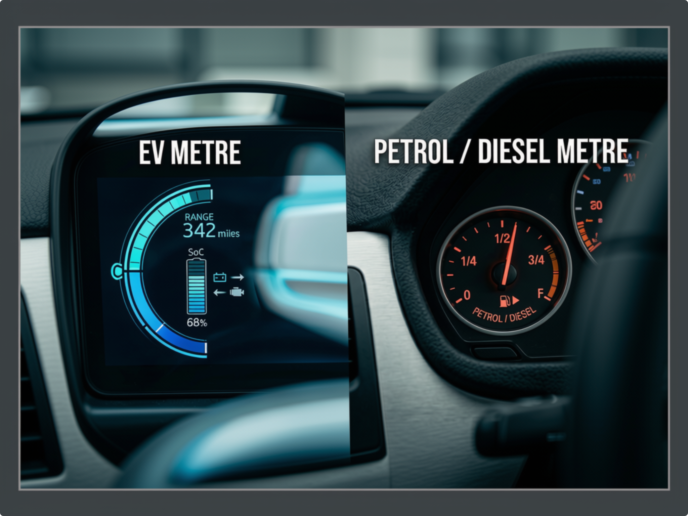
Electric vans do not use traditional MPG figures. Instead, efficiency is measured in miles per kWh or overall WLTP range. For many businesses with predictable routes and access to workplace or home charging, an electric van can deliver significantly lower running costs than even the most economical diesel models.
Here are some of the most efficient electric vans currently available in the UK:
| Electric Van | Battery Size | WLTP Range (approx.) | Best For |
|---|---|---|---|
| Maxus eDeliver 3 | 50.2 kWh | Up to 148 miles | Urban deliveries |
| Mercedes-Benz eCitan | 45 kWh | Up to 176 miles | Compact city work |
| Renault Kangoo E-Tech | 45 kWh | Up to 186 miles | Small business use |
| Toyota Proace City Electric | 50 kWh | Up to 205 miles | Mixed urban routes |
| Ford E-Transit Custom | 65–89 kWh | Up to 236 miles | Medium van duties |
| Vauxhall Vivaro Electric | 75 kWh | Up to 205 miles | Medium payload needs |
Key advantages of electric vans:
- Lower energy costs (especially with off-peak or workplace charging)
- Zero tailpipe emissions (important for Clean Air Zones and ULEZ)
- Quieter operation
- Potential tax and Benefit-in-Kind advantages
Things to consider:
- Real-world range is affected by payload, weather, driving style and use of heating/air conditioning
- Access to reliable charging is essential
- Higher upfront lease costs can sometimes be offset by lower running costs and grants
You can explore current electric van lease deals here:
Best Small Electric Vans
What Is The Best MPG Van In The UK?
There isn’t one single van that is automatically the best choice for every business.
When comparing vans, you should consider:
- Official WLTP fuel economy
- Engine size and power
- Manual or automatic transmission
- Van size and body length
- Payload
- Typical load
- Annual mileage
- Type of driving
- Purchase or leasing cost
- Maintenance and servicing costs
What Is MPG And Why Does It Matter For Vans?
MPG stands for miles per gallon and describes how far a vehicle can travel using one imperial gallon of fuel. Generally, the higher the MPG figure, the more fuel-efficient the vehicle.
Published MPG figures should be used primarily as a comparison tool. Real-world results can differ due to accessories, weather, driving style, vehicle load and payload.
Does A Higher MPG Always Mean A Cheaper Van To Run?
No. Fuel economy is only one part of a van’s overall running costs.
Businesses should consider the total cost of operating the vehicle, including:
- Fuel / energy costs
- Lease payments
- Insurance
- Servicing and maintenance
- Tyres
- Vehicle downtime
- Road tax
- Depreciation where relevant
What Factors Affect Van MPG?
1. Payload
A heavily loaded van requires more energy to move. Choosing a van with the correct payload capacity is essential.
2. Driving Style
Smooth acceleration and anticipation of traffic help improve fuel economy.
3. Type Of Journey
Motorway driving generally produces better MPG than stop-start urban work.
4. Vehicle Size
Larger vans use more energy, especially when heavily loaded.
5. Tyre Pressures
Incorrect pressures increase rolling resistance and fuel consumption.
6. Accessories And Conversions
Roof racks, ladder systems and refrigeration units all affect real-world economy.
Diesel vs Electric Vans: Which Is More Economical?
Electric vans do not have an MPG figure. Their efficiency is measured in electricity consumption.
Whether an electric van is cheaper to run depends on:
- Annual mileage
- Electricity costs
- Charging access
- Typical journey length
- Payload requirements
- Lease cost
For many businesses with suitable daily routes, electric vans can offer lower overall running costs than even the most efficient diesel models.
How Can I Improve My Van’s MPG?
- Avoid unnecessary weight
- Check tyre pressures regularly
- Accelerate smoothly
- Avoid excessive speeds
- Anticipate traffic
- Avoid unnecessary idling
- Keep the van properly maintained (Maintenance vs Warranty guide)
- Remove unused roof equipment
- Plan routes efficiently
- Use eco driving modes
 Call our expert team on
  Drop us a message