For many limited companies, having access to the right vehicles is essential for day-to-day operations. Whether you’re a newly incorporated business, growing SME, or established fleet operator, choosing how to fund your vehicles can have a significant impact on cash flow and business growth.
Rather than tying up valuable capital in vehicle purchases, many businesses choose leasing as a flexible and cost-effective way to access the latest vans, pickups, company cars, and specialist commercial vehicles.
In this guide, we explore the key benefits of leasing through a limited company and why it has become one of the most popular vehicle funding solutions for UK businesses.
Preserve Valuable Working Capital
One of the biggest advantages of leasing is that it allows businesses to retain cash within the company.
Instead of making a substantial upfront investment to purchase a vehicle outright, leasing spreads the cost through manageable monthly payments.
This allows businesses to keep funds available for:
- Recruitment
- Marketing
- Stock purchases
- Equipment and tools
- Business expansion
- Day-to-day operating costs
For many businesses, maintaining healthy cash flow is often more important than owning a depreciating asset.
Predictable Monthly Costs
Budgeting is significantly easier when vehicle costs are fixed.
Leasing agreements typically include fixed monthly rentals over an agreed term, helping businesses forecast costs more accurately and avoid unexpected financial strain.
This can be particularly beneficial for businesses operating multiple vehicles or managing growing fleets.
Businesses comparing different funding methods may also benefit from reading our guide on Business Contract Hire (BCH) – The Smart Way to Lease a Vehicle for Your Business.
If you’re considering a company car alongside commercial vehicles, our Business Car Leasing: The Complete Guide for Companies and Fleet Managers explains the key considerations and benefits.
Access Newer, More Reliable Vehicles
Vehicle reliability is critical for any business.
Downtime can result in missed appointments, delayed deliveries, unhappy customers, and lost revenue.
Leasing allows businesses to access newer vehicles with:
- Improved fuel efficiency
- Enhanced safety technology
- Modern driver assistance systems
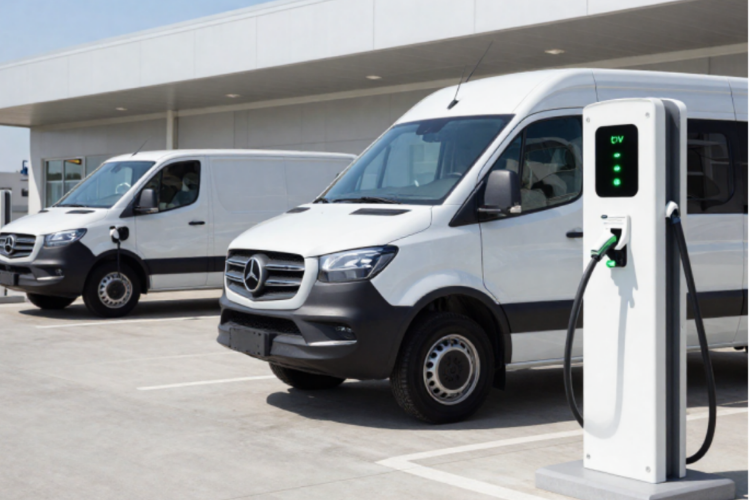
- Lower emissions – Businesses looking to reduce running costs and meet sustainability goals may also be interested in Cut Costs, Reduce Emissions: Why Businesses Are Choosing Electric Fleets.
- Manufacturer warranties
Many businesses choose to replace vehicles every few years, helping to minimise maintenance costs while maintaining a professional image.
Potential Tax Benefits
Depending on the type of lease and how the vehicle is used, leasing may offer certain tax advantages.
Lease payments can often be treated as an allowable business expense and may be deductible against taxable profits. VAT-registered businesses may also be able to reclaim a proportion of the VAT paid on lease rentals, subject to HMRC regulations and the vehicle’s business use.
As every business is different, it’s always advisable to seek guidance from your accountant or tax adviser before making any funding decision.
Businesses should always seek professional tax advice before entering into any finance agreement. You may also find our guide to HMRC Mileage Reimbursement: New Rates for Petrol, Diesel, LPG, and EVs helpful when understanding vehicle-related business expenses.
Avoid Depreciation Concerns
When purchasing a vehicle outright, the business carries the risk of depreciation.
Vehicle values can fluctuate due to market conditions, mileage, age, and demand.
With leasing, depreciation is largely removed from the equation. At the end of the agreement, the vehicle is simply returned, allowing the business to move on to a newer model without worrying about resale values or disposal.
If you’re weighing up ownership versus leasing, our guide Should You Buy or Lease a Van for Your Business? explores the advantages and disadvantages of each option.
Ideal for Vans, Pickups and Specialist Commercial Vehicles
For businesses that rely on commercial vehicles, leasing can provide additional flexibility.
Whether you require:
- Panel vans
- Pickup trucks
- Tippers
- Dropsides
- Luton vans
- Refrigerated vehicles
- Cherry pickers
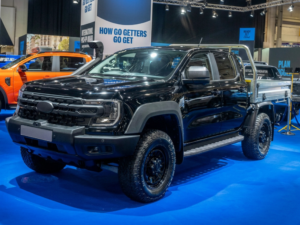
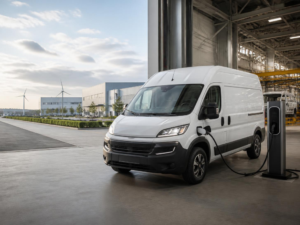
- Electric vans
- Minibuses
- Company Cars
Leasing allows businesses to acquire the exact specification required without the significant upfront investment associated with outright purchase.
Many businesses also choose to incorporate vehicle modifications and specialist conversions into their leasing arrangements, helping spread the cost over the duration of the agreement.
Choosing the right vehicle can have a significant impact on productivity and operating costs. Learn more in Success Starts With the Right Business Van.
Leasing for Newly Incorporated Limited Companies
Many business owners assume they need several years of trading history before they can access leasing solutions. In reality, there are often options available for newly incorporated limited companies.
While finance providers may consider factors such as director credit history, affordability, and business circumstances, being a new company does not automatically prevent you from accessing vehicle finance.
For many start-ups and newly formed limited companies, leasing can be particularly attractive because it helps preserve cash flow during the crucial early stages of growth.
Instead of investing significant capital into vehicle purchases, businesses can spread costs through fixed monthly payments while keeping funds available for recruitment, marketing, equipment, and business development.
Read our guide on”How to Lease a Van as a New Business” for a detailed breakdown of the application process, approval criteria, and tips to improve your chances of securing finance.
If you’re a newly established company, you may also be interested in our guide on What Credit Score Do You Need To Lease A Commercial Vehicle?, which explains how finance providers assess applications and the factors that can influence approval decisions.
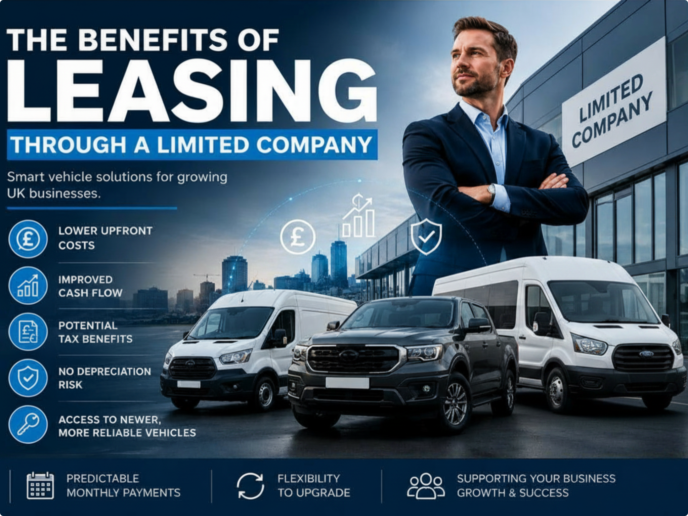
Key Benefits of Leasing Through a Limited Company
Businesses choose leasing for a variety of reasons, including:
- Lower upfront costs
- Predictable monthly payments
- Improved cash flow management
- Access to newer vehicles
- Reduced exposure to depreciation
- Potential tax efficiencies
- Flexibility to upgrade vehicles regularly
- Preservation of working capital
Businesses exploring alternative finance structures can also read our detailed Finance Lease: A Comprehensive Guide for UK Businesses.
To understand the differences between the two most popular leasing methods, see Contract Hire vs Finance Lease: A Complete Guide to Van Leasing for UK Businesses.
For many companies, these advantages make leasing a practical and cost-effective alternative to outright vehicle ownership.
Disclaimer: Tax treatment depends on individual circumstances and may change in line with future legislation. Businesses should seek independent financial and tax advice before entering into any finance agreement.
 Call our expert team on