Chinese automotive manufacturers are set to take a historic step in their expansion into the UK market, with cars from Chinese brands expected to be built in Britain for the first time following a landmark agreement between Nissan and Chery.
The deal marks a significant milestone in the growing influence of Chinese carmakers, who have rapidly increased their share of the UK new car market in recent years through brands such as BYD, Jaecoo, Omoda, and Chery.
At the same time, it highlights how established manufacturers are adapting to structural changes in demand, electrification, and intensifying global competition.
Nissan and Chery Agree on Landmark UK Manufacturing Deal
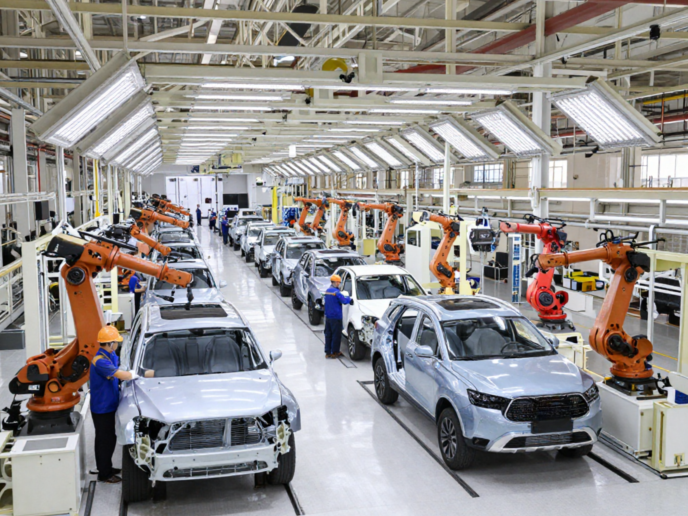
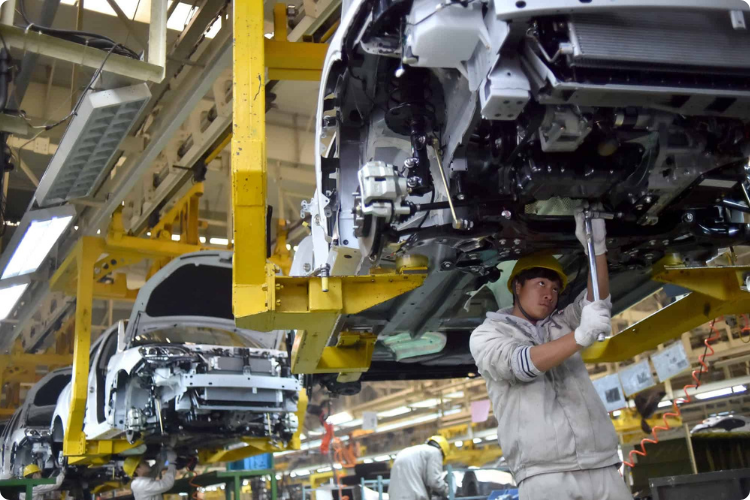
Japanese automotive giant Nissan has agreed to explore the use of spare production capacity at its Sunderland plant in Tyne and Wear to build vehicles for Chinese manufacturer Chery, which owns the Jaecoo and Omoda brands.
Production could begin as early as next year, although the agreement remains non-binding at this stage and is subject to ongoing discussions between the two companies. Details such as which models will be manufactured have not yet been confirmed.
If finalised, the deal would mark the first time Chinese-branded vehicles are produced in the UK, representing a major shift in the global automotive supply chain.
Previously, Chinese automotive groups such as SAIC Motor and Geely have only produced vehicles in the UK under historically British or acquired brands, including MG, Lotus, and the London Taxi Company. This new arrangement would therefore represent a direct manufacturing presence for Chinese-branded vehicles in Britain.
Why the Deal Matters for the UK Automotive Industry
The agreement comes at a time when Nissan’s Sunderland plant is operating significantly below its full production capacity. The factory is capable of producing more than 500,000 vehicles annually, but has recently been running at around half that level due to weaker demand and broader market pressures.
By opening its production lines to external manufacturers, Nissan aims to improve efficiency, safeguard jobs, and strengthen the long-term viability of its UK operations.
According to Nissan’s European leadership, the partnership represents an important step toward optimising manufacturing capacity and ensuring the plant remains competitive in a rapidly changing global industry.
For Chery, the deal reflects its growing ambitions in Europe and its desire to establish a stronger physical footprint in key markets such as the UK.
The company has described the agreement as part of an ongoing evaluation of long-term opportunities in Britain, highlighting the UK’s importance as a strategic market for future growth.
Chinese Brands Continue Rapid Expansion in the UK
The potential production deal comes amid a period of extraordinary growth for Chinese automotive brands in the UK.
In recent years, manufacturers including BYD, Jaecoo, Omoda, and Chery have rapidly increased their market share, challenging long-established European and Japanese competitors.
Their growth has been driven by a combination of competitive pricing, strong electric vehicle offerings, and increasingly advanced technology that appeals to both private buyers and fleet operators.
What was once a niche segment of the market has quickly evolved into a major competitive force within the UK automotive industry.
Jaecoo and Omoda Lead the Breakout Success
Among the most notable performers has been Jaecoo, which has experienced explosive growth since entering the UK market. Sales have risen from just a few thousand units to tens of thousands in a short period, with the brand now competing directly in the highly competitive SUV segment.
Its flagship model, the Jaecoo 7, has even reached the top of UK sales charts during peak registration months, a remarkable achievement for a relatively new entrant.
Omoda, another brand under the Chery Group umbrella, has also expanded rapidly, benefiting from strong demand for affordable, well-equipped crossover vehicles.
Both brands reflect a broader strategy from Chinese manufacturers: offering high-specification vehicles at prices that undercut many traditional rivals.
BYD Strengthens Its Position as a Global EV Leader
BYD has also played a central role in reshaping the UK market.
As one of the world’s largest electric vehicle manufacturers, BYD has built a strong reputation for innovation in battery technology and electric powertrains. Its vertically integrated production model—where key components such as batteries are produced in-house—gives it a significant cost and efficiency advantage.
This approach has helped BYD grow rapidly in the UK, particularly as demand for electric vehicles continues to rise.
The company’s success also reflects broader global trends, with Chinese manufacturers increasingly dominating EV production and supply chains.
A Broader Shift in Market Power
The rise of Chinese brands is not just a story of new entrants gaining market share—it represents a structural shift in the UK automotive industry.
Established manufacturers such as Volkswagen, Ford, Nissan, Toyota, BMW, and Peugeot remain dominant in terms of total registrations. However, many are now seeing their market share gradually eroded as newer competitors expand more quickly.
In many cases, traditional brands are still selling strong volumes, but they are no longer growing at the same pace as the overall market. This has allowed Chinese manufacturers to capture a growing share of new registrations.
The result is a more fragmented and competitive marketplace than at any point in recent decades.
Impact on Established Manufacturers
The growing presence of Chinese brands is placing increasing pressure on long-established automotive companies.
Key challenges include:
- Increased competition in the SUV and EV segments
- Pressure on pricing and profit margins
- Faster product development cycles from Chinese rivals
- Rising consumer expectations for technology as standard
Brands such as Nissan, Ford, Volkswagen, and Peugeot have all experienced fluctuations in market share as a result of these dynamics.
However, the shift is not solely negative for incumbents. Partnerships such as the Nissan–Chery agreement suggest that traditional manufacturers may increasingly collaborate with emerging rivals rather than compete directly with them.
Electrification Accelerates the Shift
One of the most important factors behind the rise of Chinese manufacturers is the global transition to electric vehicles.
China is currently the world leader in EV production and battery technology, giving its manufacturers a strong advantage in international markets.
Brands such as BYD and Geely have been able to leverage this expertise to deliver competitive electric vehicles at scale, often with lower production costs and faster innovation cycles than many Western competitors.
As the UK continues its transition toward zero-emission transport, this technological advantage is expected to play an increasingly important role in shaping market outcomes.
What the Nissan–Chery Deal Signals for the Future
If finalised, the agreement between Nissan and Chery could mark the beginning of a new phase in the UK automotive industry—one defined by collaboration as much as competition.
Rather than competing purely on sales, manufacturers may increasingly share production facilities, platforms, and supply chains in order to reduce costs and maximise efficiency.
For the UK, this could help protect manufacturing jobs and maintain production levels at key plants such as Sunderland.
For Chinese manufacturers, it provides a pathway to local production in Europe’s major markets, reducing logistics costs and strengthening brand credibility among consumers.
A Market in Structural Transition
The UK automotive market is undergoing a fundamental transformation.
Chinese manufacturers are no longer emerging challengers operating at the edge of the industry. They are now central players influencing market direction, pricing, technology, and production strategies.
The potential start of Chinese-branded vehicle production in the UK represents a symbolic and practical milestone in this shift.
While established manufacturers still dominate in overall volume, the balance of power is gradually evolving. The combination of rapid Chinese expansion, accelerating electrification, and new cross-border partnerships suggests that the UK automotive industry is entering a new era—one defined by global integration, intensified competition, and structural change rather than incremental growth.
 Call our expert team on