The UK’s transition towards electric vehicles has received another significant boost, with the Government committing more than £47 million to 33 automotive technology projects designed to accelerate innovation across the industry.
The funding forms part of the Government’s wider £4 billion DRIVE35 programme, which aims to strengthen the UK’s position in the development and manufacture of zero-emission vehicles and the technologies that support them.
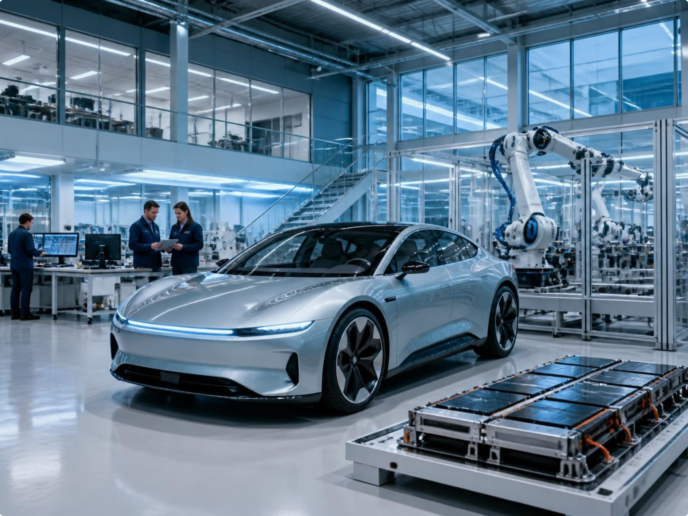
The investment covers a broad range of automotive technologies that could influence the next generation of electric cars, vans and other zero-emission vehicles. Areas receiving support include battery technology, electrification, advanced manufacturing, digitalisation and connected mobility.
For motorists and businesses alike, continued investment in these areas could ultimately lead to better electric vehicle technology, improved range, faster charging, lower operating costs and a wider choice of zero-emission vehicles.
For businesses operating cars and commercial vehicles, these developments could also influence future fleet decisions as more companies consider moving away from petrol and diesel.
Government Funding to Support Automotive Innovation
The latest investment will support projects with a combined value of more than £90 million, with Government funding being supplemented by significant private-sector investment.
The funding is being delivered through four areas of the DRIVE35 programme, with each designed to support a different stage of technological development.
The Mobilise programme will provide more than £2.7 million to 16 early-stage businesses, including start-ups, university spinouts and SMEs working on emerging automotive technologies.
Two collaborative research and development projects will receive more than £8 million through the Collaborate programme, while a further 10 projects will receive £9 million through Demonstrate to help test and prove new technologies in real-world environments.
The largest share of the latest funding has been allocated through the Scale-up Fund, with five projects receiving a combined £26.9 million to help move technologies beyond development and towards manufacturing at scale.
This is particularly important for the UK automotive industry, where turning promising technologies into commercially viable products is a key part of maintaining a competitive manufacturing sector.
What Could This Mean for Electric Cars and Vans?
The most significant aspect of the funding for vehicle users is its focus on technologies that could improve the performance, practicality and affordability of electric vehicles.
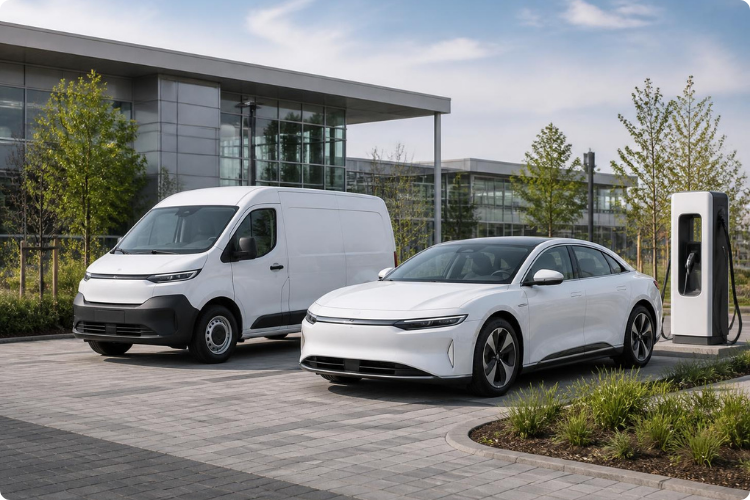
Electric cars are already becoming an increasingly common sight on UK roads, while electric vans are also gaining ground as businesses look for ways to reduce emissions and running costs.
However, there are still important considerations when choosing an electric vehicle.
Range, charging times, vehicle weight, purchase price, battery capacity and access to charging infrastructure can all influence whether an EV is suitable for a particular driver or business.
Continued investment in battery technology, electrification and manufacturing could help address some of these challenges.
For electric car drivers, this could mean greater range, faster charging and improved efficiency.
For van operators, developments could potentially make electric commercial vehicles suitable for an even wider range of businesses, particularly as battery technology improves and manufacturers continue to introduce new models.
Battery Technology Remains a Major Focus
Battery technology is one of the most important areas of development within the electric vehicle industry.
A vehicle’s battery has a direct influence on its driving range, charging requirements, weight and operating costs.
For electric car drivers, improvements in battery technology could make longer journeys easier and reduce the amount of time required to recharge.
For businesses operating electric vans, battery development could be particularly significant. Commercial vehicles often have demanding workloads, with payload, daily mileage and vehicle utilisation all playing an important role in choosing the right vehicle.
Reducing battery weight while increasing energy capacity could help manufacturers deliver vehicles that offer improved range without compromising practicality.
Developments in manufacturing could also help reduce production costs, potentially making future electric vehicles more accessible to consumers and businesses.
What Could This Investment Help Develop?
The range of projects receiving support gives a useful insight into how quickly automotive technology is developing — and shows that the future of electric vehicles is about much more than simply replacing a petrol or diesel engine with an electric motor.
For example, Cooled Motors is developing electric motor technology designed to be more cost-effective and easier to integrate into different vehicles. If successfully brought into wider production, developments such as this could help manufacturers create electric cars and commercial vehicles more efficiently.
Battery technology is another major area of innovation. Xerode is working on a different approach to manufacturing battery components, with the aim of reducing energy requirements and making production more flexible. Ocrea Energy, meanwhile, is developing technology designed to improve battery performance and longevity.
These developments could become increasingly important as manufacturers look for ways to improve the range, efficiency, durability and overall cost of electric vehicles.
The investment also extends to what happens when EV components reach the end of their working life. Green Tech Industries is developing technology and facilities for processing used electric vehicle batteries, with the aim of recovering valuable materials while making battery dismantling safer and reducing waste.
That is particularly relevant as more electric cars and vans enter the UK market. As the number of EVs grows, the ability to responsibly reuse, recover and recycle components will become an increasingly important part of the wider electric vehicle industry.
The projects also demonstrate that future vehicles will rely heavily on software, sensors and connected technology. Radareye is developing systems that combine radar and camera information to help vehicles better understand their surroundings, while Secure Elements is focused on helping automotive businesses identify and manage cybersecurity risks.
For drivers and fleet operators, these technologies may not be as immediately visible as a new battery or electric motor, but they could have an important role in the vehicles of the future.
Taken together, the projects supported through DRIVE35 demonstrate the breadth of innovation taking place across the UK automotive sector. From electric motors and batteries to recycling, vehicle sensing, software and cybersecurity, the technology behind cars and vans is continuing to evolve.
For businesses considering their next vehicles, that means the electric vehicles available in the coming years could look very different from those currently on the market.
Battery Recycling and the Circular Economy
The future of electric vehicles isn’t just about producing better batteries.
As the number of electric cars and vans on UK roads continues to increase, there will also be a growing need to manage batteries responsibly at the end of their useful vehicle life.
Investment in battery recycling and the wider circular economy could help reduce waste while allowing valuable materials to be recovered and reused.
This could become increasingly important as electric vehicle adoption grows and manufacturers look for ways to make the entire vehicle lifecycle more sustainable.
For the UK automotive industry, developing expertise in battery recycling could also help strengthen domestic supply chains and reduce reliance on imported materials.
Strengthening the UK Automotive Industry
The latest funding is not solely focused on developing new electric vehicles.
The Government also wants to strengthen the wider network of companies involved in designing, developing and manufacturing automotive technologies within the UK.
This includes areas such as advanced manufacturing, electrification, battery development, digitalisation and zero-emission mobility.
A stronger domestic supply chain could bring benefits across the automotive sector, potentially helping attract further private investment, create skilled jobs and increase the UK’s ability to manufacture future vehicle technologies domestically.
For consumers and businesses, a stronger automotive industry could also contribute to greater choice and availability as electric vehicle technology continues to develop.
Connected and Automated Mobility Also Receives Support
The Government’s investment in future mobility extends beyond electric powertrains and battery technology.
The Connected and Automated Mobility (CAM) Pathfinder programme is supporting the development of connected and automated mobility technologies across the UK. The programme is designed to help businesses and organisations develop, test and move emerging technologies towards real-world deployment.
This includes technologies associated with connected and automated vehicles, with potential applications across both passenger and commercial transport.
Although many of these technologies remain at the development, feasibility or testing stage, connected and automated mobility could eventually change how vehicles are used and managed.
For businesses and fleet operators, future applications could include improved vehicle utilisation, greater connectivity, more efficient journeys and new approaches to passenger and goods transport.
Combined with advances in electrification and battery technology, connected and automated mobility could become an important part of the UK’s future transport system.
What Does This Mean for UK Businesses?
The latest funding does not mean that a new generation of electric cars and vans will immediately appear on the market.
Many of the projects receiving support are still at the research, development or demonstration stage, meaning it could take time before their technologies become part of mainstream production vehicles.
However, the investment demonstrates the continued direction of travel within the UK automotive industry.
Businesses planning their future vehicle requirements should therefore consider not only the cars and vans available today, but also how quickly the technology behind them is developing.
For companies considering electric vehicle leasing, the continued investment in batteries, electrification and vehicle manufacturing could result in an increasingly broad choice of vehicles over the coming years.
Continued Investment Could Accelerate the EV Transition
The £47 million announcement is another indication that the UK Government sees automotive technology and zero-emission transport as important parts of the country’s future.
Investment is being directed towards a wide range of technologies, from electric powertrains and batteries to advanced manufacturing, recycling, digitalisation and connected mobility.
The benefits could ultimately extend across the entire vehicle market, including electric cars, electric vans and other zero-emission vehicles.
For motorists and businesses, this continued development could mean vehicles that offer greater range, improved charging performance, better efficiency and lower operating costs.
While some of the technologies supported by the latest funding are still several years away from becoming mainstream, the direction is clear. The automotive industry is continuing to move towards a more electrified, connected and technologically advanced future.
For businesses reviewing their fleet strategy, keeping up with these developments will be increasingly important as electric vehicles become a bigger part of the UK vehicle market.
For businesses considering the switch to electric vehicles, access to reliable and convenient charging remains a key factor when planning the transition to an electrified fleet.
Leasing providers can help simplify the process by advising on suitable vehicles, charging infrastructure and long-term fleet strategies, enabling businesses to make informed decisions based on their operational needs.
For commercial operators, keeping vehicles on the road is essential. Minimising downtime while maintaining efficiency and reliability is critical to supporting day-to-day business activities.
As charging technology continues to advance, faster charging times could make electric vans, cars and commercial vehicles an even more practical choice. This is especially beneficial for businesses with high-mileage drivers, multiple operating sites or time-sensitive delivery schedules, where reducing time spent charging can have a direct impact on productivity.
Concerned about rising fuel costs? Discover why more UK businesses are turning to electric vehicle leasing to reduce running costs and protect themselves from unpredictable fuel prices in our guide: “Why Now Is the Perfect Time to Lease an Electric Vehicle.” Read the full article
Looking to install EV charging at your business? Find out how the UK Government is supporting the transition to electric vehicles with increased funding for home and workplace charging installations in our latest guide.
Still have questions about owning an electric vehicle? Find out what happens if an electric vehicle runs out of charge or breaks down, and how roadside assistance providers help get drivers back on the road.
Related EV & Fleet Leasing Guides
Looking to learn more about electric vehicles, leasing and fleet management? Explore our expert guides:
👉 EV Salary Sacrifice Explained: How UK Employees Can Drive a New Electric Car for Less in 2026 – Discover how salary sacrifice schemes can significantly reduce the cost of driving a new electric vehicle while benefiting from attractive tax savings.
👉 How Vehicle Leasing Became a Core Driver of Corporate ESG Strategy – Learn how vehicle leasing is helping businesses achieve sustainability targets and strengthen their environmental, social and governance (ESG) commitments.
👉 Top 10 Electric Cars to Lease in 2026: The Best EVs for Private Drivers, Company Cars and Salary Sacrifice Schemes – Compare the leading electric vehicles available this year and find the right model for your personal or business needs.
👉 The Best Small Electric Vans on the Market – Explore the latest compact electric vans designed to help businesses reduce emissions without compromising practicality.
👉 Reclaiming VAT on a Business Van or Car Lease: A Complete Guide for UK Businesses – Understand the rules around VAT recovery and how businesses can maximise savings when leasing vehicles.
If you’re still exploring your options, we can help you find the perfect electric car, van, or pickup. Check out our latest EV leasing offers today and take the next step toward cleaner, smarter driving.
 Call our expert team on