
The Government is facing renewed calls to review the maximum MOT testing fee for cars and light commercial vehicles, with industry representatives warning that the current pricing model is no longer sustainable for independent garages. If no changes are made, the industry fears reduced MOT testing capacity could eventually affect motorists and businesses that rely on vans every day.
The latest calls follow the Government’s decision to increase MOT fees for heavier vehicles, highlighting what many in the automotive sector see as an imbalance between testing costs for different vehicle classes.
From 6 July, the maximum fees that Authorised Testing Facilities (ATFs) can charge will increase to:
- £90 for buses and coaches (up from £70)
- £70 for Heavy Goods Vehicles (up from £55)
- £50 for trailers (up from £40)
While Authorised Testing Facilities carrying out HGV and bus MOTs will be able to charge higher maximum fees, no equivalent increase has been announced for the millions of cars and light commercial vehicles that require MOT testing each year.
However, the maximum charge for a Class 4 MOT—covering the vast majority of passenger cars and light vans—will remain fixed at £54.85, a figure that has not changed since 2010. The same concerns also extend to Class 7 vehicles, which include larger goods vehicles with a maximum authorised mass (MAM) of more than 3,000kg and up to 3,500kg, such as many larger panel vans and light commercial vehicles.
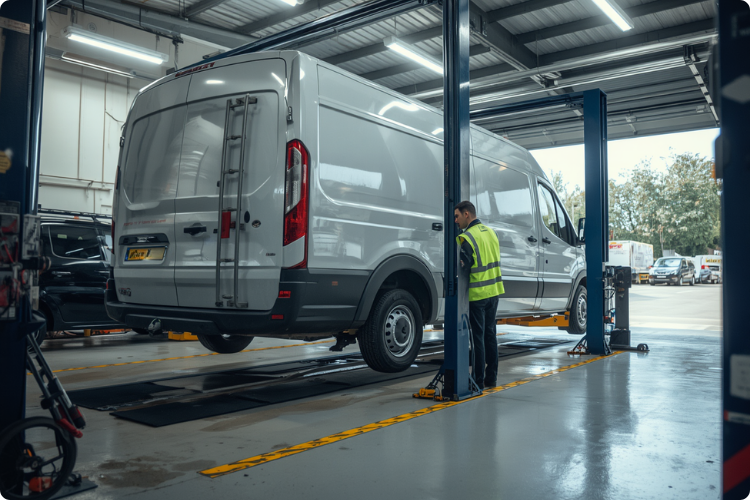
The Independent Garage Association (IGA) says keeping the fee cap frozen for more than 16 years has placed increasing financial pressure on independent garages, many of which are already dealing with significantly higher operating costs.
Since the fee was last reviewed, businesses across the automotive sector have experienced sharp increases in staff wages, rent, business rates, insurance, energy bills, diagnostic equipment costs, training requirements and regulatory compliance. At the same time, MOT inspections have become increasingly complex as modern vehicles incorporate advanced driver assistance systems (ADAS), hybrid technology and sophisticated onboard electronics.
The IGA argues that rising costs have steadily eroded the profitability of MOT testing, even though it remains an essential service for motorists and commercial vehicle operators alike.
Many independent garage owners say continuing to offer MOT testing at the current capped price is becoming increasingly difficult to justify from a commercial perspective. As a result, some workshops are choosing to allocate more servicing bays to repair and maintenance work, which typically delivers higher returns than MOT testing alone.
The trade body warns that this trend could reduce the UK’s overall MOT testing capacity over time, making it more difficult for drivers and fleet operators to secure appointments, particularly during busy periods.


Stuart James, Chief Executive of the Independent Garage Association, said many members have reported that the long-standing freeze on MOT fees is forcing difficult commercial decisions about how they allocate workshop space and resources.
He warned that unless the Government reviews the maximum MOT charge, more garages may prioritise higher-value workshop activity over MOT testing, reducing the availability of test stations and limiting consumer choice. He added that maintaining a healthy network of independent garages is vital to ensuring motorists continue to have convenient access to local MOT testing services.
For businesses that rely on vans and light commercial vehicles, any reduction in MOT testing capacity could lead to longer waiting times and increased vehicle downtime, making it even more important that the UK’s testing network remains commercially viable.
The IGA continues to urge the Government to carry out an urgent review of the MOT fee cap, arguing that a fairer pricing structure would help independent garages continue investing in staff, equipment and facilities while maintaining the high safety standards expected of the UK’s MOT testing system.
The Independent Garage Association represents independent garages throughout the UK and has consistently campaigned for measures that support the long-term sustainability of the automotive repair, servicing and MOT testing sector.
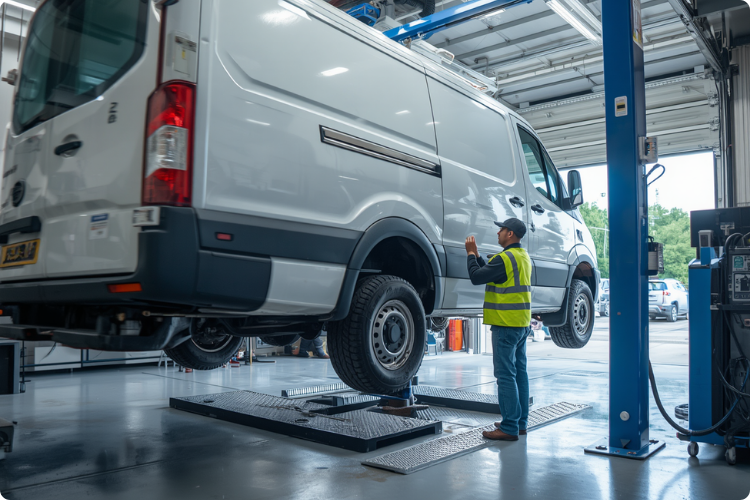
What This Means for Van Drivers and Fleet Operators
For businesses operating leased or owned vans, an MOT test becomes a legal requirement once a vehicle reaches three years old. Although any future increase in the MOT fee would slightly increase operating costs, most fleet operators are likely to welcome measures that help safeguard the long-term availability of local MOT testing centres.
Regular servicing and timely MOT testing not only help vehicles remain safe and legal but can also reduce the risk of unexpected breakdowns, costly repairs and unplanned vehicle downtime. Keeping on top of maintenance is particularly important for businesses that depend on their vans every day, where even a short period off the road can affect productivity and customer service.
For businesses that depend on vans to keep operations running smoothly, maintaining a reliable and accessible MOT testing network is essential.
Whether the Government chooses to review the current fee cap remains to be seen, but the outcome could have significant implications not only for independent garages but also for the thousands of fleet operators, small businesses and sole traders who rely on timely MOT testing to keep their vehicles on the road.


Who Pays for an MOT on a Leased Van?
In most cases, businesses leasing a new van on a typical two- or three-year agreement won’t need to arrange an MOT, as vehicles are not legally required to undergo their first MOT test until they are three years old.
However, if your lease extends beyond the three-year mark, you’ll usually be responsible for ensuring the van has a valid MOT certificate, unless your lease agreement or maintenance package states otherwise. Some leasing providers include MOT testing as part of a maintenance package, so it’s always worth checking what’s covered before your vehicle reaches its first MOT due date.
If your lease vehicle is due to be returned after its third anniversary, you’ll also need to ensure it has a valid MOT if the test falls within your contract period. Failing to keep a leased van roadworthy or allowing its MOT to expire could lead to fines, invalidate insurance in certain circumstances and result in additional charges from the leasing company.
Before your vehicle’s first MOT is due, review your lease agreement or speak to your account manager to confirm exactly who is responsible for arranging and paying for the test. Understanding your responsibilities in advance can help you avoid unexpected costs and ensure your vehicle remains fully compliant.
 Call our expert team on