As global air travel continues to grow, so too does the aviation industry’s responsibility to reduce its environmental footprint. Airports around the world are taking decisive action by electrifying their vehicle fleets—a critical step toward decarbonising ground operations and meeting increasingly ambitious climate goals. Many major airports are now preparing for a future dominated by electric vehicles (EVs), with some aiming to achieve net-zero emissions as early as 2030.
This transition includes converting ground support equipment (GSE) and operational fleets to electric power, while also investing in robust EV charging infrastructure not only for airport use but also for passengers, staff, and commercial partners. These efforts represent a broader push to create cleaner, more efficient, and future-ready airport ecosystems.
Expanding Roles For Electric Vehicles In Airport Operations
Electric vehicles are being deployed across a wide spectrum of airport functions, both airside and landside. Their versatility and lower emissions make them ideal for various applications.

Aircraft Towing and Pushback
Diesel tugs are being replaced with electric alternatives such as towbarless e-tugs, which offer high torque, lower maintenance needs, and zero tailpipe emissions—improving air quality and reducing noise near terminals.
Baggage and Cargo Handling
Electric baggage tugs, belt loaders, and cargo transporters are being used to streamline ground handling. These vehicles reduce fuel costs and eliminate emissions in enclosed spaces like baggage tunnels and loading bays.
Passenger Transportation
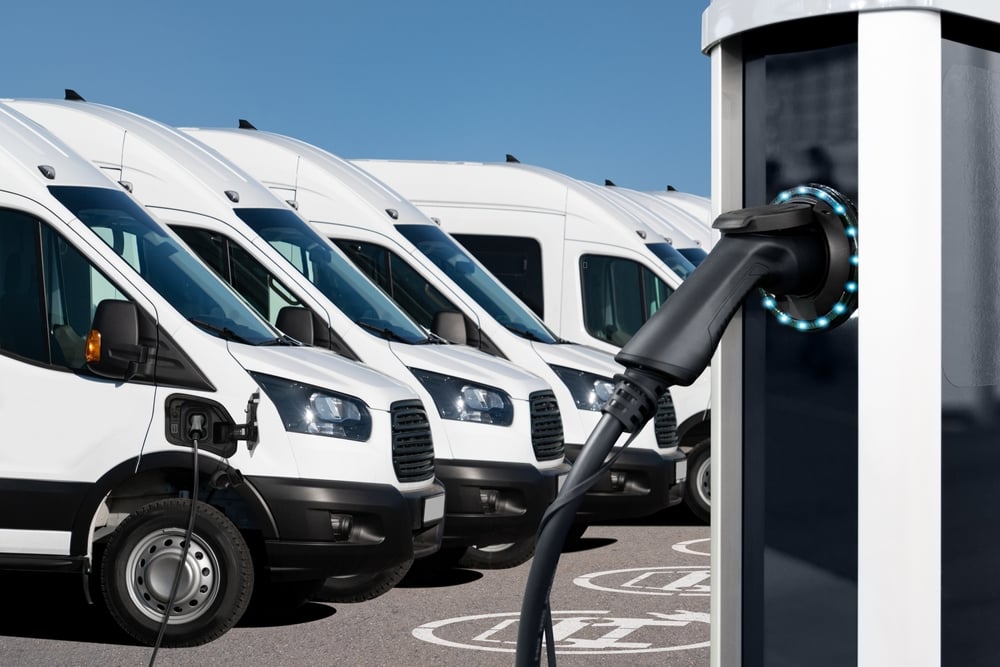
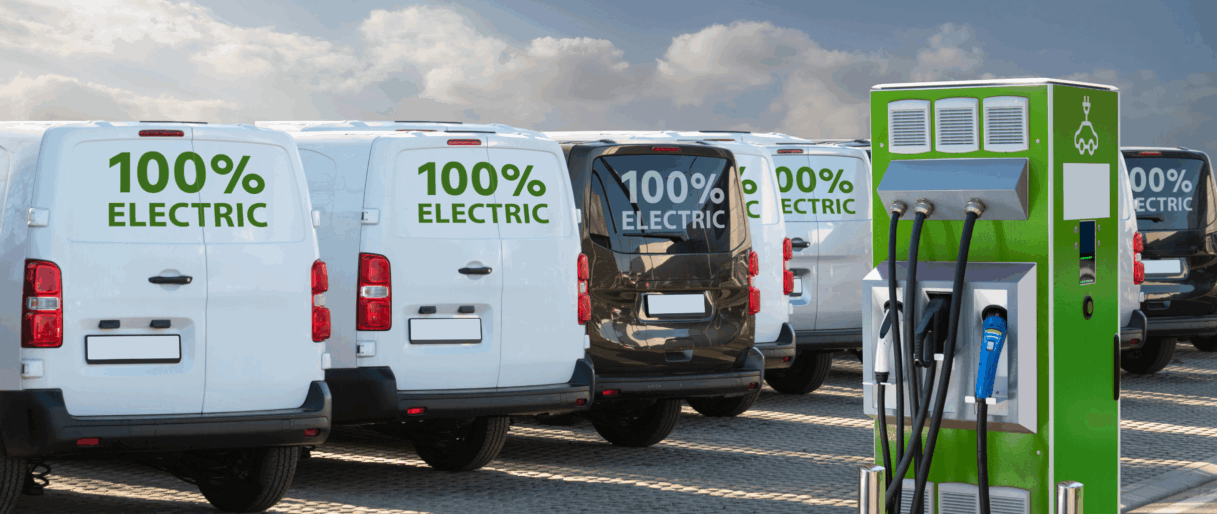
Airports are rolling out electric shuttle buses, electric vans, and even autonomous EV pods to move travellers between terminals, parking facilities, and aircraft gates. Some airports, like Los Angeles International (LAX) and Amsterdam Schiphol, have already integrated electric fleets into their core transit operations.
Ground Support Equipment (GSE)
Maintenance trucks, catering vehicles, lavatory service units, de-icing rigs, and GPU (ground power units) are increasingly available in electric models, reducing direct emissions on the tarmac and cutting down operational noise.
Charging Infrastructure For a Fully Electrified Airport
To support the growing number of EVs, airports are investing heavily in charging infrastructure across both landside and airside zones:
Airside Charging
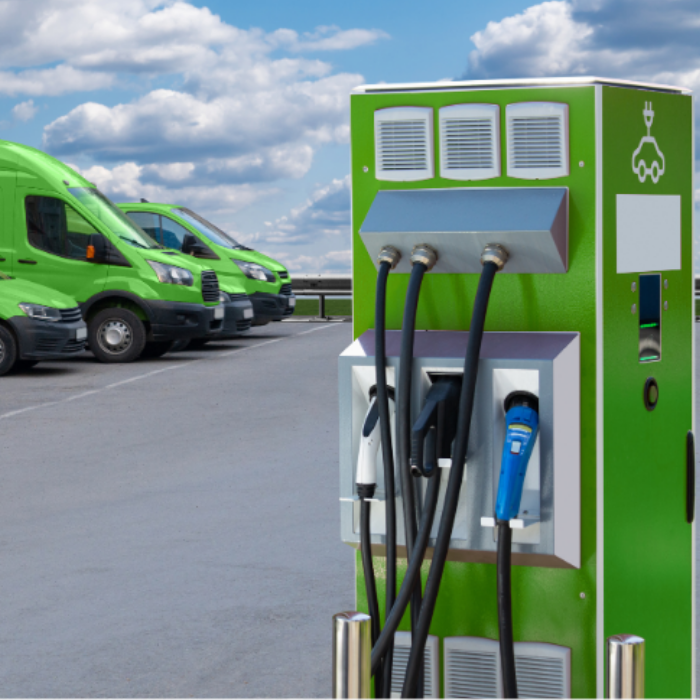
High-capacity, fast-charging stations are strategically placed near gates and hangars to ensure minimal downtime for electric GSE and support vehicles.
Landside Charging For Staff and Public Use
Airports are expanding public-access EV charging in passenger parking areas, employee lots, and rental car facilities, recognising the importance of encouraging EV adoption beyond their internal fleets.
Smart Energy Management
Advanced systems are being deployed to manage load balancing, peak shaving, and integration with renewable energy sources (like solar arrays and microgrids), ensuring that EV charging remains efficient and cost-effective even during high-demand periods.
Why Airports Are Leading The EV Transition
Several forces are driving airports to the forefront of fleet electrification:

Net-Zero Commitments
Many airports have publicly committed to reaching net-zero carbon emissions by 2030 or 2050, aligning with global frameworks such as the Airport Carbon Accreditation (ACA) program and the International Civil Aviation Organisation’s (ICAO) long-term aspirational goals.
Environmental Compliance
Regulatory bodies are imposing stricter emission and air quality standards, particularly in urban regions. Electrifying fleets is an effective way for airports to maintain compliance and avoid future penalties.

Operational Efficiency and Cost Savings
EVs typically feature lower operating costs due to fewer moving parts and reduced fuel expenses. For high-utilisation fleets—such as those in constant rotation on the tarmac—these savings quickly add up.
Improved Local Air Quality and Noise Reduction
With fewer emissions and quieter engines, EVs improve the working environment for airport staff and reduce the impact of airport operations on surrounding communities.
Image credit: Photo by Matt Boitor on Unsplash

Challenges Ahead Of The Switch To EVs
While progress is accelerating, the shift to electric fleets is not without challenges.
High Upfront Capital Costs
Electrifying fleets and building infrastructure requires significant initial investment, though these costs are often offset by long-term savings and environmental benefits.
Grid Capacity and Energy Demand
The influx of high-powered chargers increases demand on local power grids. Airports must collaborate with utilities and city planners to ensure energy resilience and future scalability.
Vehicle Availability and Lifecycle Planning
Not all vehicle classes have mature EV alternatives, particularly for specialised airport equipment. Additionally, airports must plan for battery end-of-life, recycling, and second-life applications.
A Role Model For Sustainable Mobility
By investing in EV fleets and infrastructure, airports are transforming into models of low-emission transportation hubs. Electrification not only reduces greenhouse gas emissions and improves local air quality but also enhances overall efficiency and resilience.
From Heathrow and Frankfurt to San Francisco and Singapore, the world’s leading airports are proving that a fully electrified, net-zero-ready ground operation is achievable—and critical—for the future of sustainable aviation.
As battery technologies improve and energy systems become smarter, the pace of this transition will only accelerate, positioning airports as key innovators in the global clean mobility movement.