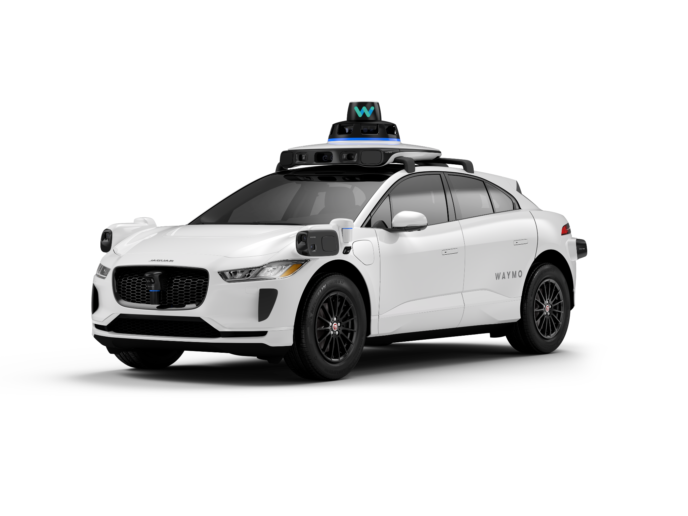
After seeing Waymo robotaxis across the United States, I wanted to understand how close the UK really is to a driverless future — and whether London is ready for it.
First Impressions — Seeing Driverless Cars in America
I only really understood what self-driving cars meant after spending time in the United States.
Not from tech demos or headlines — but from something far more ordinary: seeing them on the road.
In cities like San Francisco, Los Angeles, Phoenix, and Austin, they don’t feel like prototypes anymore. They feel like traffic. You glance up at an intersection and there it is: a car moving through space with no driver at all. No hands on the wheel. No hesitation. Just quiet, controlled movement through a world still designed for humans.
Then I went to Miami, and the contrast was still noticeable, but in a different way than I expected.
Miami is not a Waymo operational city in the same sense as places like San Francisco or Phoenix, where fully driverless ride-hailing is publicly available. But it does reflect a different side of the autonomous driving picture — one where you may still see advanced test vehicles, sensor-equipped cars, and other forms of autonomous or semi-autonomous development activity mixed into a much more chaotic driving environment.
The roads feel louder, faster, more unpredictable. The kind of place where driving is less about precision and more about instinct. And in that environment, it becomes clear that autonomy doesn’t yet behave consistently across every city in the same way.
That gap — between fully operational robotaxi cities and places where the technology is still emerging in different forms — is where the real story sits.
What Is Waymo and How Does It Work?
Waymo is the autonomous driving company spun out of Google’s self-driving car project, now operating under Alphabet.
It began in 2009 as an ambitious question: could a car safely drive itself using sensors, mapping, and artificial intelligence instead of a human driver?
Over more than a decade, that experiment became a real transport service.
Today, Waymo operates a fully driverless ride-hailing platform called Waymo One, where users can book a car through an app and travel without a human driver present.
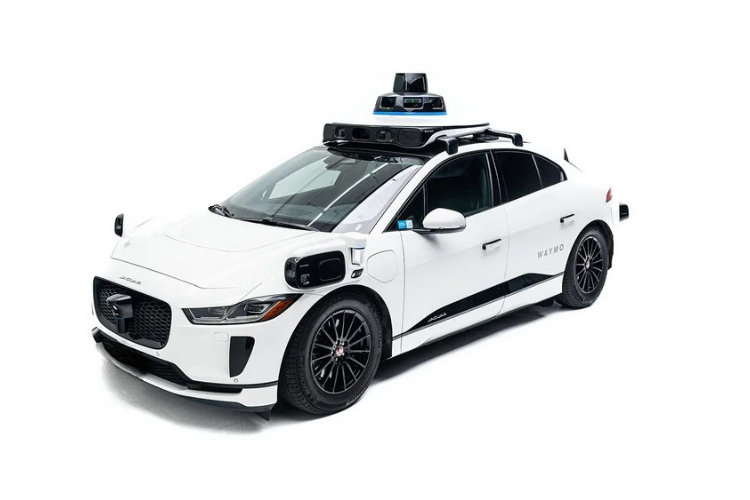
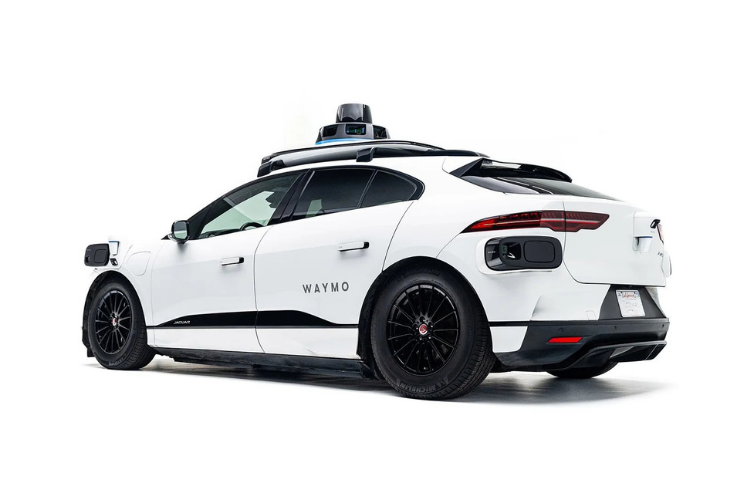
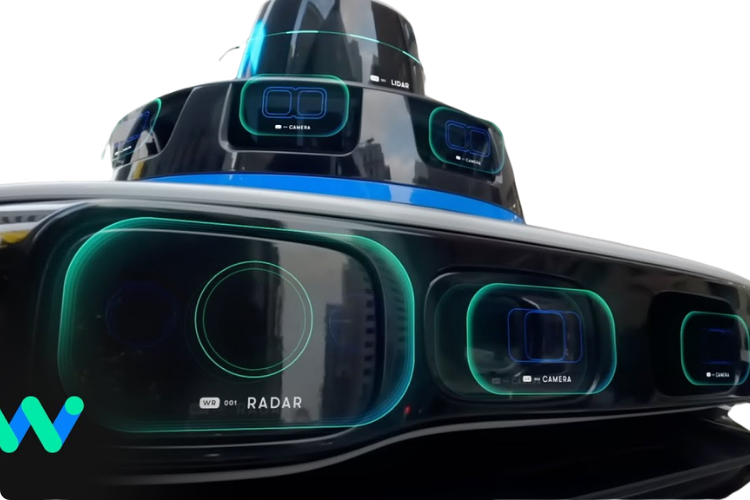
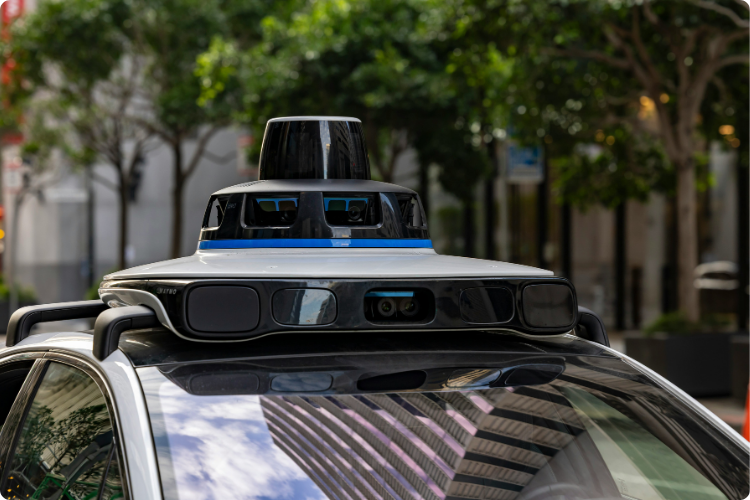
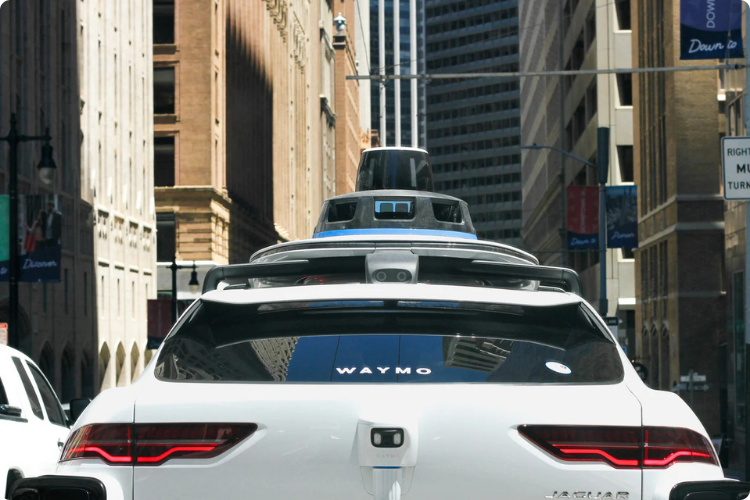
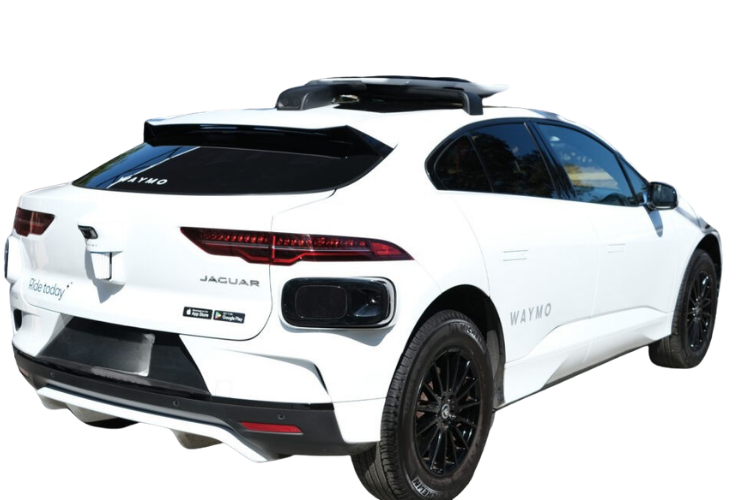
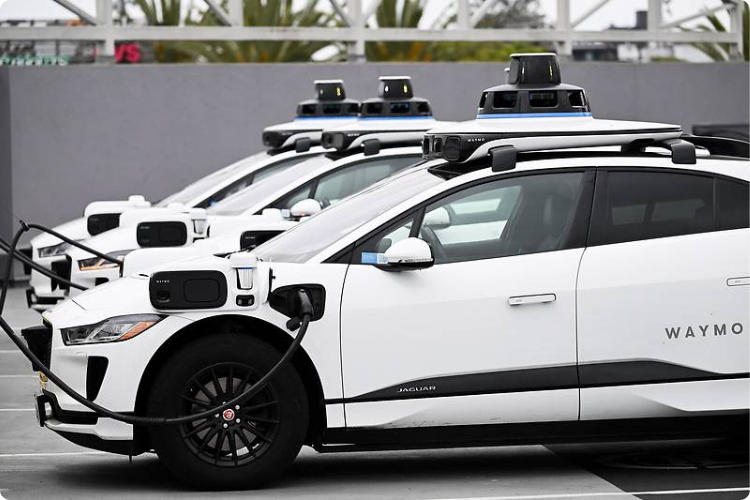
Most vehicles are electric SUVs such as the Jaguar I-PACE, fitted with advanced sensor systems:
- Lidar (3D laser mapping of surroundings)
- Radar (motion and distance detection)
- High-resolution cameras
- AI systems for real-time decision-making
Together, they build a constantly updating digital model of the world around the car — tracking pedestrians, cyclists, vehicles, and road conditions simultaneously.
What It’s Like Inside a Waymo Robotaxi
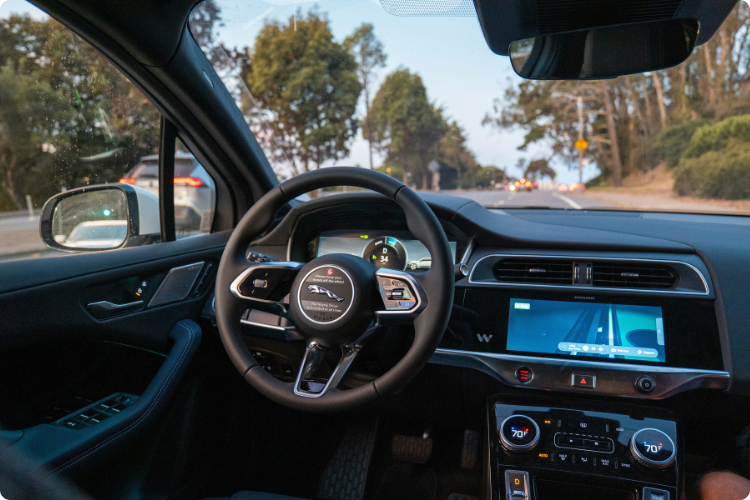
Inside a Waymo, the experience is surprisingly normal.
There is no driver. No conversation. No human judgement. You open the app, a car arrives, you get in, and it simply begins moving.
The driving style is noticeably different from that of a human. It is:
- Cautious at intersections
- Highly rule-compliant
- Smooth but deliberate
- Often more conservative than human drivers
Stops come earlier. Turns are slower. Decisions feel calculated rather than instinctive.
But that is exactly the point. Waymo isn’t trying to replicate human driving behaviour — it is trying to remove human unpredictability from it.
Why Waymo Feels More Common Than It Actually Is
One of the most interesting aspects of Waymo is perception.
In reality, its operations are still limited to specific zones within a handful of US cities where it offers fully driverless ride-hailing services.
But within those zones, deployment density is high enough that the cars begin to feel normal. You stop noticing them as unusual. They become just another part of traffic.
Meanwhile, other major cities — including places like Miami — may still see different forms of autonomous vehicle activity, such as testing, mapping, or pilot programs from various companies, but not necessarily the same public robotaxi service that exists in Waymo’s core markets.
That creates a layered reality:
- Fully operational robotaxi cities
- Testing and development cities
- And traditional driving environments
It is not that autonomy is everywhere.
It is that it exists at very different stages depending on the city.
The Bigger Goal — Replacing Urban Driving
Waymo’s long-term ambition goes far beyond taxis.
The broader vision is a shift in how cities move:
- Fewer traffic accidents caused by human error
- 24/7 transport availability without driver constraints
- Reduced need for private car ownership in dense cities
- Lower long-term transport costs
- Integration with wider public transport systems
In this model, driving stops being a skill most people need. Cars become a service rather than a possession.
The real disruption is not the vehicle itself — but the removal of the human driver from urban mobility.
The Business Behind Waymo: Why Silicon Valley Is Betting Big on Robotaxis
What makes Waymo particularly fascinating is that it is no longer just a technology project — it is becoming a business model.
For years, autonomous vehicles were viewed as experimental moonshots that consumed huge amounts of money without producing real-world revenue. But Waymo has quietly crossed an important threshold: people now regularly pay to use the service.
That changes the conversation entirely.
The long-term financial logic behind robotaxis is simple in theory. Human drivers are currently the highest operational cost for ride-hailing companies. Remove the driver, and the economics of transport potentially change forever.
A fully autonomous fleet could theoretically:
- Operate 24 hours a day
- Reduce labour costs
- Lower idle vehicle time
- Optimise routes using AI
- Reduce fuel and maintenance inefficiencies through electric fleets
The vision is essentially “transport as software” — mobility running continuously in the background of city life.
However, the reality is still expensive.
Waymo vehicles are packed with advanced hardware, including costly lidar systems and onboard computing power. They also require constant maintenance, remote operational support, and highly detailed mapping infrastructure.
In other words, the technology works — but profitability at massive scale is still one of the industry’s biggest unanswered questions.
Why Waymo Chose Certain Cities First
Waymo’s rollout strategy reveals a lot about the current limits of autonomous driving.
The company has largely focused on cities where conditions are comparatively manageable.
Phoenix
Wide roads, predictable layouts, clear weather, and suburban infrastructure make Phoenix one of the ideal testing grounds for autonomous systems.
San Francisco
More complex and chaotic — but also highly tech-focused, politically progressive, and densely mapped.
Los Angeles
Important not only because of population size, but because LA represents car culture at scale.
These cities are not random. They are carefully selected environments where Waymo can gradually train its systems against increasingly difficult driving conditions.
That also explains why expansion has been slower than many people expected a few years ago. The jump from “working in one city” to “working everywhere” is enormous.
Driving is not universal.
Every city behaves differently.
The Hidden Infrastructure Most People Never See
Most people think self-driving cars are mainly about AI.
In reality, the hidden layer underneath is mapping.
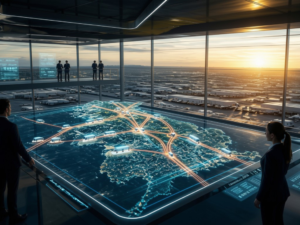
Waymo relies heavily on highly detailed pre-mapped environments. Before launching in a city, the company spends months — sometimes years — collecting enormous amounts of road data.
That includes:
- Lane geometry
- Traffic light placement
- Kerb positioning
- Road signage
- Pedestrian behaviour patterns
- Construction zones
- Common traffic flows
The vehicle is not simply improvising in real time. It is operating inside an environment it already deeply understands.
That distinction matters because it explains why robotaxis currently work best in fixed operational areas rather than everywhere at once.
What Happens When Things Go Wrong?
One of the biggest public concerns around autonomous vehicles is obvious: what happens in an emergency?
Waymo vehicles are designed with multiple layers of redundancy. If one system fails, another takes over. Vehicles can also pull over safely if they encounter situations they cannot confidently interpret.
But edge cases remain one of the hardest problems in autonomy.
Examples include:
- Temporary roadworks
- Police are directing traffic manually
- Emergency vehicles behaving unpredictably
- Unusual pedestrian behaviour
- Extreme weather conditions
Humans handle many of these situations instinctively because we understand social cues and ambiguity.
Teaching machines to do the same reliably is far more difficult.
This is why many experts believe full autonomy everywhere is still years — possibly decades — away.
How the Public Is Reacting
Public opinion on robotaxis remains divided.
Some passengers love the experience, describing it as calmer and safer than traditional ride-hailing. Others find it deeply uncomfortable, especially during unexpected manoeuvres or traffic interactions.
There is also a broader philosophical question emerging:
Do people actually want to give up driving?
In places where cars represent independence and identity — particularly in the United States — autonomous transport challenges more than just infrastructure. It challenges culture.
For younger generations, however, attitudes may already be changing. Convenience increasingly matters more than ownership.
That shift could become one of the biggest drivers of autonomous adoption over the next decade.
Can Waymo Work Outside the US? (The UK Case)
Waymo has already confirmed plans to bring its robotaxi service to London, with testing underway and commercial rollout targeted for 2026.
Early trials involve mapping the city using sensor-equipped Jaguar I-PACE vehicles before any fully driverless launch.
The UK government is also actively developing frameworks for autonomous vehicles, signalling that driverless transport is expected to become part of future mobility planning.
But London is a very different challenge compared to US deployment cities.
It introduces:
- Narrow, historic road layouts
- Dense pedestrian environments
- Complex junctions and traffic flows
- Unpredictable human driving behaviour
- Frequent weather variability
If Waymo works in London, it suggests the technology is robust enough for some of the world’s most complex cities. If it struggles, it highlights the current limits of autonomy.
Why Cities Like Miami Matter — and Expose the Limits of Autonomy
Cities like Miami are still important in this story, even if they are not primary Waymo deployment zones.
They represent the kind of real-world complexity that autonomous systems must eventually master at scale:
- Fast-moving and often aggressive traffic behaviour
- Less predictable lane discipline
- High variability in driving styles
- Dense urban congestion mixed with highway-style flow
Unlike carefully selected deployment cities such as Phoenix or parts of San Francisco, Miami reflects a more chaotic driving environment — one where conditions change quickly, and human behaviour is harder to anticipate.
This is why autonomy does not roll out uniformly across the world.
It depends heavily on:
- Reliable mapping
- Consistent traffic behaviour
- Predictable infrastructure
Until these conditions can be handled everywhere, autonomous driving will remain a city-by-city system rather than a universal one.
Could Autonomous Cars Change City Design?
One of the least discussed consequences of robotaxis is how they could reshape cities themselves.
If autonomous ride-hailing became widespread, cities might eventually need:
- Fewer parking spaces
- Fewer private vehicles
- Redesigned pick-up and drop-off zones
- New traffic management systems
- Updated insurance and liability laws
Urban planners are already considering how autonomous mobility could change road layouts and public transport integration in the future.
The implications go far beyond transport.
They touch housing, infrastructure, retail, and even how people choose where to live.
The Environmental Debate
Waymo’s fleet is primarily electric, which naturally places the company inside broader discussions around sustainability.
Supporters argue that autonomous electric fleets could:
- Reduce emissions
- Optimise traffic flow
- Reduce congestion through efficient routing
- Lower overall vehicle ownership
Critics, however, argue the opposite could happen.
If autonomous rides become extremely cheap and convenient, people may use cars more often instead of public transport, potentially increasing congestion rather than reducing it.
This remains one of the biggest unanswered questions in autonomous mobility:
Will robotaxis replace existing car journeys — or create entirely new ones?
The Future of Driverless Cars
Waymo is expanding, but slowly and deliberately.
Rather than launching everywhere at once, it follows a pattern:
- Map a city in detail
- Run supervised testing
- Gradually remove safety drivers
- Open a limited commercial service
- Expand coverage over time
This city-by-city approach means global expansion will take years, not months.
Meanwhile, competition in the autonomous vehicle space is increasing, with multiple companies pursuing similar goals across ride-hailing, logistics, and personal transport.
Why This Moment Feels Different
The autonomous vehicle industry has gone through waves of hype before.
A few years ago, many companies promised fully self-driving cars “within the next year.” Most of those predictions failed.
But what feels different now is that Waymo is no longer selling a concept.
It is operating a real public service.
People are already using autonomous vehicles as part of everyday life in certain American cities. The debate has moved from “will this ever happen?” to “how far can this realistically scale?”
And that is a far more serious conversation.
Final Thoughts — The Future Is Already on the Road
What makes Waymo interesting is not that it represents a sudden future.
It doesn’t.
It represents a slow one.
In some US cities, that future is already visible — quietly integrated into traffic, doing ordinary journeys without human input.
In others, like Miami, it is still absent.
And in places like London, it is only just arriving.
There is no single moment where driving disappears. Instead, there is a gradual shift — one mapped city, one approved regulation, one expanding fleet at a time.
And perhaps that is the most important takeaway:
The future of transport is not arriving loudly.
It is already driving itself forward — quietly, carefully, and one ride at a time.
 Call our expert team on