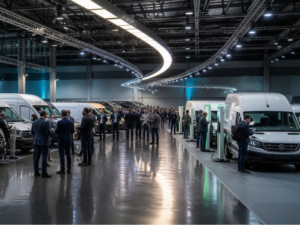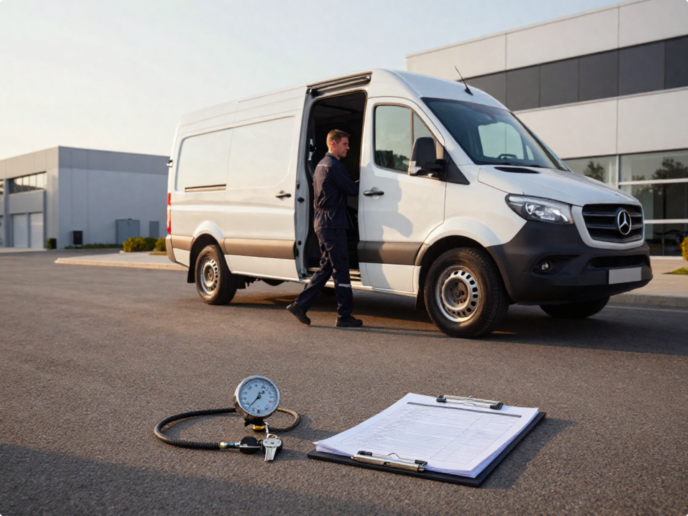
Leasing a vehicle offers an affordable and flexible way to drive a new car or van without the long-term commitment of ownership. Whether you’re leasing for personal use or through your business, it’s important to understand your responsibilities throughout the agreement.
While the finance provider or leasing company retains ownership of the vehicle, the day-to-day responsibility for keeping it roadworthy, well-maintained and in good condition rests with the driver or business using it.
Failing to meet these responsibilities could lead to additional charges at the end of your lease, invalidate parts of your agreement or even result in legal penalties.
In this comprehensive guide, we’ll explain everything you need to know about your responsibilities when leasing a vehicle, from servicing and insurance to mileage limits, damage, fines and returning your vehicle at the end of the lease.
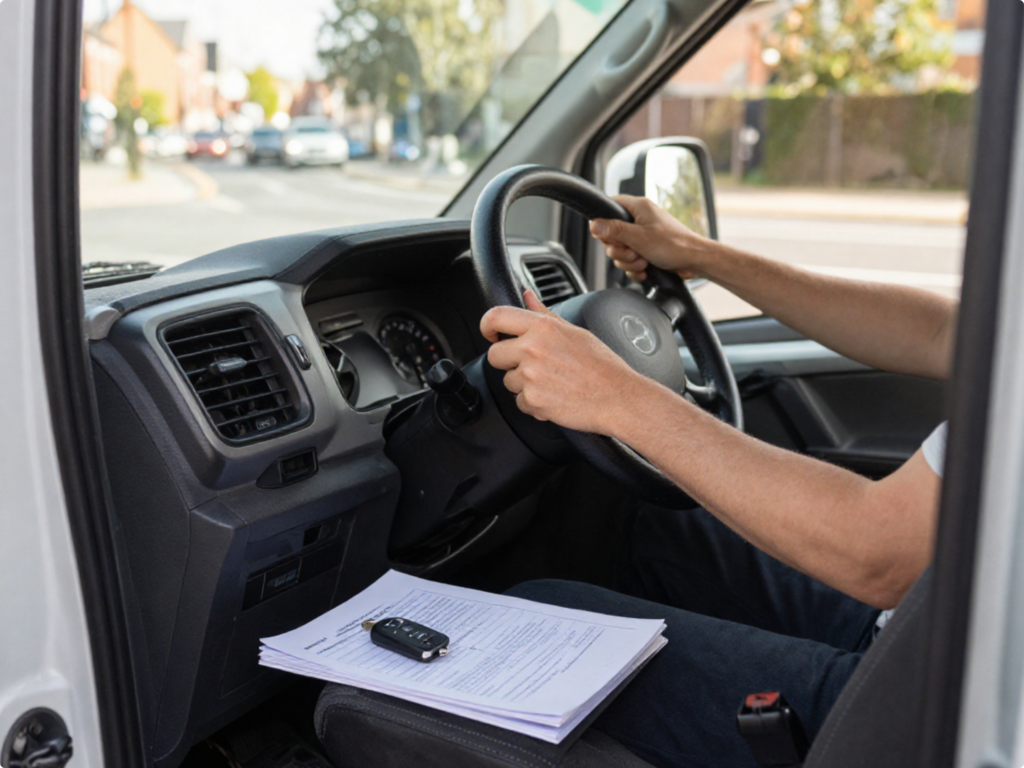
What Is a Leased Vehicle?
A leased vehicle is one that you rent for an agreed period, usually between two and five years, in return for fixed monthly payments.
Unlike buying a vehicle outright, you don’t own the vehicle at the end of the agreement. Instead, you return it to the finance company, provided you’ve met the terms of your lease.
Leasing is available for:
- Personal cars
- Business cars
- Vans
- Pick-ups
- Electric vehicles (EVs)
- Commercial vehicles
Who Is Responsible for a Leased Vehicle?
Although the leasing company owns the vehicle, responsibility is shared.
Generally:
The leasing company is responsible for:
- Vehicle ownership
- Vehicle registration
- Road tax (in most agreements)
- Finance administration
The driver or business is responsible for:
- Insurance
- Servicing
- Routine maintenance
- Keeping the vehicle clean
- Reporting damage
- Paying fines
- Staying within mileage limits
- Returning the vehicle in acceptable condition
Understanding these responsibilities from the outset helps avoid unnecessary costs later.
Keeping Your Leased Vehicle Roadworthy
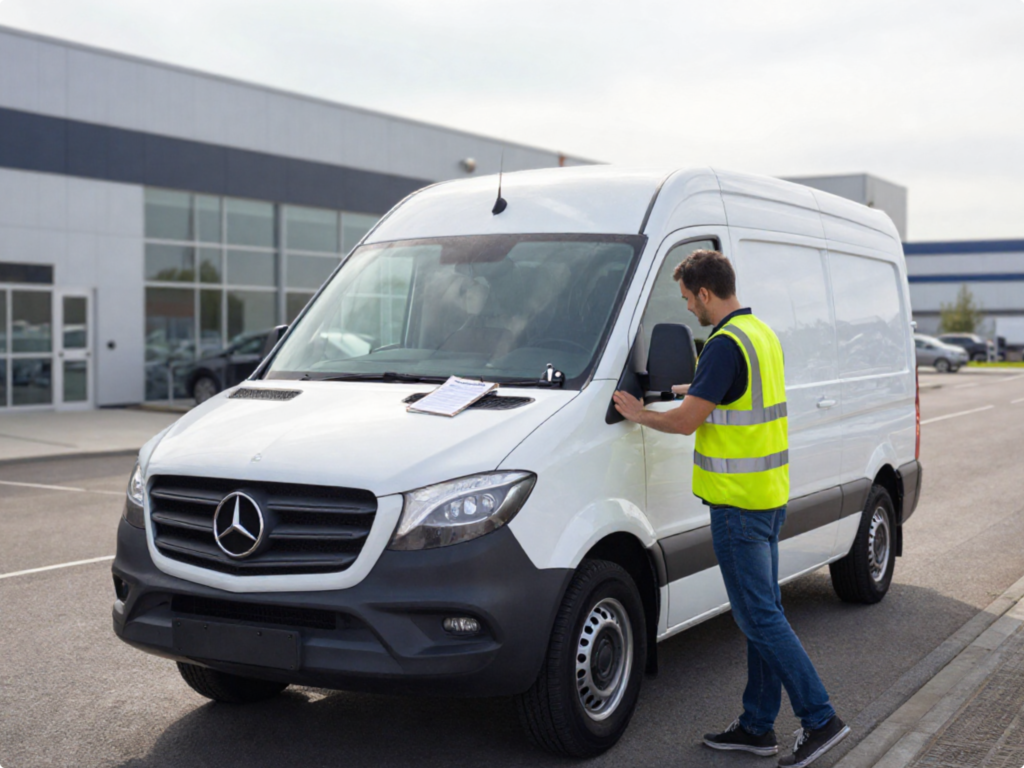
One of the most important responsibilities is ensuring the vehicle remains safe and roadworthy throughout the lease.
Drivers should regularly check:
- Tyre pressures
- Tyre tread depth
- Oil levels
- Coolant
- Brake fluid
- Windscreen washer fluid
- Lights
- Wipers
Ignoring simple maintenance can increase wear and may even become a safety issue.
Servicing Responsibilities
Most lease agreements require servicing in accordance with the manufacturer’s recommended schedule.
This usually means:
- Annual servicing
- Oil changes
- Filter replacements
- Scheduled inspections
Missing services can:
- Reduce the vehicle’s value
- Void warranty coverage
- Lead to end-of-lease charges
Always keep service records, invoices and receipts.
MOT Responsibilities
If your lease lasts longer than three years, you’ll be responsible for arranging the MOT when it becomes due.
Driving without a valid MOT is illegal and could invalidate your insurance.
Many leasing companies offer maintenance packages that include MOT testing.
Tyres
Tyres are one of the most common causes of end-of-lease charges.
Drivers should ensure:
- Legal tread depth (minimum 1.6mm across the central three-quarters of the tyre)
- Correct tyre pressures
- Matching tyre specifications where required
- Prompt replacement of damaged tyres
Budget tyres may not always meet lease agreement requirements, so always check before replacing them.
Insurance
Insurance is normally the responsibility of the person or business leasing the vehicle.
Policies should provide appropriate cover for:
- Accidental damage
- Theft
- Fire
- Third-party liability
Business users should also ensure anyone driving the vehicle is properly insured.
Keeping the Vehicle Clean
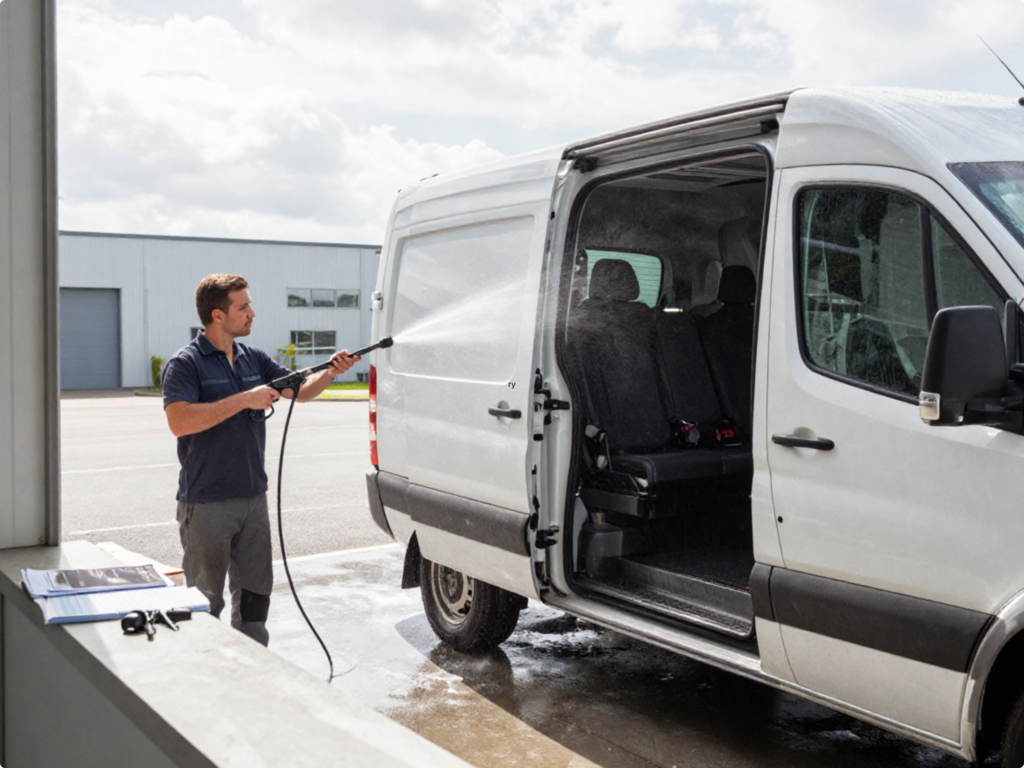
Regular cleaning protects both the paintwork and interior.
Simple habits can help preserve the vehicle’s condition:
- Wash road salt during winter
- Vacuum interiors
- Clean upholstery
- Remove stains quickly
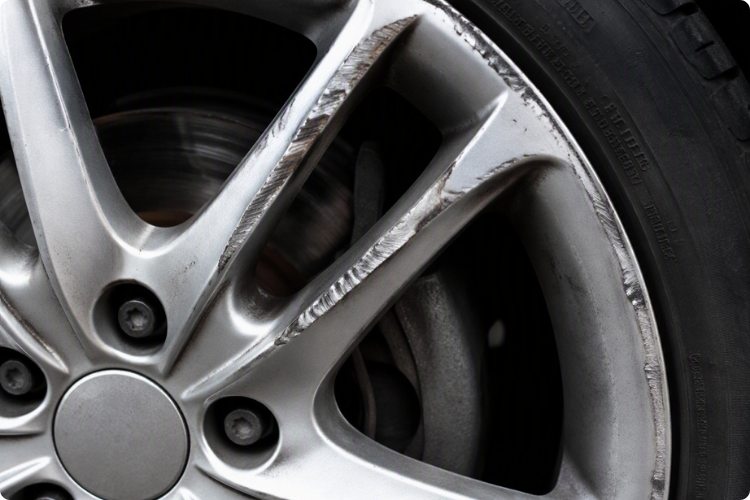
- Protect alloy wheels
Small efforts throughout the lease can reduce refurbishment costs later.
Mileage Limits
Nearly every lease agreement includes an agreed annual mileage.
Exceeding this limit usually results in excess mileage charges when the vehicle is returned.
If your driving habits change significantly during the lease, contact your leasing provider as early as possible, as some agreements can be adjusted before the contract ends.
Accidents and Damage
Accidents happen, but it’s important to follow the correct procedures.
If you’re involved in a collision:
- Ensure everyone is safe.
- Contact the emergency services if necessary.
- Exchange details with other parties.
- Inform your insurer promptly.
- Notify your leasing company if required under your agreement.
Never delay reporting significant damage, even if you intend to repair it yourself.
Windscreens and Glass Damage
Stone chips can quickly develop into cracked windscreens.
Repairing small chips promptly is often quicker and less expensive than replacing an entire windscreen.
Many insurance policies cover windscreen repairs separately.
Parking Fines, Speeding Tickets and Toll Charges
Although the leasing company owns the vehicle, the driver remains responsible for:
- Parking fines
- Speeding offences
- Bus lane penalties
- Clean Air Zone charges
- ULEZ charges
- Congestion Charges
- Toll roads
- Dart Charge crossings
If the leasing company receives a notice first, they may transfer liability and charge an administration fee.
Congestion Charges and Clean Air Zones
Businesses operating in cities should understand local charging schemes before travelling.
Drivers are responsible for paying any applicable charges where required.
Planning routes carefully can help avoid unnecessary costs.
Looking After an Electric Lease Vehicle
If you’re leasing an electric vehicle, additional responsibilities may include:
- Charging the battery correctly
- Looking after charging cables
- Maintaining battery health
- Returning all charging accessories
Missing charging cables can result in additional charges.
Can You Modify a Leased Vehicle?
Most lease agreements prohibit permanent modifications without written permission.
Examples include:
- Body kits
- Window tinting
- Performance upgrades
- Suspension modifications
- Vinyl wraps (unless approved)
Temporary accessories are usually acceptable provided they’re removed before the vehicle is returned.
Smoking and Pets
Smoking inside a leased vehicle can leave lasting odours and interior damage.
Similarly, pets may cause scratches, hair build-up or upholstery damage.
Professional valeting before returning the vehicle is often worthwhile.
Returning Your Leased Vehicle
At the end of your lease, the vehicle will be inspected.
Inspectors assess:
- Bodywork
- Paintwork
- Wheels
- Glass
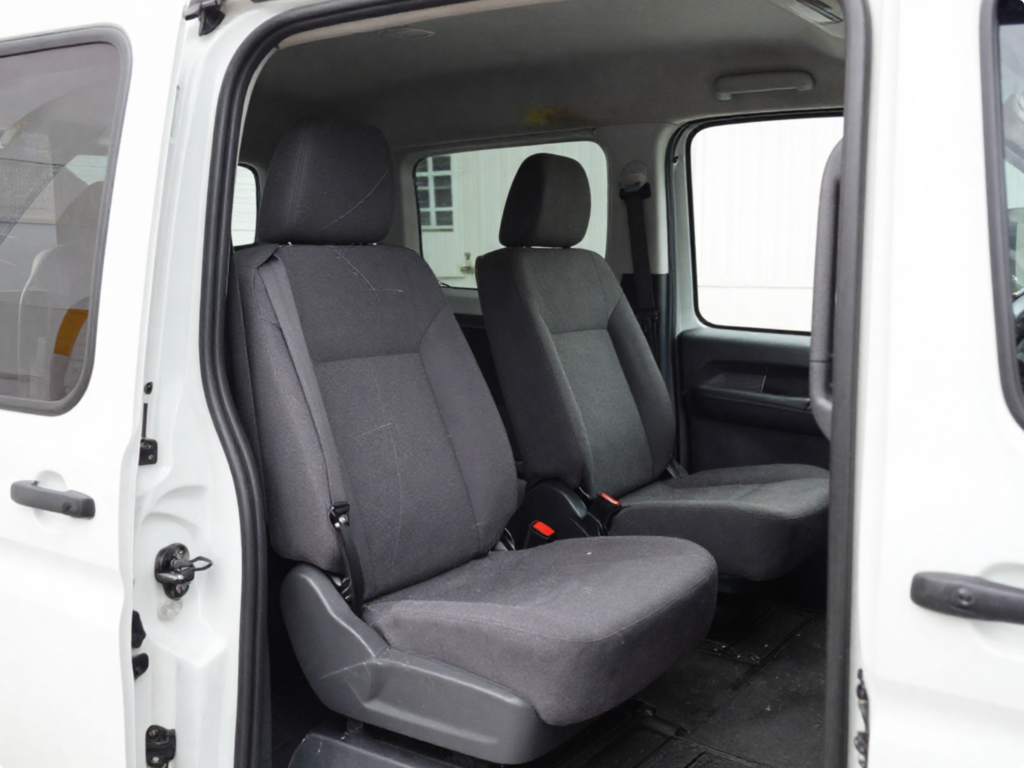
- Interior
- Service history
- Mileage
- Keys
- Documentation
The inspection is usually carried out using the industry Fair Wear and Tear standards.
What Is Fair Wear and Tear?
Fair wear and tear refers to the natural deterioration expected from normal use.
Examples include:
Usually acceptable:
- Minor stone chips
- Small surface scratches
- Light seat wear
May incur charges:
- Deep scratches
- Dents
- Cracked bumpers
- Torn upholstery
- Missing keys
- Broken trim
Looking after the vehicle throughout the lease is often far cheaper than paying refurbishment costs later.
Business Fleet Responsibilities
Businesses operating multiple leased vehicles have additional responsibilities, including:
- Monitoring servicing schedules
- Driver licence checks
- Insurance compliance
- Vehicle inspections
- Fleet maintenance
- Driver training
- Emissions compliance
Good fleet management helps reduce downtime while keeping employees safe.

Tips for Avoiding End-of-Lease Charges
- Keep up with servicing
- Check tyres regularly
- Repair minor damage promptly
- Keep the vehicle clean
- Store both keys safely
- Retain all paperwork
- Monitor your mileage
- Book a pre-return inspection if available
Stay Compliant Throughout Your Lease
Choosing the right vehicle is only the first step in a successful leasing journey. Whether you’re leasing a company car, replacing commercial vans or managing a larger fleet, selecting a reliable and suitable vehicle can help improve safety, efficiency and day-to-day operations.
The right lease agreement can also make managing your vehicles easier. From predictable monthly costs to accessing newer, more efficient models, leasing gives businesses the flexibility to keep their vehicles aligned with changing requirements.
As emissions regulations continue to evolve, many businesses are also exploring electric and low-emission vehicles to improve sustainability and prepare for future changes. Choosing a vehicle that meets your operational needs and regulatory requirements can help reduce disruption throughout the lease period.
Driver responsibility remains a key part of successful vehicle management. Ensuring vehicles are maintained correctly, servicing is completed on time, and drivers understand their obligations can help avoid unnecessary costs and keep your fleet operating efficiently.
Explore a wide range of cars, vans, pickups, electric vehicles, and commercial vehicles from leading manufacturers. Whether you need a single business vehicle or a complete fleet solution, Commercial Vehicle Contracts can help you find the right option for your requirements and budget.
Discover your next business vehicle today and enjoy a simpler, more efficient leasing experience.
Leasing is designed to make driving a newer vehicle simpler, but getting the most from your agreement depends on understanding what’s expected throughout the lease. From routine maintenance and servicing to mileage management and vehicle care, staying on top of your responsibilities can help you avoid unnecessary costs and make the return process as straightforward as possible.
Who owns a leased vehicle?
The finance or leasing company owns the vehicle throughout the lease.
Unless your agreement includes a maintenance package, servicing is usually your responsibility.
Yes, provided they are insured and your lease agreement doesn’t prohibit additional drivers.
Many lease agreements include Vehicle Excise Duty, but always check your contract.
Some agreements allow early termination, although charges may apply.
 Call our expert team on