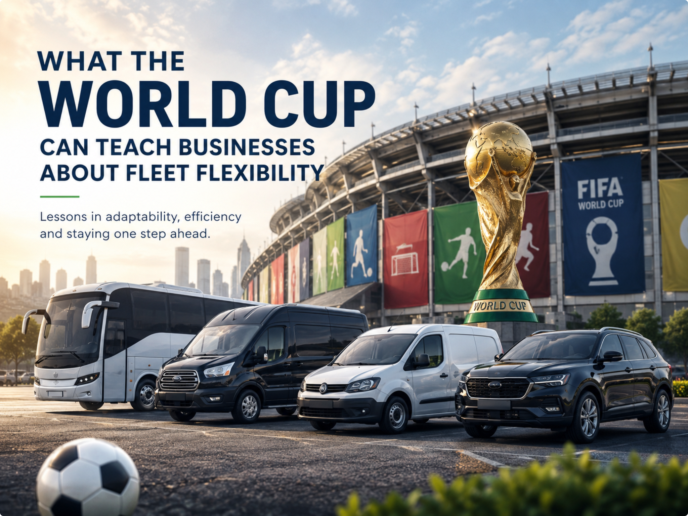
When most people think about the World Cup, they think about packed stadiums, passionate fans and unforgettable moments on the pitch.
What often goes unnoticed is the enormous logistical operation taking place behind the scenes.
From transporting teams and officials to moving media crews, sponsors, security personnel and equipment, the World Cup depends on a vast transport network operating across multiple locations. Behind every match is a carefully coordinated fleet strategy designed to keep everything moving smoothly.
Host nations must coordinate transport across multiple cities, moving teams, officials, broadcasters, sponsors and support staff between airports, training facilities, hotels and stadiums. It’s a logistical challenge that requires extensive planning and the ability to adapt quickly as tournament demands evolve.
While few businesses will ever face the scale of a global sporting tournament, the challenges involved are surprisingly familiar. Changing demand, tight schedules, operational efficiency and cost control are issues faced by organisations of all sizes.
Here are six lessons businesses can learn from the world’s biggest sporting event.

1. Demand Can Change Overnight
One of the biggest challenges facing World Cup organisers is managing fluctuating demand.
As teams progress through the tournament, travel requirements can change rapidly. Media attention increases, sponsor activity grows, and operational demands shift from one venue to another. Transport plans must be flexible enough to adapt quickly.
Businesses often face similar situations.
Consider a facilities management company that secures a nationwide contract requiring engineers to service multiple locations. Almost overnight, the business may need additional vans to support the new workload. Similarly, a construction company winning a major project or a retailer preparing for its busiest trading period may need to increase vehicle capacity quickly.
In situations like these, the ability to scale a fleet without significant upfront investment can make a meaningful difference to both operational efficiency and cash flow. Companies that are unable to respond quickly may find themselves facing operational delays or missed opportunities.
The ability to scale a fleet up or down when required can provide a significant competitive advantage.
2. Flexibility Often Matters More Than Ownership
Imagine if World Cup organisers purchased every vehicle required for the tournament outright.
The costs would be enormous, and many of those vehicles would have little use once the event was over.
Instead, major events typically rely on flexible transport solutions that allow capacity to be adjusted according to demand.
The same principle applies in business.
While ownership may suit some organisations, tying up significant capital in vehicles can reduce flexibility and limit opportunities for growth. Vehicle leasing allows businesses to access the vehicles they need without the large upfront investment associated with purchasing.
This can be particularly valuable in uncertain economic conditions, where agility is often just as important as cost control.
3. Reliability Is Critical
A vehicle breakdown during a major tournament could have serious consequences. Teams, officials and media personnel all rely on transport arriving on time and operating efficiently.
For this reason, reliability is a major consideration in large-scale transport planning.
Businesses face the same challenge every day.
Vehicle downtime can impact productivity, customer service and revenue. Older vehicles may be more prone to maintenance issues, while unexpected repair costs can place additional strain on budgets.
Maintaining access to newer, well-maintained vehicles can help reduce operational risk and improve overall fleet performance.
4. Sustainability Is Becoming a Priority
Major sporting events are increasingly focused on sustainability and reducing their environmental impact.
Transport plays a significant role in achieving these objectives. From route optimisation to the adoption of electric vehicles, organisers are under growing pressure to improve efficiency and reduce emissions.
Businesses are facing similar expectations.
Sustainability is no longer a consideration reserved for major sporting events. Many UK businesses are reviewing their fleets in response to environmental targets, clean air zones and the growing availability of electric vehicles.
Customers, employees and stakeholders are increasingly paying attention to environmental performance. Many organisations are now reviewing their vehicle fleets as part of wider sustainability strategies.
For businesses looking to transition to lower-emission vehicles, leasing can provide an effective way to access the latest technology without the long-term commitment of ownership.
5. Planning for Growth Starts Before You Need It
Successful World Cup transport operations are not built at the last minute.
They require months, and often years, of planning to ensure the right vehicles are available when needed.
The same applies to business growth.
Whether expanding into new markets, taking on additional staff or securing larger contracts, organisations that plan their fleet requirements in advance are often better positioned to seize new opportunities.
A flexible fleet strategy allows businesses to adapt as circumstances change while maintaining control over costs and operations.
6. Access to the Right Vehicle Matters
Different situations require different vehicles.
A major sporting event may require everything from team coaches and minibuses to executive transport and support vehicles. Businesses face similar decisions when balancing operational requirements, driver needs and budgets.
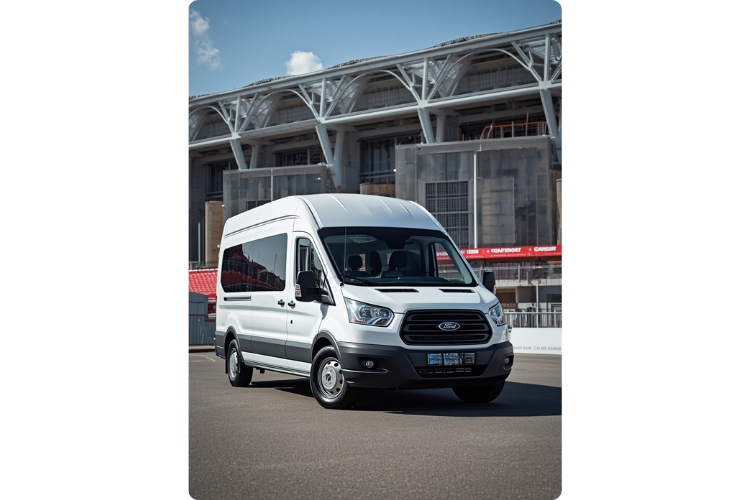
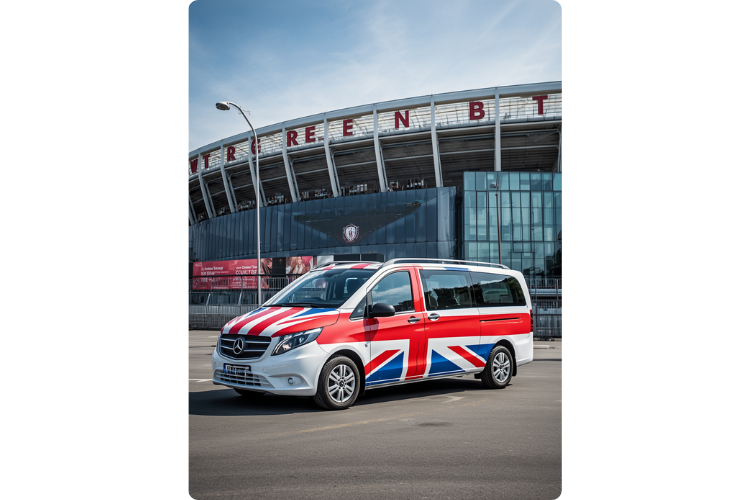
Having access to the right type of vehicle at the right time can improve efficiency, reduce costs and support business growth. Whether a business requires additional vans for a new contract, executive vehicles for client-facing roles or electric vehicles to support sustainability goals, flexible leasing arrangements can help organisations adapt their fleets as requirements evolve.

 Call our expert team on