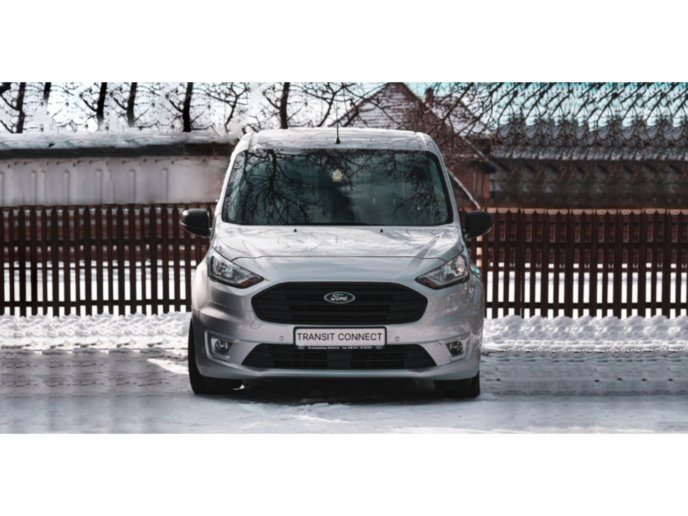
Snow is on the horizon, the wind is getting sharper, and winter driving conditions are about to test even the most experienced motorists. Picture this: you’re on a quiet country road, snowflakes start falling fast, and suddenly your car won’t start. Panic sets in—but if you’re prepared, you can handle it calmly and safely.
Vehicle breakdowns happen at any time, but in winter, they’re a different beast. Cold temperatures, icy roads, and shorter days can turn a minor inconvenience into a dangerous situation.
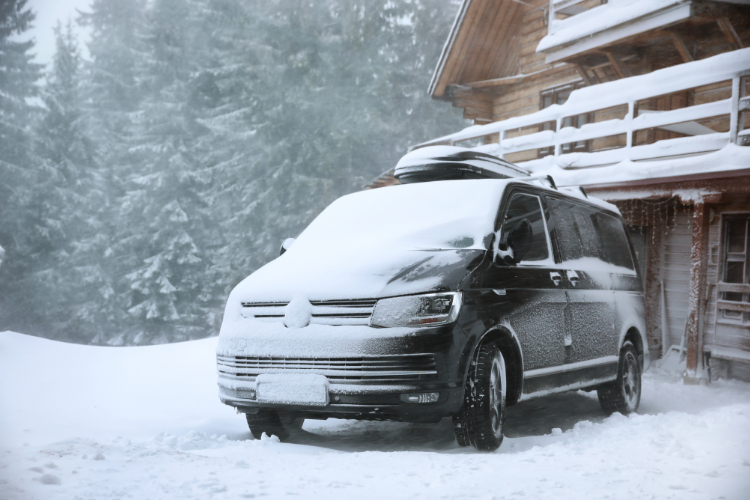
Why Winter Breakdowns Are More Serious
Winter puts your vehicle under stress. Batteries are more likely to fail, tyres lose traction, engines take longer to warm up, and icy roads increase the chance of accidents. Even a small issue—like a flat battery or frozen locks—can leave you stranded.
Conditions can worsen quickly: darkness falls early, snow accumulates fast, and icy roads make it harder for recovery services to reach you. What might be just a slight annoyance in summer can be a real safety risk in winter.
Electric Vehicles in Winter: Special Considerations
Electric vehicles (EVs) are becoming increasingly common on UK roads, but they face unique winter challenges. Cold weather can reduce battery efficiency, shorten range, and make software or sensor issues more likely. EV drivers should keep the following in mind:
- Battery depletion: Cold temperatures reduce range, increasing the risk of running out of charge.
- Software and sensor issues: EV systems rely on computer-controlled motors and batteries, which can occasionally fail in extreme cold.
- Charging challenges: A frozen or faulty charging port may prevent recharging.
- Payload and load effects: Heavy cargo in electric vans further reduces range.
- Specialist recovery: EVs often require trained technicians and flatbed trucks instead of standard towing.
Tip: Always inform your roadside assistance provider if you’re driving an EV. Many modern services carry mobile chargers to provide a temporary boost—enough to reach the nearest charging station safely.
Breakdowns Happen — Even to Prepared Drivers
No one expects their car to break down. You might have just serviced it, checked the tyres, and driven carefully. Still, winter weather is unpredictable. The key difference between a stressful ordeal and a manageable one often comes down to preparation.
A winter survival kit can help you stay safe, warm, and visible until help arrives.
What Is a Winter Survival Kit?
Think of a winter survival kit as your safety net on the road. It’s a collection of items that keep you warm, safe, and visible if your vehicle breaks down. It’s not about expecting the worst—it’s about being ready for anything winter throws at you.
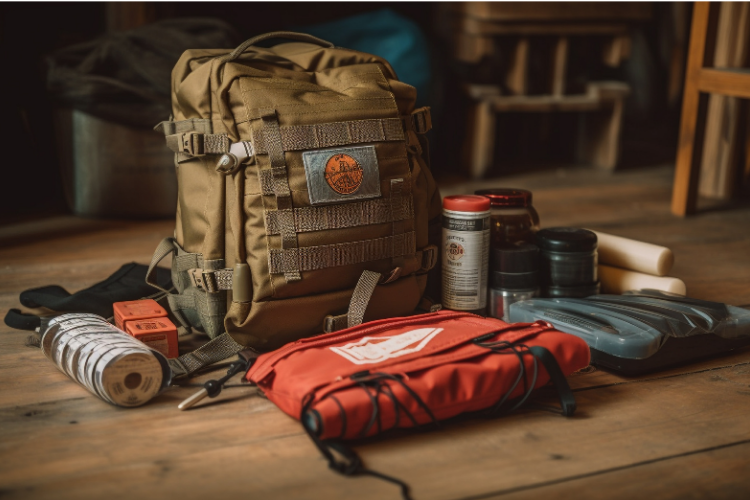
Must-Have Items for Your Winter Survival Kit
Instead of just listing items, let’s imagine how they help you:
- Warmth & Comfort
You might be sitting in a cold car waiting for help. A blanket or thermal foil blanket, extra warm clothes, and hand warmers can make the difference between discomfort and hypothermia.
- Visibility & Safety
In poor weather, being seen is just as important as staying warm. A torch, high-visibility vest, and warning triangle help other drivers notice you and keep you safe.
- Communication & Power
Your phone is your lifeline. Keep a charged power bank and a charging cable handy—because in winter, your battery can drain faster than you expect.
- Food & Hydration
Even a short wait can leave you hungry or dehydrated. Keep bottled water and energy-rich snacks like nuts, chocolate, or granola bars in your kit.
- Vehicle Basics
Ice scrapers, de-icer spray, jumper cables, tow rope, and a tyre inflator can help you fix minor issues and get moving—or at least make your car safer while you wait.
- First Aid & Personal Essentials
A basic first aid kit, essential medication, and even a small flashlight for inspecting your car can give you peace of mind.
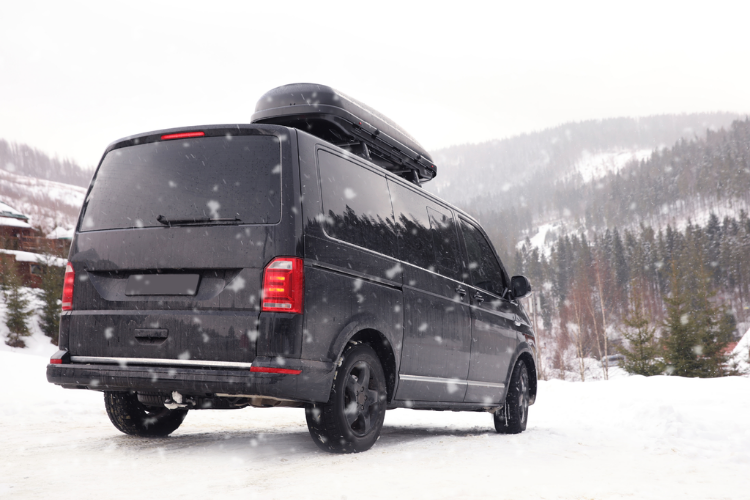
Winter Driving Dos and Don’ts
- Do check your tyres, brakes, and battery before winter sets in.
- Do plan your route and allow extra travel time.
- Do keep your fuel tank at least half full to prevent freezing fuel lines.
- Don’t take unnecessary risks on icy roads.
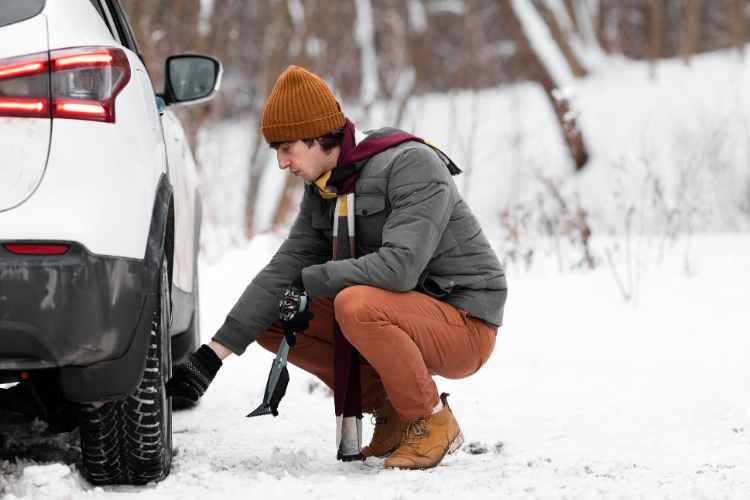
- Don’t try to push a stuck car alone—wait for help if it’s unsafe.
If You Break Down in Snow
If you do find yourself stranded:
- Stay in your vehicle if it’s safe — it’s easier for help to find you.
- Use hazard lights and warning triangles for visibility.
- Stay warm with blankets or extra clothes.
- Conserve phone battery and call for assistance promptly.
- Avoid overexertion if you try to clear snow or push the vehicle — cold + fatigue = danger.
- Keep something to pass the time, like a small book, deck of cards, or audiobook — it helps calm nerves while you wait.
- EV drivers: inform your provider so they send the right equipment—mobile charging or flatbed recovery may be required.
Quick Winter Driving Checklist
Before you hit the road this winter:
✅ Check your tyres, brakes, battery, and windshield washer fluid.
✅ Ensure your fuel tank is at least half full.
✅ Pack a winter survival kit with blankets, food, water, a torch, and jumper cables.
✅ Plan extra travel time and drive cautiously on icy roads.
✅ Keep your phone fully charged and a power bank handy.
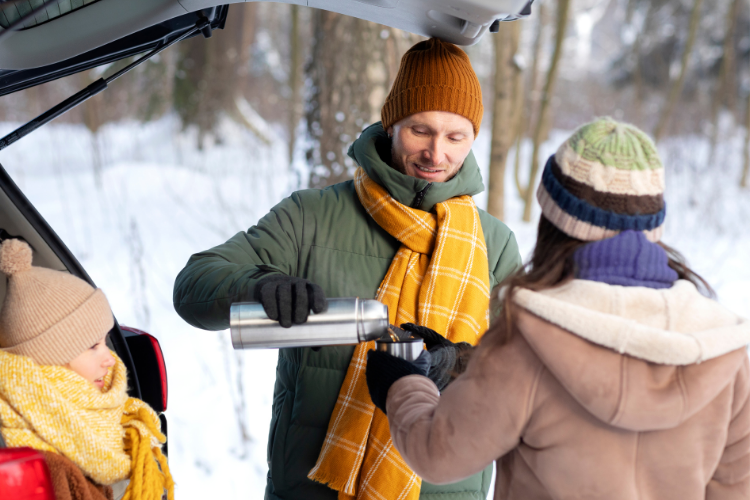
Preparation Makes Winter Safer
Winter driving can be unpredictable, but small steps make a huge difference. Think of preparation as empowering, not scary:
- A well-stocked survival kit, proper vehicle maintenance, and cautious driving turn a potential nightmare into a manageable situation.
- Remember, snow and ice don’t have to stop you — being ready lets you stay safe, calm, and in control.
Imagine this: You’re stuck on a quiet, snowy road. Thanks to your kit, a warm blanket, and some snacks, you stay comfortable while waiting for help. What could have been stressful becomes just another winter story to tell.
Before the snow falls, check your car, update your kit, and drive with confidence — winter is beautiful, but it’s always safer when you’re prepared.
 Call our expert team on