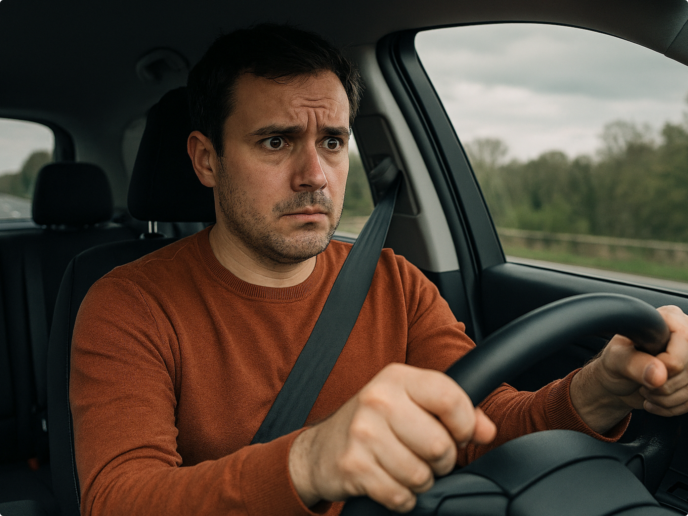
For some, driving is a symbol of independence. For others, it can feel overwhelming. Across the UK, a notable number of motorists experience anxiety when they get behind the wheel—whether it’s merging onto a motorway, navigating busy streets, or driving in poor conditions.
Recent survey findings highlight just how common this issue is, while also revealing who is most affected and why. With input from a driving psychologist, we break down the key causes of driving anxiety and explore practical ways to rebuild confidence over time.
Younger Drivers Feel the Pressure Most
Age plays a major role in how confident people feel on the road. Drivers aged 18–24 report the highest levels of anxiety, with over a third saying they feel anxious regularly. In comparison, anxiety drops sharply among older drivers, with very few over-65s experiencing it frequently.
This difference largely comes down to experience. Newer drivers are still developing their skills and tend to be more self-aware and cautious. They’re more likely to second-guess decisions or worry about making errors. Meanwhile, seasoned drivers benefit from years of exposure, allowing them to react more instinctively and with less stress.
The Most Common Driving Fears
Certain situations consistently make drivers uneasy, particularly those involving uncertainty or reduced control. The most frequently reported anxiety triggers include:
- Bad weather (62%)
- Unfamiliar routes (54%)
- Night driving (48%)
- Busy city centres (44%)
- Heavy traffic (30%)
- Motorways (25%)
- Parking (22%)
- High-speed roads (21%)
- Roundabouts (13%)
Poor weather tops the list, as conditions like rain, fog, or ice reduce visibility and traction. Similarly, unfamiliar roads and complex urban environments demand quick thinking, which can increase pressure. Motorways are another common concern—especially for less experienced drivers—due to higher speeds and multiple lanes.
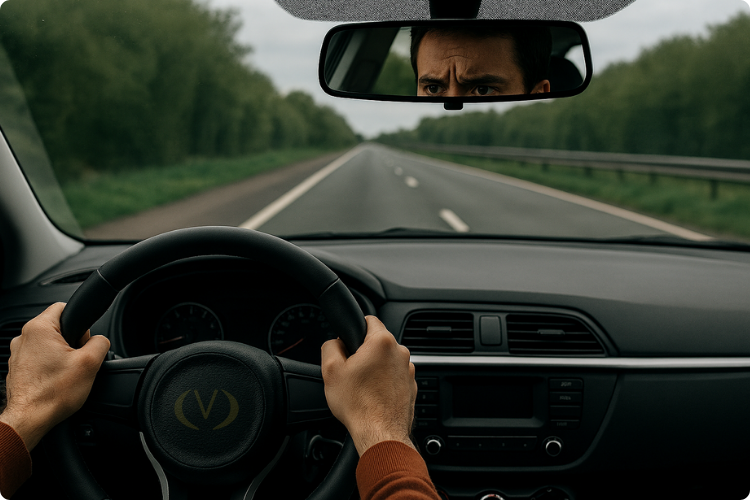
EV-Specific Fears: Range Anxiety
For drivers of electric vehicles (EVs), there’s an additional layer of concern: range anxiety—the fear of running out of battery before reaching a charging point. This can make longer journeys or driving in areas with limited charging stations particularly stressful.
Other EV-related triggers include:
- Charging logistics: Worry about where and how quickly the car can be charged.
- Battery performance: Reduced range in cold weather or when using climate control.
- Trip planning: The pressure to constantly monitor battery levels and plan around charging points.
These concerns can be managed in ways similar to other driving anxieties:
- Familiarise yourself with your EV’s typical range on everyday routes.
- Plan longer trips around available charging stations using apps or in-car navigation.
- Start with shorter journeys to build confidence, gradually extending to longer drives.
- Understand how factors like speed, terrain, and temperature affect battery life.
With knowledge, preparation, and practice, range anxiety becomes manageable, allowing EV drivers to feel confident and in control on the road.
What’s Really Behind Driving Anxiety?
Beyond specific scenarios, anxiety often stems from deeper psychological triggers. The most common include:
- Concern about other drivers’ behaviour (46%)
- Fear of being involved in an accident (38%)
- Worry about making mistakes (30%)
- General anxiety (22%)
- Feeling a lack of control (19%)
- Limited experience or confidence (13%)
A key factor is unpredictability. When drivers feel they can’t anticipate what others might do, it can trigger a stress response. This may lead to physical symptoms like a racing heart, tense muscles, or shallow breathing.
Perfectionism can also play a role, with some drivers placing high pressure on themselves to avoid errors, making even small mistakes feel significant.
How to Build Confidence Behind the Wheel
The good news is that driving anxiety can be reduced with the right approach. Experts recommend gradual, manageable steps:
- Start with familiar routes to build comfort before progressing to more challenging drives
- Use breathing techniques to stay calm and manage physical symptoms
- Change your mindset around mistakes, treating them as part of learning
- Drive during quieter times to ease into more demanding conditions
- Take refresher lessons to reinforce skills and boost confidence
For more severe anxiety, structured support such as cognitive behavioural therapy (CBT) can be highly effective.

Location Matters: Where Anxiety Is Highest
Where you drive can also influence how you feel. Drivers in London report higher-than-average anxiety levels, likely due to congestion, complex road layouts, and constant traffic pressure.
In contrast, regions like the North East tend to report lower anxiety levels, with many drivers saying they rarely feel stressed on the road. Northern Ireland also stands out for high overall confidence among drivers.
Confidence vs Anxiety: A Gender Divide
Survey results suggest a noticeable gap in confidence between men and women. Men are more likely to describe themselves as confident drivers, while women report higher levels of anxiety overall.
However, this doesn’t necessarily reflect ability. Differences in how people perceive risk, societal expectations, and how individuals report their feelings may all contribute to this divide.
Experience Builds Confidence
One of the strongest factors in reducing anxiety is time. Older drivers consistently report higher confidence levels, with many saying they rarely or never feel anxious when driving.
With experience comes familiarity—drivers learn how to handle different situations, making them feel more prepared and in control.
Drivers Want Support, Not Just Technology
Interestingly, drivers aren’t just looking for better cars to ease their worries. Many say psychological support—such as coping strategies or reassurance—is just as important.
Knowing that others share similar concerns also helps reduce feelings of isolation. While modern safety features can offer peace of mind, they don’t replace the need for personal confidence and emotional support.
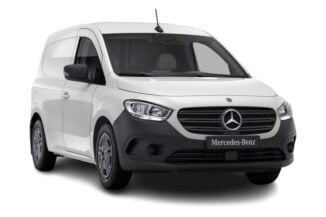
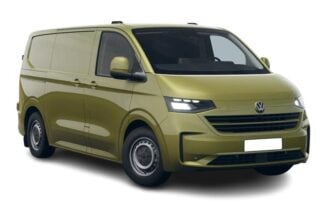
If you’re ready to regain confidence on the road, the right vehicle can make a big difference. Explore our range of cars and vans, and get a personalised quote today to find a car that suits your needs and helps you feel safer and more in control every time you drive.
After an electric car or van? We’ve got you covered.


 Call our expert team on