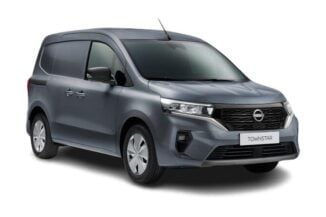
Fuel efficiency is more critical than ever for commercial vehicle operators. With rising fuel costs, tighter emissions regulations, and a growing appetite for hybrid and plug‑in technology, choosing a van or pick-up with excellent MPG—or efficient hybrid capability—can make a real difference to your running costs and environmental impact.
This comprehensive guide covers:
Why MPG matters today
How modern testing (WLTP) improves accuracy
Top fuel-efficient vans (diesel, petrol)
Notable PHEV vans and their fuel economy
PHEV pick‑up trucks and how they perform
Why fuel economy (MPG) still matters
- Running costs: Fuel remains one of the most significant operating expenses for a business‑van fleet.
- Emissions: Lower fuel consumption contributes to less CO₂ output, supporting sustainability goals.
- Productivity: Vans that go further per tank reduce the frequency of fuel stops.
- Regulatory / Tax Benefits: Fuel-efficient vehicles can help with compliance and may influence tax or lease structuring.
In short: a van that sips fuel efficiently helps your business save money, cut emissions, and run more smoothly.
Modern testing — WLTP makes MPG figures realistic
The industry has largely moved away from the older, overly optimistic tests, adopting the WLTP (Worldwide Harmonised Light Vehicle Test Procedure) for fuel-economy figures. WLTP gives more realistic, real-world-style data, making it a more trustworthy reference when comparing vans.
Top fuel‑efficient vans (Diesel / Petrol)
Here are some of the most economical vans on sale or commonly available under lease, based on the latest fuel‑economy data.
Volkswagen Caddy – 57.6mpg

The Volkswagen Caddy
Known for its efficiency, especially in diesel variants.
Citroën Berlingo and Peugeot Partner – 55.7mpg
The Citroën Berlingo and the Peugeot Partner
Compact, practical, and fuel-efficient in their 1.5-litre diesel versions.

Ford Transit Connect – 55.4mpg
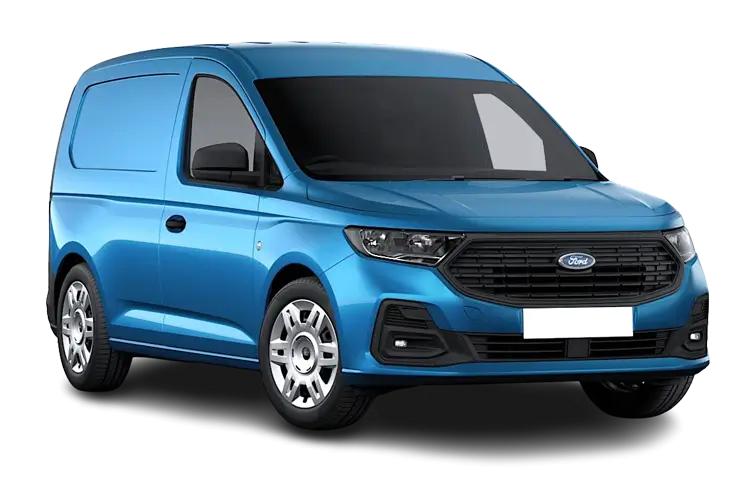
A compact workhorse with efficient petrol or diesel options.
Mercedes Citan – 54.3mpg
Offers excellent economy in its diesel‑hybrid-petrol options.

Renault Kangoo – 53.3mpg

Ford Transit Courier – 65.7mpg
A compact workhorse with efficient petrol or diesel options.

View our small van lease deals
Medium vans with the best MPG
Citroën Dispatch – 45.8mpg

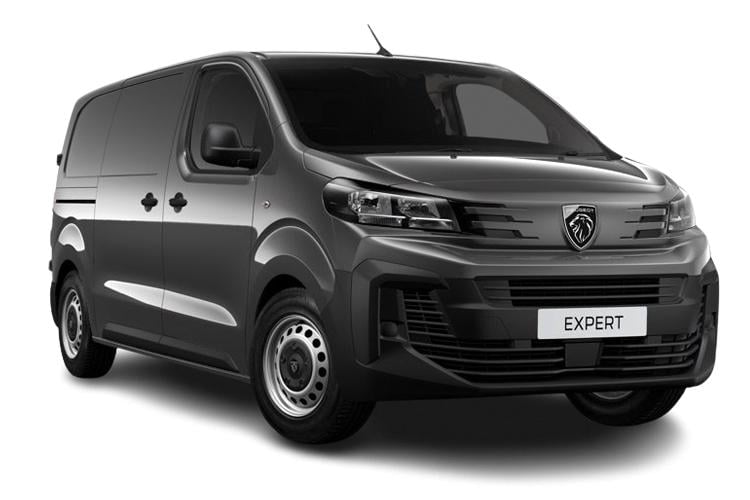
Peugeot Expert – 45.7mpg
Fiat Scudo – 44.8mpg
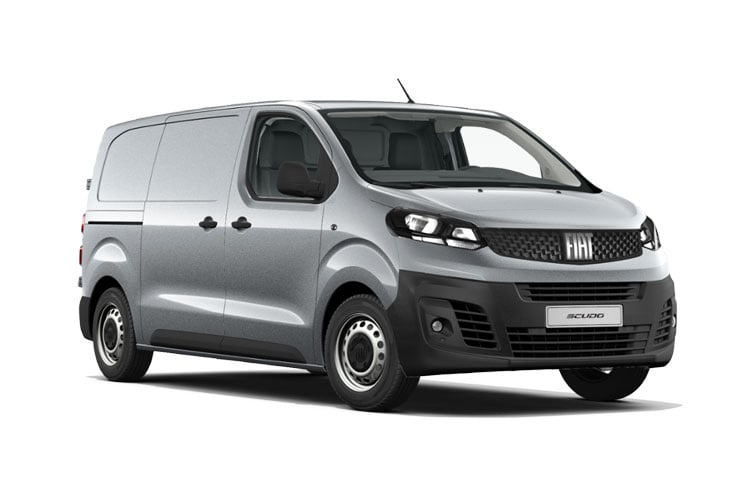
Fiat Scudo
Lower-powered diesel versions offer good fuel consumption.
Vauxhall Vivaro – 42.8mpg

Ford Transit Custom – 40.9mpg

Ford Transit Custom
Efficient EcoBlue engines with modern tuning.
Renault Trafic – 40.9mpg
The 2.0 dCi variants deliver a good balance of power and economy.

View our medium van lease deals
Most economical large vans
Ford Transit – 43.5mpg
Still one of the most efficient large vans, thanks to optimised diesel engines.

Fiat Ducato – 34.4mpg
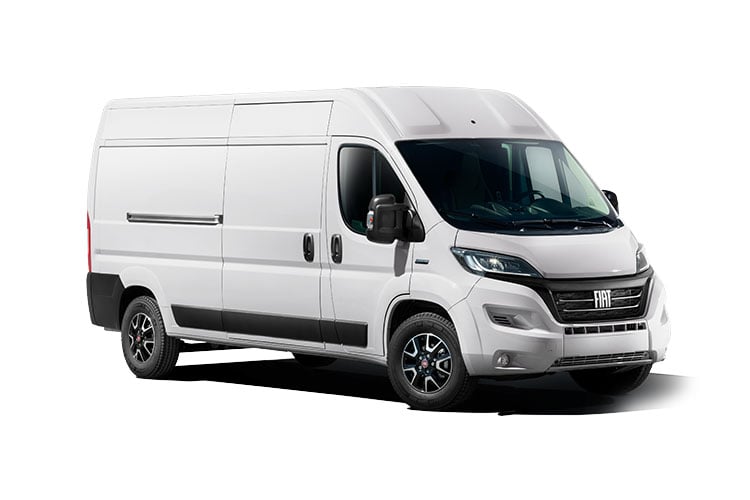
Fiat Ducato
The 2.3-litre Multijet diesel range offers strong fuel economy.
Mercedes Sprinter, Peugeot Boxer & Citroën Relay – 32.8mpg
Mercedes Sprinter, Peugeot Boxer, and Citroën Relay.
High-capacity large vans that perform well in economy terms.

Renault Master – 32.5mpg

Especially efficient in front‑wheel‑drive diesel models.
4. Vauxhall Movano – 32.3mpg

View our large van lease deals
PHEV vans: Plug-In Hybrids
Especially efficient in front‑wheel‑drive diesel models.
Discover the best economical pick-up trucks
While pick-up trucks excel in various aspects, fuel economy is not typically one of their strong suits. This is primarily because other engineering priorities come before fuel efficiency in trucks.
Ford Ranger – 40.9mpg

Durable and capable pickup with excellent fuel economy and all-terrain performance
Toyota Hilux – 40.4mpg
One of the most economical and rugged pick-up trucks.

KGM Musso – 35mpg

Robust and dependable diesel pick-up with strong towing capacity and off-road readiness, designed for both work and adventure.
Volkswagen Amarok – 34mpg
Powerful and reliable diesel pick-up, delivering excellent
towing capability and confident performance on- and off-road.

PHEV pick‑up trucks
Ford Ranger PHEV
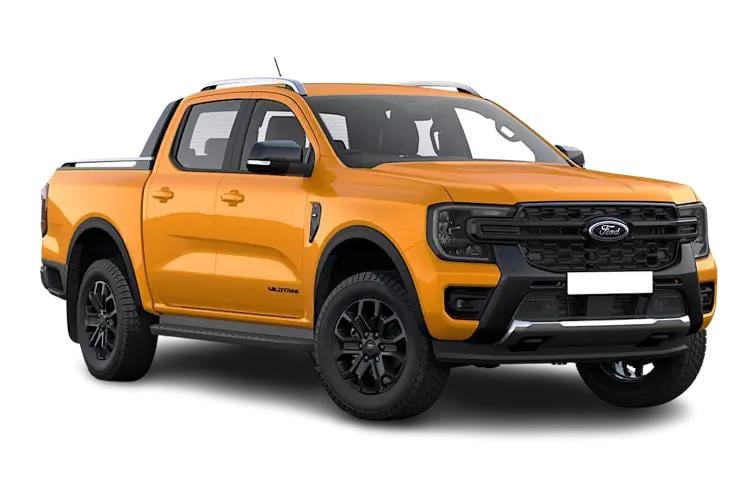
High-efficiency plug-in hybrid with strong towing and versatile off-road capability. Fuel economy (combined WLTP) up to 94 mpg when primarily using electric assistance.
Electric pick‑up trucks
Maxus T90 EV
The Maxus T90 EV stands out as a highly desirable electric pick-up
With a combined WLTP range: 205 miles

Pros & Cons of PHEVs for business use
Pros:
- Significant fuel savings with regular charging.
- Reduced emissions for short urban trips.
- Operational flexibility with petrol range for longer journeys.
- Versatile for mixed urban/rural work.
- Powerful and responsive under load.
Cons:
- Charging is essential to realise MPG benefits.
- More complex, potentially higher long-term maintenance costs.
- Higher upfront purchase cost.
- Real-world fuel economy depends on battery use.
- Battery weight can reduce payload slightly.
Tips to improve fuel economy in vans
Choosing a van with high mpg is important, but so is avoiding behaviours that can increase fuel consumption. Here are some tips to help you save fuel and reduce costs:
- Keep the engine in its optimal condition by regularly servicing and replacing air filters, spark plugs, and fuel injectors.
- Drive smoothly and avoid unnecessary acceleration or braking.
- Maintain proper tyre pressure – underinflated tyres can increase fuel usage.
- Reduce vehicle weight by removing unnecessary cargo or equipment.
- Plan routes to minimise idling and avoid traffic congestion.
- Consider using eco-driving techniques, such as anticipating traffic flow and avoiding high speeds.
How to make the right choice for your business
- Daily mileage: Determine average daily distance.
- Charging access: Ensure consistent PHEV charging is available.
- Payload / operational demands: Match van size and weight capacity.
- Budget: Consider the total cost of ownership: fuel, charging, maintenance, and depreciation.
- Sustainability goals: Factor in emissions reduction targets.
- Future growth: Plan for anticipated changes in fleet size or usage.
PHEVs may be ideal if you can charge regularly and value electric driving. Efficient diesel vans still make sense for long-distance or heavy-load operations.
Conclusion
Fuel economy is a critical factor for van and pick-up choice. Diesel and petrol options remain practical, while PHEVs offer lower fuel costs, reduced emissions, and operational flexibility when used correctly. Choosing the right vehicle requires careful consideration of routes, mileage, payload, and business goals.
A strategic choice of van can save money, improve efficiency, and support sustainability while keeping your operations running smoothly.
Our experts can provide guidance to identify the most cost-effective and fuel-efficient vehicles for your business.
 Call our expert team: