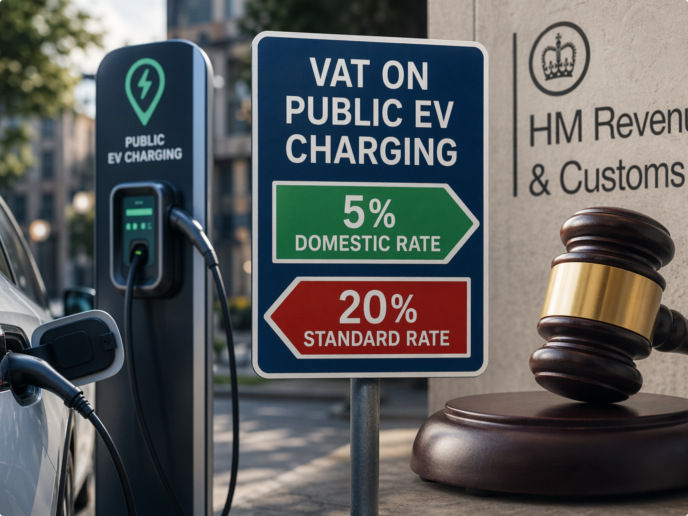
HMRC has confirmed it will contest a recent court decision that suggested electric vehicle (EV) charging on public networks could qualify for the lower 5% domestic VAT rate.
The case was brought by community charging provider Charge My Street, which argued that the current 20% VAT applied to public charging is unfair. Backed by tax specialists from Deloitte, the company won its case at the First-tier Tribunal in February.
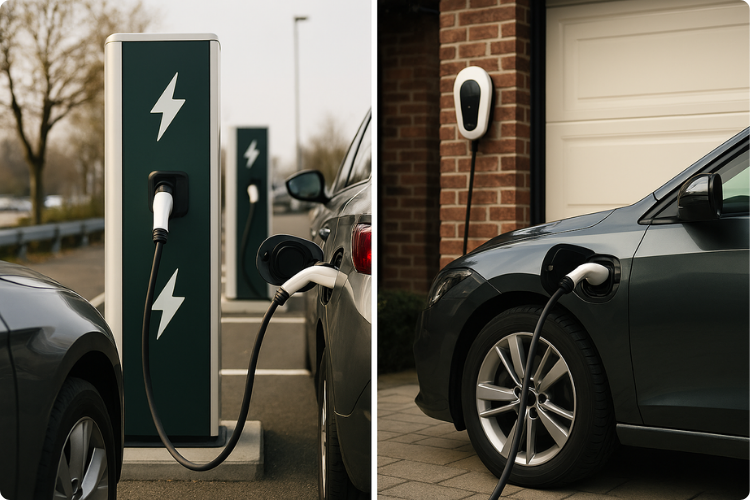
The ruling raised hopes for EV drivers who depend on public charging infrastructure—particularly those without driveways or private parking—who currently face significantly higher costs than those charging at home. Domestic electricity is taxed at just 5%, meaning public users effectively pay four times more in VAT.
However, HMRC has made it clear it disagrees with the outcome. A spokesperson stated that the government maintains electricity supplied through public charging points should continue to be taxed at the standard 20% rate.
The VAT gap is financially significant. Estimates suggest it generates around £85 million annually for the Treasury, with projections rising to £315 million by 2030.
Interestingly, the appeal comes alongside government pledges to improve EV accessibility. Ministers recently announced plans to introduce new rules aimed at helping households without off-street parking charge vehicles more easily. These include proposals for pavement-crossing solutions and broader permitted development rights for installing charging infrastructure. A consultation is also underway on building regulation changes and a proposed “Ability to Charge” standard.
According to the English Housing Survey, roughly eight million households in England—about 32%—lack access to off-street parking, highlighting the scale of the issue.
Industry leaders have reacted critically to HMRC’s decision. Representatives argue that appealing the ruling undermines efforts to make EV adoption more equitable, particularly for urban residents, renters, and lower-income households who rely on public charging.
The original tribunal decision centred on existing VAT rules, which allow electricity supplied under 1,000kWh per month at a single premises to qualify as domestic use. Deloitte argued that most EV drivers using public chargers would fall well below this threshold, meaning the lower rate should apply.
The tribunal agreed, ruling that under these conditions, public EV charging could be treated as domestic consumption. This interpretation was rejected by HMRC, prompting the appeal.
The potential VAT reduction had also been seen as a boost for the charging industry, where many operators are currently unprofitable. Lower tax rates could improve affordability for drivers and encourage greater use of public networks, strengthening the business case for infrastructure investment.
With HMRC now appealing the decision, the tribunal’s ruling will not be implemented unless the appeal fails, leaving the current 20% VAT rate in place for now.
After a new car or van? Explore our extensive range of electric cars and vans available for lease. Request your quick quote online here
Speak to our team today to find the right solution for your needs and see how Commercial Vehicle Contracts can drive your business forward.


 Call our expert team on