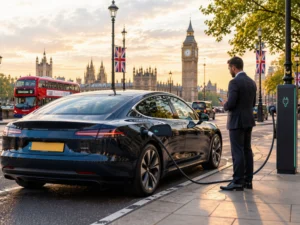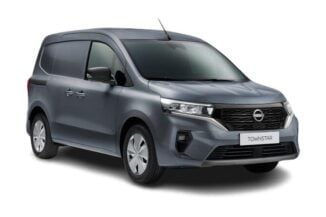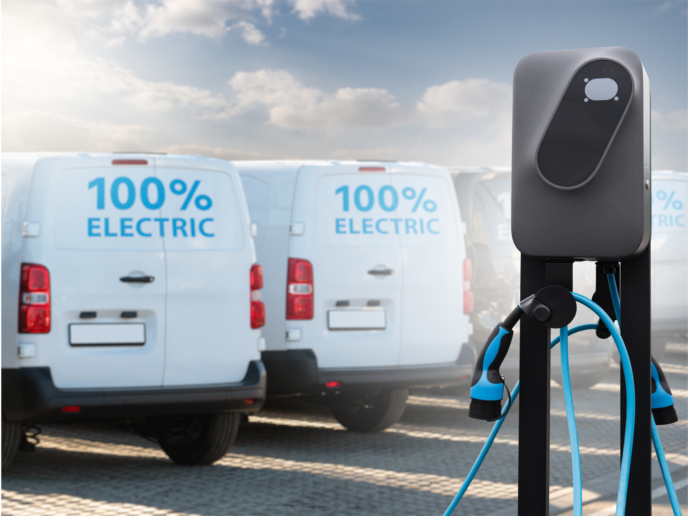
The shift toward electric vehicles (EVs) is accelerating across the business landscape. Companies are increasingly exploring EVs not just for environmental reasons, but also to improve efficiency, manage long-term costs, and align with sustainability commitments. According to the 2025 Electric Vehicle Barometer by Europcar Mobility Group UK, more businesses are now confident in their ability to adopt EVs, with fewer barriers standing in the way than in previous years.
While challenges remain, including cost and infrastructure concerns, the overall sentiment indicates that EV adoption is no longer just a niche initiative—it’s becoming a strategic business priority.
Why Businesses Are Gaining Confidence in EVs
Data from 2025 shows that 21% of employees believe none of the common barriers prevents their organisation from switching to electric vehicles—a significant increase from 11% in 2024. Businesses are feeling more confident due to several converging factors:
- Hands-On Experience Reduces Hesitation: Businesses that allow employees to trial EVs report that initial concerns—about range, performance, or reliability—quickly fade when drivers experience the vehicles firsthand.
- Expansion of Charging Infrastructure: Public, depot, and workplace chargers are more accessible than ever. Companies can plan strategically to ensure their fleets remain fully operational, with minimal downtime.
- Increasing Vehicle Variety: From compact urban vans to executive cars, the market now offers a wider selection of EVs to suit diverse business needs. This flexibility makes it easier for companies to integrate electric vehicles without compromising operational requirements.
- Government Incentives and Grants: Financial support, including tax breaks and grants, is helping companies reduce the upfront investment associated with EVs, making them a more feasible option for businesses of all sizes.
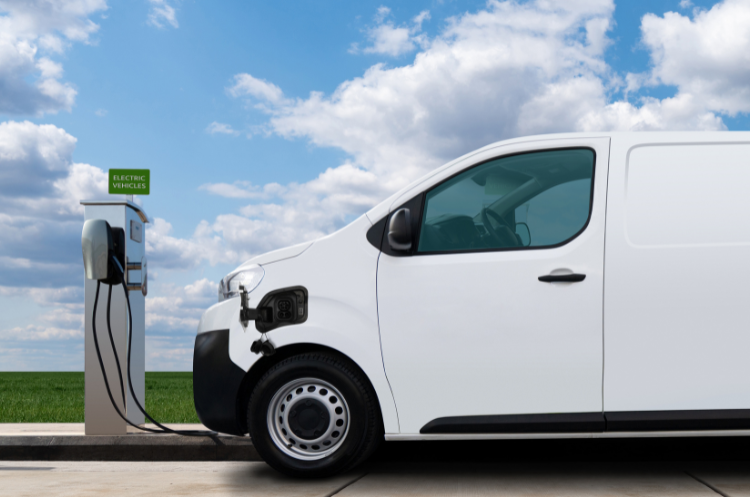
Overcoming Charging and Knowledge Challenges
While charging infrastructure and awareness have traditionally been obstacles, these challenges are steadily declining:
- Only 29% of employees reported that charging infrastructure holds back adoption, down from over a third in 2024.
- The percentage of employees citing lack of knowledge as a barrier fell to 16.8%, compared with 20% in the previous year.
This indicates that training programs, access to information, and real-world experience with EVs are helping fleets feel more confident. Businesses that provide driver education and practical trials are more likely to see faster adoption rates.
Addressing Cost Concerns
Cost remains the most commonly cited barrier, with 38% of employees highlighting purchase price or operational expenses as an obstacle. However, understanding the total cost of ownership (TCO) often changes the perspective:
- Lower Fuel Costs: EVs are significantly cheaper to operate per mile compared to petrol or diesel vehicles.
- Reduced Maintenance: Fewer moving parts mean lower servicing needs and fewer breakdowns.
- Incentives and Grants: Many governments offer support schemes to offset upfront costs.
- Operational Efficiency Gains: Smart route planning and energy-efficient driving further reduce expenses.
By leveraging trial programs, leasing, or phased adoption, businesses can mitigate the financial impact while evaluating the practical benefits of electric vehicles.
Tailored Insights for Different Fleet Types
Commercial Vehicle (Van) Fleets
For businesses relying on vans and light commercial vehicles, EV adoption comes with specific operational requirements:
- Route Analysis: Understanding delivery distances, payload requirements, and stop frequency helps determine the right electric van for your operations.
- Depot Charging Planning: Installing chargers at key locations ensures vehicles are ready for early departures, maintaining delivery schedules.
- Operational Cost Considerations: While upfront costs may be higher, reduced energy usage and maintenance lead to long-term savings.
- Pilot Programs and Trial Rentals: Testing vehicles in real-world conditions helps fleet managers make informed decisions before fully transitioning to electric.
Businesses that approach commercial EV adoption strategically can maintain operational efficiency while reducing emissions and energy costs.
Car Fleets
Passenger car fleets—including company cars for executives, sales teams, and client transport—have different priorities:
- Driver Comfort and Satisfaction: Quiet, smooth-driving EVs improve employee experience and satisfaction, enhancing retention and morale.
- Flexible Charging Access: Combining office, public, and home charging options ensures reliable mobility for business trips.
- Long-Term Cost Benefits: Reduced fuel and maintenance expenses can offset initial purchase prices over the vehicle’s lifespan.
- Sustainability Impact: Electric cars support environmental reporting and corporate ESG goals, enhancing brand perception with stakeholders and clients.
By integrating EVs strategically, companies can deliver cost efficiencies while meeting both operational and sustainability objectives.
The Broader Business Impact
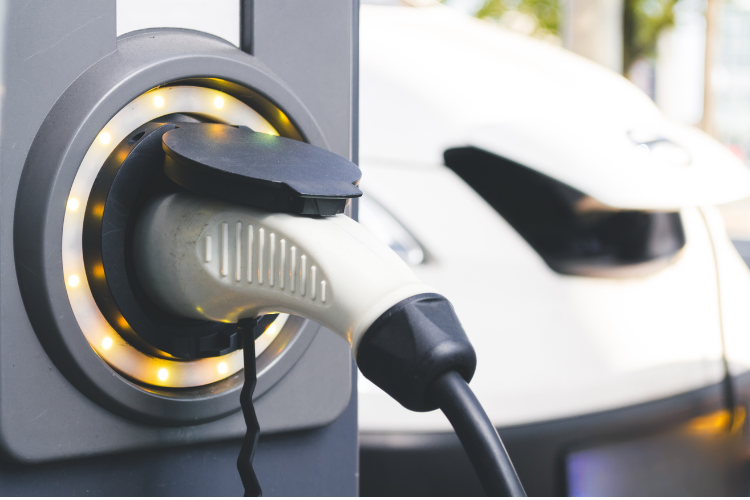
Transitioning to electric fleets is not just about vehicles—it represents a wider shift in how businesses approach sustainability and operational efficiency:
- Corporate Reputation: Companies adopting EVs demonstrate leadership in sustainability, appealing to environmentally conscious clients, partners, and investors.
- Employee Engagement: Modern EV fleets can improve driver satisfaction and encourage a culture of innovation and sustainability.
- Regulatory Preparedness: With stricter emissions regulations on the horizon, early adoption positions businesses ahead of compliance requirements.
- Operational Insights: Monitoring energy use, route efficiency, and fleet performance provides valuable data to optimise future fleet decisions.

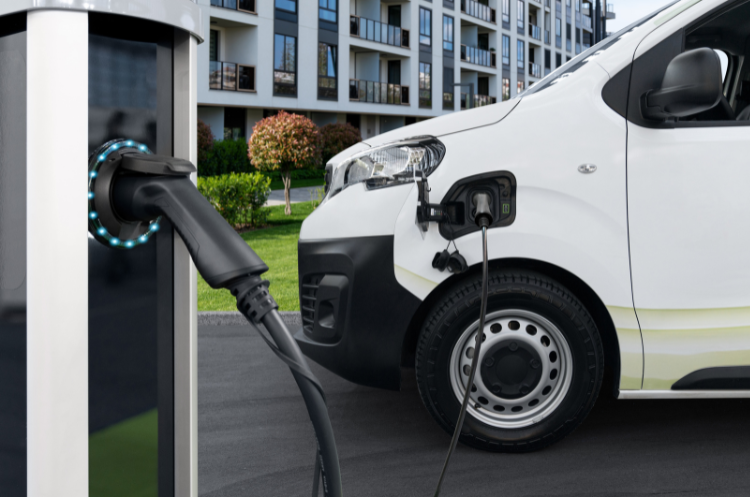
With advances in battery technology and more affordable models than ever, there’s never been a better time to go electric.
Don’t forget to check out our latest EV specials and other Hot Deals
 Lower running costs – Save on fuel, tax, and maintenance
 Call our expert team on