As electric vehicles (EVs) — including cars and commercial vans — become increasingly common on UK roads, drivers and fleet operators are naturally asking: what happens if my EV breaks down?
While electric vehicles are generally reliable, they still experience issues, and handling a breakdown is very different from a petrol or diesel vehicle. EVs have high-voltage battery systems and sensitive electric motors, so both drivers and roadside assistance providers need to take extra precautions.
Why Electric Vehicle Breakdowns Require Specialist Recovery
Recovery services have had to adapt as more EVs appear on the road. Modern recovery teams now need:
- High-voltage safety training for technicians
- Insulated tools and equipment to safely interact with batteries
- Specialist lifting and flatbed trucks, particularly for larger electric vans
Electric vans are heavier and carry larger battery packs than cars, which adds extra complexity to recovery. Unlike traditional vehicles, EVs cannot always be towed or jumped-started in the same way, meaning specialised procedures are often required.
Common Causes of Electric Vehicle Breakdowns
While EVs have fewer moving parts than petrol or diesel vehicles, breakdowns can still occur. The most common reasons include:
- Battery depletion: Running out of charge remains the leading cause, especially if drivers misjudge their remaining range or cannot find a nearby charger.
- Software faults: Many EV systems are computer-controlled, so a software bug can prevent the vehicle from starting or driving.
- Sensor or system communication errors: If sensors fail or the battery and motor systems cannot communicate correctly, the car or van may become immobilised.
- Charging port or charging system failures: A faulty charger connection can leave your vehicle stranded even with some charge remaining.
- Payload and load effects: For electric vans, heavy cargo reduces range significantly, increasing the chance of running out of charge on longer trips.
- Weather conditions: Cold temperatures can reduce battery efficiency, especially during winter months, making breakdowns more likely.
Understanding these risks helps drivers prepare for potential issues before they occur.
What Should You Do If Your Electric Vehicle Breaks Down?
The immediate steps are similar to any vehicle breakdown:
- Move to a safe location away from moving traffic, if possible.
- Switch on your hazard lights to alert other road users.
- Stay in a safe area while waiting for help, particularly if you are on a busy road.
Most EV breakdowns are due to running out of charge. Modern EVs give multiple warnings as battery levels drop, but sometimes drivers miscalculate remaining range or cannot find an available charging station, especially in rural areas.
Once you’ve secured yourself and the vehicle, contact your breakdown provider and inform them that you are driving an electric vehicle so the right equipment and support can be sent.
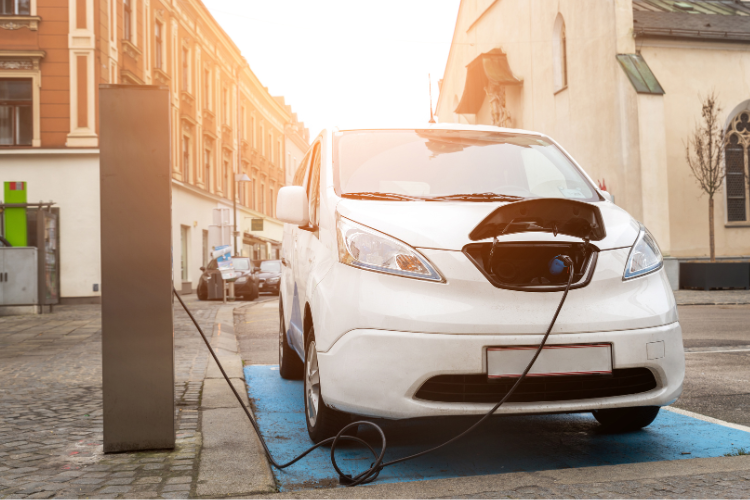
Can Roadside Assistance Recharge an Electric Vehicle?
Yes, in most cases. Many modern roadside assistance services carry mobile charging units or generators to provide a temporary boost.
- What they do: Give enough charge to reach the nearest proper charging station.
- What they don’t do: Fully recharge your battery at the roadside — this would take too long and is not practical for recovery teams.
This is particularly useful for electric vans that may need extra range to reach a depot or charging facilities.
Can an Electric Vehicle Be Towed?
Towing an electric vehicle is not as straightforward as a petrol or diesel vehicle:
- Most EVs do not have a true neutral gear, so towing with wheels on the ground can generate kinetic energy that feeds back into the battery, potentially causing damage.
- Some EVs, including Tesla models and the Nissan Leaf, have a dedicated tow mode to allow safe movement.
- The safest method is usually transporting the vehicle on a flatbed truck, following manufacturer guidance.
For electric vans, towing is even more complicated due to heavier weight and larger battery packs, which may require specialised flatbeds or lifting equipment.
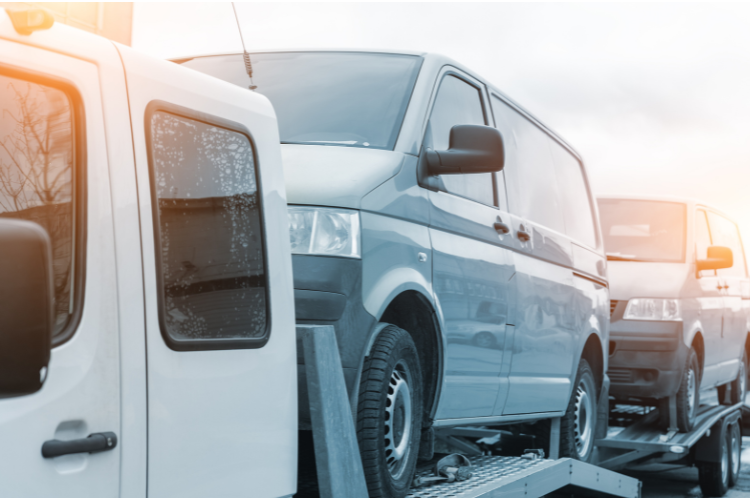
Why Recovering Electric Vehicles Is More Complicated
Beyond towing, EV recovery is more complex than conventional vehicles because:
- High-voltage batteries must often be isolated before recovery to prevent accidents.
- Roadside repairs are rarely possible without specialised tools and training.
- Weight and legal limits for vans can restrict recovery options, meaning some vehicles must be transported using specialist trucks.
- Following manufacturer guidelines is essential to avoid battery or drivetrain damage.
This is why it is vital to let your breakdown provider know you have an electric vehicle, so they send the right support.
How to Reduce the Risk of an Electric Vehicle Breakdown
Planning ahead is key, especially for electric vans or long journeys. Some best practices include:
- Route planning with live charger availability: Use apps or in-vehicle navigation to find real-time charging stations.
- Know your real-world range: Manufacturer figures are estimates; driving style, speed, terrain, payload, and weather all affect range.
- Regular software updates: Updates often fix bugs, improve battery efficiency, and enhance charging management.
- Monitor payloads for vans: Heavy cargo can dramatically reduce range — factor this into planning.
- Consider seasonal effects: Cold weather reduces battery efficiency, so allow extra time and energy during winter journeys.
By preparing ahead, drivers can reduce the likelihood of being stranded.
Are Electric Vehicle Batteries Safe After a Breakdown?
If the vehicle has simply run out of charge, the battery should remain perfectly safe. Once recharged, the vehicle should function normally.
However, if the breakdown follows an accident or collision:
- EVs carry a fire risk, just like petrol or diesel vehicles.
- Emergency services and recovery teams monitor damaged EVs closely to manage hazards.
- Only trained personnel should inspect or move a damaged EV to prevent electrical or fire risks.
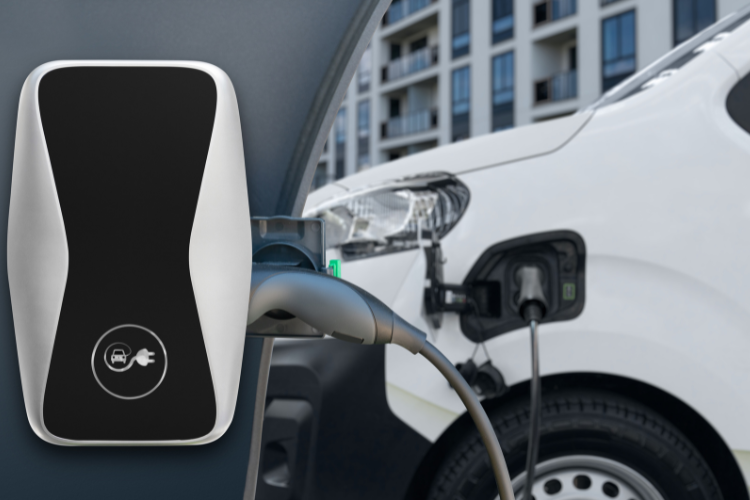
What Happens After Your Electric Vehicle Is Recovered?
After recovery, the next steps depend on the cause:
- Battery depletion: The vehicle can be driven or transported to the nearest charging point.
- Faults or accidents: Vehicles often require diagnostic checks using manufacturer-approved software to identify and fix issues.
- EVs are usually taken to approved service centres rather than general garages.
- For businesses running electric vans, downtime can be costly, so planning routes and recovery options in advance is critical.
Maintenance Packages and Manufacturer Warranty for Electric Vehicles
One of the advantages of electric vehicles is that they generally require less regular maintenance than petrol or diesel vehicles. With fewer moving parts, no oil changes, and simpler braking systems due to regenerative braking, EVs can save both time and money over the long term.
Most manufacturers offer comprehensive warranties for electric vehicles. These typically cover:
- The high-voltage battery lasts for 8 years or more (often up to 100,000 miles)
- The electric motor and drivetrain components
- Standard vehicle parts and electronics under the usual warranty period
In addition, many electric vehicle owners, particularly fleet operators, can take out optional maintenance contracts.
These packages can cover:
- Scheduled servicing and inspections
- Brake and tyre replacement
- Software updates and system checks
- Roadside assistance for battery-related issues
For electric vans, maintenance packages can be particularly valuable for fleet operators, as they help reduce downtime and ensure vehicles remain safe and reliable. Always check the details of your warranty and any maintenance package to understand what is included, especially when it comes to high-voltage battery care, charging systems, and roadside recovery.
Investing in the right maintenance package and understanding your manufacturer’s warranty ensures that your electric vehicle remains in peak condition, giving you peace of mind whether you drive a car or operate a fleet of vans.
Not sure what the difference is between a maintained agreement and a manufacturer’s warranty?
Understanding these two types of cover is essential when choosing the right lease for your business. A maintained agreement looks after your vehicle’s routine servicing, tyres, MOTs and wear-and-tear repairs, while a manufacturer’s warranty covers faults caused by defects in materials or workmanship. If you’d like a clear, detailed breakdown of how they compare — and what each one includes — you can read our blog titled: ‘Maintenance vs Warranty: What’s the difference?’.
Why lease with Commercial Vehicle Contracts?
Leasing is the smart financial strategy for accessing a brand-new, high-spec vehicle without the capital outlay.
We also leverage long-standing relationships with dealers to secure competitive pricing, ensuring your business gets the best deal possible.
Reach out to our team to discuss your requirements today and learn how Commercial Vehicle Contracts can help fuel the success of your business.
Find the perfect lease deal today!
With an impressive average score of 4.9 stars on Trustpilot, we believe our reviews reflect our commitment to customer service. Our knowledgeable team provides expert advice and guidance to help you choose the perfect vehicle and finance product for your needs.
With our extensive range of vans available for lease, you’re guaranteed to find the perfect vehicle to meet your needs. As proud members of the British Vehicle Rental and Leasing Association (BVRLA), we uphold the highest standards of service and professionalism. Plus, with our Price Promise, you can be confident you’re getting the best deal available. Rest assured, we are also authorised and regulated by the Financial Conduct Authority (FCA), ensuring transparency and trust in every transaction.
Many UK businesses have already benefited from our hassle-free approach to securing a brand-new van, and now it’s your turn to take advantage of our exceptional services.
 Call our expert team on